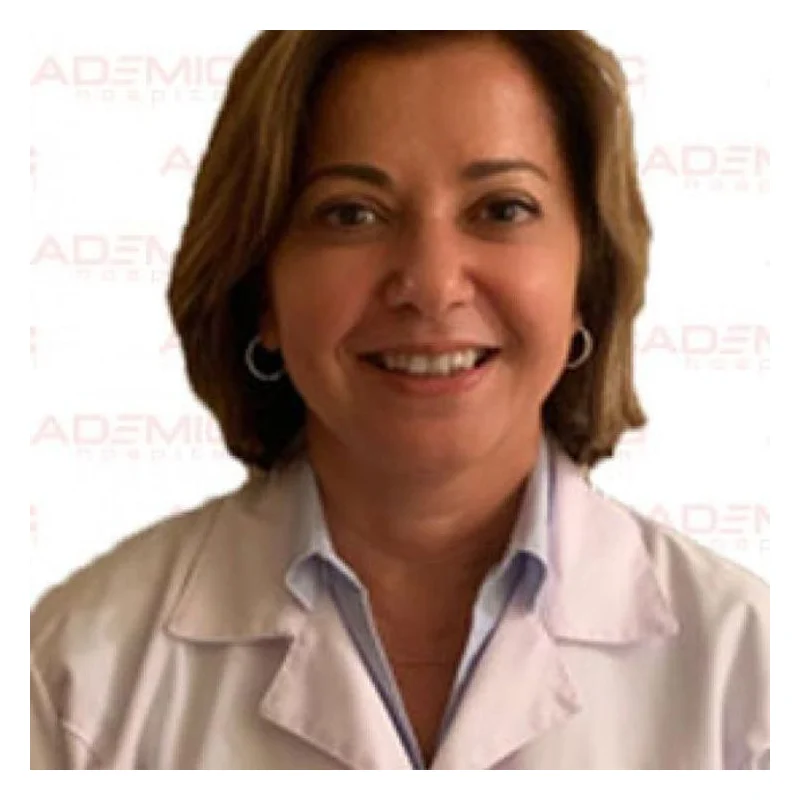
Dr. Miver Erem Tokuş
NeurosurgeryVerified
- 24+years exp.
English · Turkish
FromPrice on request
Free quote
60 seconds · no obligationView Profile
Facial palsy is a neurological condition involving weakness or paralysis of the muscles on one or both sides of the face. Patients typically consult clinicians after noticing facial drooping, difficulty closing an eye, or impaired speech and eating. Suitable treatment options, which may range from medical therapy to surgical reanimation, depend on a thorough specialist assessment. Compare hospitals in Turkey that treat Facial Palsy and get a free review of your medical records.

1 doctor Compare doctors, ratings and prices — ask any of them for a free quote.
NeurosurgeryVerified
English · Turkish
60 seconds · no obligationView Profile
Facial palsy is a neurological condition involving weakness or paralysis of the muscles on one or both sides of the face. Patients typically consult clinicians after noticing facial drooping, difficulty closing an eye, or impaired speech and eating. Suitable treatment options, which may range from medical therapy to surgical reanimation, depend on a thorough specialist assessment.
Specialty: Neurosurgery
The cost of treating Facial Palsy depends on the diagnosis and the treatment chosen. Doctors first review your medical records — free of charge — and you then receive an itemised quote.
Facial Palsy is treated by Neurosurgery specialists. 2 clinics in Turkey on our platform offer this treatment.
Facial palsy refers to weakness or complete paralysis of the muscles controlled by the facial nerve (the seventh cranial nerve). This nerve governs facial expressions, blinks, smiles, and aspects of taste and tear production. When the nerve becomes inflamed, compressed, damaged, or disrupted by trauma, facial muscle function drops significantly or fails entirely.
Patients experiencing facial palsy typically present with noticeable physical and functional changes, which often appear rapidly or develop over a few days. Common symptoms include:
Accurate diagnosis is crucial to distinguish acute Bell's palsy from underlying conditions such as Ramsay Hunt syndrome, acoustic neuroma, temporal bone fractures, or cerebrovascular events. When seeking clinical evaluation through Neurosurgery or specialist diagnostic services in Turkey, hospitals conduct comprehensive neurological and physical examinations.
International patients undergo systematic diagnostic workflows, which commonly feature:
Before travelling, patients should compile and bring complete medical records, including prior brain or temporal bone imaging on CD/USB, clinical notes detailing the onset date of symptoms, relevant blood tests, and electrophysiological reports if previously performed.
Interventions range from conservative medical management to complex dynamic surgical reanimation. The appropriate pathway depends strictly on the cause, duration of paralysis, age, and nerve integrity.
| Option | Typically Used When | Things to Know |
|---|---|---|
| Corticosteroids & Antivirals | Acute onset (within 72 hours), such as Bell's palsy | Aims to reduce nerve swelling; must be started promptly under strict medical supervision. |
| Physiotherapy & Re-education | All stages of recovery and post-surgical rehabilitation | Focuses on neuromuscular re-training to prevent synkinesis and maintain muscle tone. Integrated into comprehensive Rehabilitation plans. |
| Eyelid Protection (Static Operations) | Persistent inability to close the eyelid (lagophthalmos) | Includes platinum weight implantation or tarsorrhaphy to protect the cornea from ulcers. |
| Direct Nerve Repair or Grafting | Recent nerve transection or severe acute trauma | Requires intact facial muscle targets; uses donor nerves (e.g., sural nerve) to bridge gaps. |
| Dynamic Reanimation (Muscle Transfer) | Long-standing paralysis where native facial muscles have atrophy | Transfers local muscle (temporalis) or free tissue (gracilis muscle) paired with nerve transfers. May involve coordination with Plastic & Aesthetic Surgery specialists. |
Evaluating treatment for facial palsy requires structured preparation. Initially, clinical teams conduct a remote record review to assess whether medical therapy, physical rehabilitation, or surgical intervention is appropriate. If surgery or specialized procedures are recommended, medical travel must be scheduled accordingly.
Patients undergoing dynamic reanimation or nerve grafting generally need to plan a stay of 10 to 14 days in Turkey. This timeline allows for preoperative assessments, the surgical procedure, hospital recovery, and initial postoperative monitoring. Patients receiving conservative care or minor supportive procedures may require shorter visits.
Long-term recovery from nerve repair or muscle transfer takes months. Follow-up coordination involves regular communication with the treating surgical team, progress video reviews, and targeted home-based physiotherapy.
Air travel or long international journeys should be postponed if you have acute, unmanaged neurological deficits or if acute stroke has not been definitively ruled out. Patients with unmanaged, severe corneal exposure must resolve eye protection protocols before flying, as cabin conditions cause extreme dryness and risk permanent vision damage.
Seek immediate local emergency medical care if you experience any of the following red flag symptoms:
The most common cause is Bell's palsy, an acute inflammation of the facial nerve often linked to viral reactivation. Other causes include Ramsay Hunt syndrome, head trauma, ear infections, surgical injury, stroke, or benign and malignant tumours along the nerve pathway.
Clinicians use electrodiagnostic tests like electromyography (EMG) alongside high-resolution MRI scans to evaluate nerve degeneration. If there is no electrical signal or muscle response after 12 to 18 months, the native muscle tissue typically atrophies, making spontaneous recovery unlikely.
Surgical reanimation procedures, such as gracilis muscle transfers or nerve grafting, can restore dynamic facial movement and symmetry. While these surgeries significantly improve facial function and expressiveness, outcomes vary based on individual nerve health, age, and surgical complexity.
Protecting the cornea is critical to prevent ulceration and vision loss. Standard measures include using preservative-free lubricating drops during the day, applying thick ophthalmic ointment at night, taping the eyelid shut securely while sleeping, and wearing protective eyewear outdoors.
Re-innervation and muscle function recovery is a slow process. Initial nerve regeneration or muscle integration typically takes three to six months, with functional improvements and facial control continuing to progress over 12 to 24 months through dedicated physiotherapy.
Your request is in!
Your coordinator will contact you — usually within 2 hours, 24/7.
Want a faster, more accurate assessment?
Add photos & medical detailsLeave your number — a coordinator calls you in your language, usually within 15 minutes during office hours.
Thank you!
A coordinator will contact you at the time you chose.

