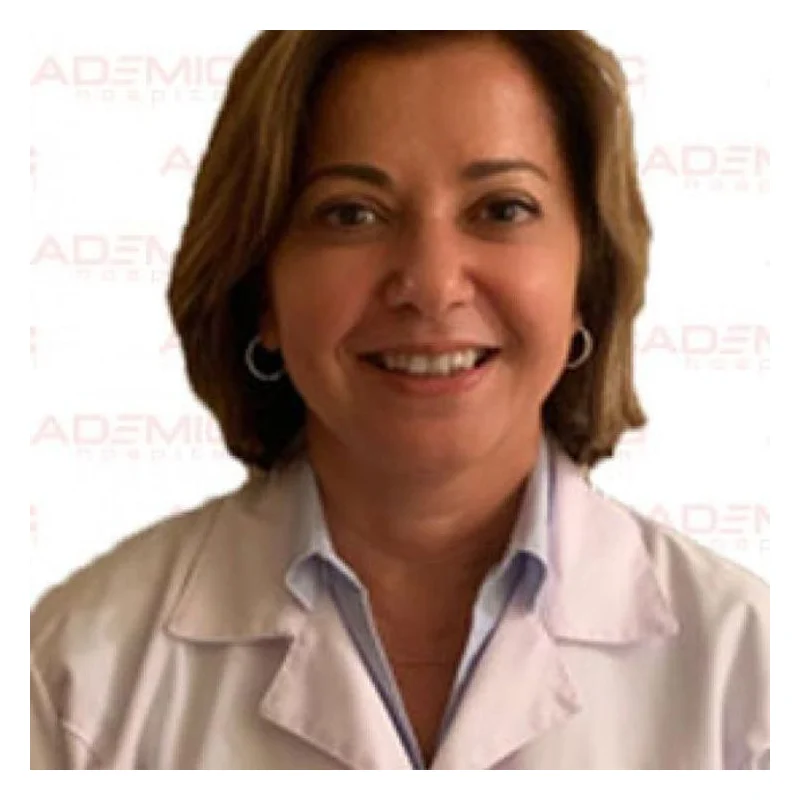
Dr. Miver Erem Tokuş
NeurosurgeryVerified
- 24+years exp.
English · Turkish
FromPrice on request
Free quote
60 seconds · no obligationView Profile
Cerebral palsy is a group of lifelong neurological disorders affecting movement, muscle tone, and posture, caused by damage to the developing brain before or around birth. Parents typically seek clinical guidance when infants show delayed motor milestones, abnormal muscle stiffness, or coordination difficulties. Supportive therapies and neurosurgical treatment options depend on an extensive multidisciplinary specialist assessment tailored to individual functional requirements. Compare hospitals in Turkey that treat Cerebral Palsy and get a free review of your medical records.

1 doctor Compare doctors, ratings and prices — ask any of them for a free quote.
NeurosurgeryVerified
English · Turkish
60 seconds · no obligationView Profile
Cerebral palsy is a group of lifelong neurological disorders affecting movement, muscle tone, and posture, caused by damage to the developing brain before or around birth. Parents typically seek clinical guidance when infants show delayed motor milestones, abnormal muscle stiffness, or coordination difficulties. Supportive therapies and neurosurgical treatment options depend on an extensive multidisciplinary specialist assessment tailored to individual functional requirements.
Specialty: Neurosurgery
Depending on the stage and your medical history, doctors may recommend:
The cost of treating Cerebral Palsy depends on the diagnosis and the treatment chosen. Doctors first review your medical records — free of charge — and you then receive an itemised quote.
Options may include Complex Diagnosis of Cerebral Palsy, Rehabilitation for Children with Cerebral Palsy. Your doctor chooses the approach after reviewing your tests and scans.
Cerebral Palsy is treated by Neurosurgery specialists. 2 clinics in Turkey on our platform offer this treatment.
Cerebral palsy is a group of lifelong conditions that affect movement, posture, and muscle coordination. It is caused by non-progressive damage or abnormal development in the immature brain, typically occurring before, during, or shortly after birth. Because the brain injury does not worsen over time, the underlying neurological lesion is permanent and static; however, musculoskeletal deformities, contractures, and functional challenges can evolve as a child grows.
Clinical presentation varies considerably between individuals, ranging from mild motor clumsiness to profound physical impairment affecting all four limbs and trunk stability. Healthcare teams classify cerebral palsy based on the predominant movement pattern and the affected limbs:
In addition to motor difficulties, children and adults may experience co-existing conditions, including chronic muscle spasms, epilepsy, speech and communication impairments, visual problems, hip dysplasia, scoliosis, and swallowing difficulties. Ongoing support involves coordinated input from specialists across paediatrics, physical therapy, and surgical disciplines.
A thorough diagnosis requires a comprehensive multidisciplinary clinical assessment. There is no single laboratory blood test that confirms cerebral palsy. Instead, clinicians evaluate developmental milestones, motor function, postural reactions, and muscle tone over time. In Turkey, hospital medical centres use structured diagnostic pathways to evaluate international patients and confirm the underlying brain pathology.
Diagnostic evaluations frequently involve specialised diagnostic assessments to map brain structure and exclude progressive metabolic or degenerative disorders:
Families travelling abroad should bring complete medical dossiers. Essential records include recent MRI DICOM discs, previous surgical reports, birth history summaries, vaccination records, current medication regimens, and video recordings demonstrating typical mobility, transfers, and posture at home.
Cerebral palsy cannot be cured, but targeted interventions reduce spasticity, prevent joint deformities, relieve discomfort, and foster greater functional independence. Medical decisions must always be made by treating doctors after in-person clinical examinations and diagnostic imaging review.
| Option | Typically used when | Things to know |
|---|---|---|
| Intensive neurorehabilitation | All severity levels; foundational before and after surgical procedures. | Combines physiotherapy, occupational therapy, and robotic gait training to preserve joint range and improve muscle coordination. |
| Selective dorsal rhizotomy (SDR) | Carefully selected children with spastic diplegia and good underlying trunk strength. | A specialised neurosurgery procedure that cuts problematic sensory nerve rootlets in the lower spinal cord to permanently decrease leg spasticity. |
| Intrathecal baclofen (ITB) pump | Severe generalised spasticity or secondary dystonia unresponsive to oral medicines. | Involves surgical implantation of a programmable reservoir in the abdomen delivering muscle relaxant directly to the spinal fluid. |
| Orthopaedic surgery | Fixed joint contractures, muscle shortening, hip subluxation, or scoliosis. | Specialists in orthopaedics perform tendon lengthening, tendon transfers, or corrective osteotomies to stabilise joints and improve walking efficiency. |
| Focal medical interventions | Localised spasticity interfering with hand function, hygiene, or walking patterns. | Includes targeted botulinum toxin injections accompanied by serial casting or custom splinting. |
Long-term therapeutic programmes often combine surgical corrections with structured rehabilitation to translate structural gains into durable daily living skills.
Travelling to Turkey for cerebral palsy evaluation or surgical intervention requires systematic preparation. The process begins with an advance review of medical records, enabling clinical teams to determine whether an in-person assessment is appropriate and which specialist consultations are necessary.
The length of your hospital stay depends directly on the planned intervention:
Before returning home, families receive translated discharge summaries, operation notes, postoperative imaging, and detailed therapy protocols. It is vital to coordinate in advance with your local physiotherapist and paediatrician so that home-based rehabilitation continues without interruption.
International travel involves physical demands that may pose health hazards for medically fragile patients. Families should postpone non-essential air travel under specific clinical conditions:
If a child develops red flag symptoms—such as persistent high fevers, sudden worsening of seizures, acute respiratory distress, severe new pain, or signs of surgical wound breakdown—families must seek urgent emergency care at a local hospital immediately rather than undertaking long-distance journeys.
No, cerebral palsy cannot be cured because the original brain injury is permanent and cannot be repaired. However, surgical interventions, medical treatments, and structured physical therapies can significantly decrease muscle stiffness, prevent bone and joint deformities, ease pain, and enhance mobility. Realistic goals are determined individually with your medical team based on functional classification systems.
Selective dorsal rhizotomy addresses the neurological cause of spasticity by cutting selected sensory nerve rootlets in the spinal cord, permanently reducing elevated muscle tone. In contrast, orthopaedic surgery treats secondary musculoskeletal changes, such as fixed muscle contractures, misaligned bones, or dislocated hips. Both approaches can be complementary and depend entirely on the patient's individual clinical examination.
For major interventions like selective dorsal rhizotomy or corrective orthopaedic surgery, families typically stay between three and five weeks. This timeline covers initial preoperative evaluations, the surgical admission, suture removal, postoperative casting or orthotics fitting, and several weeks of intensive daily physical therapy before clearing the patient for safe return flights.
You should bring your child's complete medical history, including recent brain MRI scans on DICOM discs, previous operative reports, electroencephalograms, and genetic or metabolic testing results. Up-to-date medication lists, documentation from your local physical therapist, and home video recordings showing typical walking, standing, and resting postures are also immensely valuable for the clinical team.
Continuous, daily rehabilitation is essential after any major medical or surgical intervention. Families must coordinate with local paediatric physiotherapists and occupational therapists prior to travel. Post-treatment protocols usually require intensive stretching, muscle strengthening, and functional gait training for at least six to twelve months to ensure surgical gains translate into lasting motor improvements.
Your request is in!
Your coordinator will contact you — usually within 2 hours, 24/7.
Want a faster, more accurate assessment?
Add photos & medical detailsLeave your number — a coordinator calls you in your language, usually within 15 minutes during office hours.
Thank you!
A coordinator will contact you at the time you chose.

