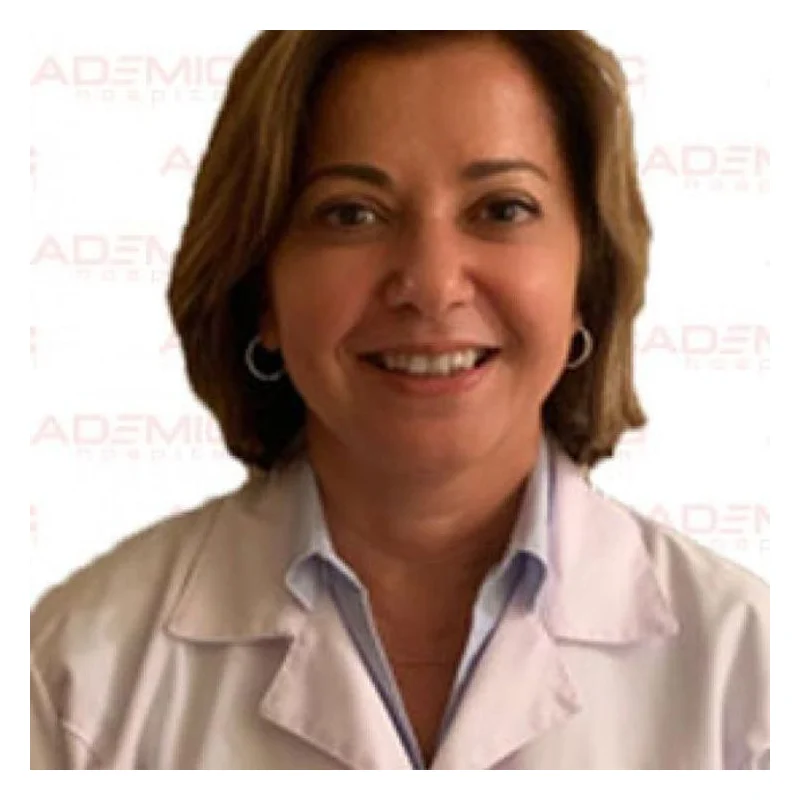
Dr. Miver Erem Tokuş
NeurosurgeryVerified
- 24+years exp.
English · Turkish
FromPrice on request
Free quote
60 seconds · no obligationView Profile
Myasthenia is a neuromuscular disorder characterised by fluctuating weakness and rapid fatigue in voluntary muscles, caused by faulty nerve-to-muscle communication. Individuals typically present to healthcare providers with drooping eyelids, double vision, difficulty chewing, or limb weakness that worsens with exertion. It can affect people at any age. Suitable medical and surgical treatment options depend on a comprehensive specialist assessment. Compare hospitals in Turkey that treat Myasthenia and get a free review of your medical records.

1 doctor Compare doctors, ratings and prices — ask any of them for a free quote.
NeurosurgeryVerified
English · Turkish
60 seconds · no obligationView Profile
Myasthenia is a neuromuscular disorder characterised by fluctuating weakness and rapid fatigue in voluntary muscles, caused by faulty nerve-to-muscle communication. Individuals typically present to healthcare providers with drooping eyelids, double vision, difficulty chewing, or limb weakness that worsens with exertion. It can affect people at any age. Suitable medical and surgical treatment options depend on a comprehensive specialist assessment.
Specialty: Neurosurgery
The cost of treating Myasthenia depends on the diagnosis and the treatment chosen. Doctors first review your medical records — free of charge — and you then receive an itemised quote.
Myasthenia is treated by Neurosurgery specialists. 2 clinics in Turkey on our platform offer this treatment.
Myasthenia is a chronic autoimmune neuromuscular disorder characterised by fluctuating muscle weakness and rapid muscle fatigue. It occurs when the body's immune system mistakenly produces antibodies that block or destroy acetylcholine receptors at the neuromuscular junction. This disrupts normal communication between nerves and muscles, causing voluntary muscles to weaken during activity and improve following periods of rest.
The condition can affect individuals of any age. Initial clinical presentations often involve the extraocular muscles, leading to bilateral or unilateral drooping eyelids (ptosis) and double vision (diplopia). As the condition progresses, generalised weakness may develop. Patients frequently report difficulty chewing tough foods, dysarthria (slurred speech), dysphagia (swallowing difficulties), and weakness in the limbs or neck. In severe cases, weakness in the intercostal muscles and diaphragm can cause respiratory distress, requiring urgent medical intervention.
Accurate evaluation requires a comprehensive evaluation by a specialist in Neurosurgery or neurology. Hospitals in Turkey utilise structured clinical pathways to confirm a diagnosis, evaluate severity, and rule out underlying conditions such as thymic abnormalities.
Diagnostic investigations typically include:
When travelling for assessment, you should bring all existing medical records, previous EMG traces, recent antibody lab results, brain or chest imaging on DICOM discs, and a full list of current medications.
Treatment plans are tailored to symptom severity, antibody status, and individual health profiles. A multidisciplinary team determines the most appropriate clinical pathway following complete diagnostic verification.
| Option | Typically Used When | Things to Know |
|---|---|---|
| Symptom-Directed Medication | Mild to moderate generalized or ocular weakness | Acetylcholinesterase inhibitors help improve nerve-to-muscle transmission but do not alter underlying immune dysfunction. |
| Immunosuppressive Therapy | Persistent symptoms not fully controlled by symptomatic drugs | Corticosteroids or non-steroidal immunosuppressants target autoantibody production; requires ongoing blood monitoring. |
| Intravenous Immunoglobulin or Plasma Exchange | Severe exacerbations or pre-operative preparation | Provides rapid, temporary symptom reduction by removing or neutralizing circulating pathogenic antibodies. |
| Surgical Thymectomy | Presence of a thymoma or non-thymomatous generalised AChR-positive cases | Surgical removal of the thymus gland may be advised via minimally invasive or open techniques through Pulmonology & Thoracic Surgery specialists. |
Depending on clinical needs, patients undergoing surgical procedures or intensive monitoring may also require care coordination with General Surgery or advanced medical support teams.
Organising care abroad requires careful preparation due to the fluctuating nature of neuromuscular conditions. The process begins with a preliminary review of your medical history by the attending clinical team. If you are deemed fit to travel, diagnostic confirmation and consultation are scheduled upon arrival.
Patients should plan to remain in Turkey for a minimum of 10 to 14 days for initial diagnostic workups or medication adjustments. If undergoing thymectomy, a longer stay is necessary to accommodate pre-operative optimization, post-operative observation, and initial recovery. Before returning home, ensure you receive full clinical discharge summaries, surgical reports, and prescriptions. Your domestic neurologist should be informed of all treatments to manage long-term medication titrations and follow-up care.
Travel is strongly discouraged if you are experiencing severe, unstable, or rapidly deteriorating symptoms. A sudden worsening of respiratory function or acute difficulty swallowing signals a myasthenic crisis, which is a life-threatening emergency.
Seek immediate emergency medical care locally if you experience:
Complex cases involving underlying conditions may require pre-travel consultation across specialties, such as Check-ups & Diagnostics, Cardiac Surgery, or Endocrinology, to ensure travel safety.
Ocular myasthenia exclusively affects the muscles controlling eye and eyelid movements, causing ptosis or double vision. Generalised myasthenia involves broader muscle groups, potentially affecting limb strength, chewing, swallowing, and breathing. Ocular symptoms can sometimes progress to generalised disease over time.
For diagnostic evaluations and medication adjustments, a stay of 10 to 14 days is typical. If surgical options like a thymectomy are required, plan for 2 to 3 weeks to allow for pre-operative testing, surgery, inpatient monitoring, and initial post-operative recovery.
Myasthenia is a manageable chronic condition rather than one with a definitive cure. Treatments aim to induce stable remission or significantly reduce symptoms. Many individuals achieve good symptom control and regain normal daily function with appropriate medical or surgical management.
Flying is generally safe if your condition is stable and well-controlled. However, you should avoid travel if you have recent respiratory distress, unstable swallowing difficulties, or worsening weakness. Always consult your treating neurologist for clearance before booking flights.
Bring comprehensive medical records, previous electromyography (EMG) reports, antibody test results, chest CT or MRI scans on disc, and a detailed summary of all past and current medications, including dosages and your response to them.
Your request is in!
Your coordinator will contact you — usually within 2 hours, 24/7.
Want a faster, more accurate assessment?
Add photos & medical detailsLeave your number — a coordinator calls you in your language, usually within 15 minutes during office hours.
Thank you!
A coordinator will contact you at the time you chose.

