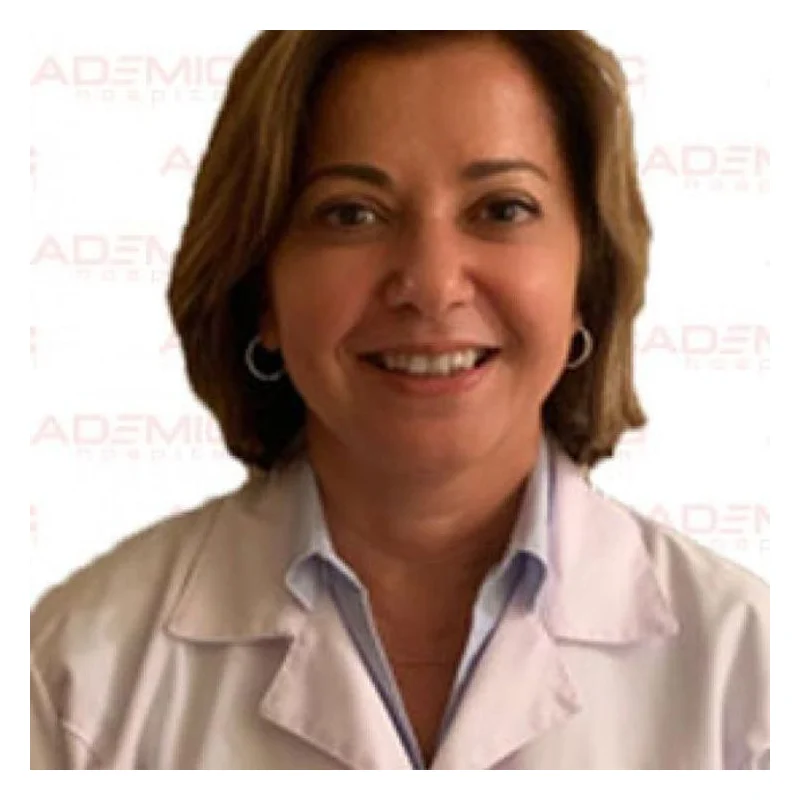
Dr. Miver Erem Tokuş
NeurosurgeryVerified
- 24+years exp.
English · Turkish
FromPrice on request
Free quote
60 seconds · no obligationView Profile
Neurological diagnostics in Turkey bring together tests such as EEG, video EEG monitoring, EMG, evoked potentials, brain FDG-PET and neuropsychological testing, and complex work-ups for epilepsy, Parkinson's disease, multiple sclerosis, cerebral palsy and stroke. This guide explains how the tests differ, what a visit involves and how to request a written plan.
A written plan with the surgeon's name and the full price — usually within 24 hours.

1 doctor Compare doctors, ratings and prices — ask any of them for a free quote.
NeurosurgeryVerified
English · Turkish
60 seconds · no obligationView Profile
Neurological diagnostics in Turkey cover the tests and structured assessments used to find out what is happening in the brain, nerves and muscles. They sit within neurosurgery treatments in Turkey because the results often decide whether surgery, medication or follow-up is the right route. The hospitals on our site are licensed by the Turkish Ministry of Health.
The category has two kinds of entries. The first is single tests: EEG (electroencephalography), EEG for the transition from wakefulness to sleep, video EEG monitoring, EMG (electromyography), electroneurography, visual evoked potentials (VEP), brain FDG-PET and the neuropsychological test. The second is complex diagnostics, which combine several tests and specialist consultations for one condition: epilepsy, Parkinson's disease, multiple sclerosis, cerebral palsy and the period after a stroke.
These services answer a question; they do not treat the condition. A report can confirm a diagnosis, rule something out, locate the origin of seizures or show how far a nerve or muscle disease has progressed.
EEG records the brain's electrical activity through electrodes on the scalp, and video EEG adds continuous filming so that seizures can be matched to the trace, often over several hours or days. EMG and electroneurography test how muscles and nerves conduct signals, and evoked potentials measure how quickly the brain responds to a stimulus such as a visual pattern. Brain FDG-PET is an imaging scan that shows how active different areas of the brain are. A neuropsychological test assesses memory, attention and thinking through structured tasks.
Which one you need depends on your symptoms and on what your own neurologist has already done. A complex diagnostic programme is usually chosen when the diagnosis is unclear, when treatment has not worked as expected, or when surgery is being considered. Bring your previous reports and scans, because a hospital can sometimes avoid repeating tests you already have.
Many single tests take from under an hour to a few hours and are done as an outpatient. Video EEG monitoring and some complex programmes need one or more nights in hospital so that seizures or sleep can be recorded. A full programme may bring together several tests and consultations over a few days, and the written report follows.
Ask which medicines you should continue, whether any must be paused, and whether you should arrive rested or sleep-deprived, since some EEG tests depend on this. Children, people with epilepsy and those with limited mobility should travel with a companion. Ask for the reports in English, with images on a disc or file, so that your own doctor can use them at home.
The price depends on the number and type of tests, since a single EEG and a multi-day epilepsy programme are very different services. It also depends on how long you stay in hospital, whether PET imaging or a specialised laboratory is involved, which specialists take part and whether reports, translation and follow-up consultations are included. Ask for a quote that lists each test.
Because the result of a diagnostic test depends on how it is carried out and read, check these points before you book:
You can also ask whether the team can accept previous results, to avoid unnecessary repeat tests.
Send your previous reports, scans and a short description of your symptoms through the free quote form. We forward them to licensed hospitals with a neurology and neurosurgery department, and a specialist reviews your case and suggests which tests are worth doing.
You then receive a written plan from the hospital that lists the tests, the specialist, the expected length of stay and the price. There is no obligation, and you may compare it with the advice of your own doctor. To see the wider range of hospitals and specialists first, visit the neurosurgery page.
A standard EEG records brain activity for a short period. Video EEG records the trace together with continuous video, usually for many hours or days, so that seizures can be matched to the brain activity. It is often used when epilepsy is suspected or surgery is considered.
It is a scan that shows how actively different parts of the brain use sugar, which helps doctors find areas that work abnormally. It is used in epilepsy, dementia and some other conditions and is interpreted together with MRI and other tests.
Many single tests are outpatient. Video EEG monitoring and complex programmes usually need one or more nights so that seizures or sleep can be recorded. The hospital will tell you in the plan.
Yes, and you should. Earlier reports, MRI scans and test records help the specialist decide what is still needed, and they can sometimes save you from repeating a test.
Do not stop any medicine without medical advice. Some tests are planned around medication, so tell the hospital what you take and ask for written instructions before you travel.
Simple tests are often reported within a day or so. Complex programmes take longer because several tests and specialists are involved. Ask for the expected date, and for the report in English.
No. Diagnostics establish what is happening and guide the next step. Treatment, if needed, is a separate decision, and you may choose to continue it with your own doctor at home.
Your request is in!
Your coordinator will contact you — usually within 2 hours, 24/7.
Want a faster, more accurate assessment?
Add photos & medical detailsLeave your number — a coordinator calls you in your language, usually within 15 minutes during office hours.
Thank you!
A coordinator will contact you at the time you chose.

