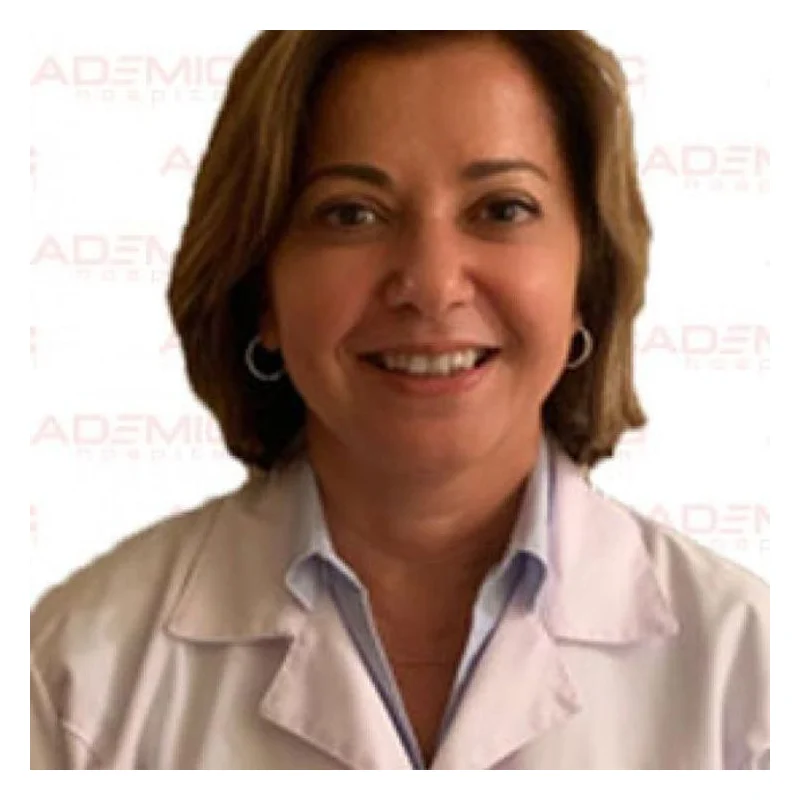
Dr. Miver Erem Tokuş
NeurosurgeryVerified
- 24+years exp.
English · Turkish
FromPrice on request
Free quote
60 seconds · no obligationView Profile
Brain surgery in Turkey covers craniotomy, brain biopsy, removal of brain tumours such as meningioma, glioma and glioblastoma, pituitary and skull base surgery, brain cyst removal, aneurysm repair, hydrocephalus shunts and artery stenting. This guide compares the procedures, who they suit, the trip and recovery, the price and how to request a free plan.
A written plan with the surgeon's name and the full price — usually within 24 hours.

1 doctor Compare doctors, ratings and prices — ask any of them for a free quote.
NeurosurgeryVerified
English · Turkish
60 seconds · no obligationView Profile
Brain surgery in Turkey covers operations to remove or treat tumours, cysts and abnormal blood vessels, to relieve pressure from fluid, and to take tissue samples for diagnosis. They are carried out by neurosurgeons in hospitals with intensive care and imaging on site. Our neurosurgery treatments in Turkey section lists the whole specialty, and this page compares the brain procedures within it.
The main groups are these. A craniotomy is the basic operation: part of the skull is lifted to reach the brain and put back afterwards. It is used for brain tumour surgery, including removal of a meningioma, resection of a glioma or glioblastoma, and surgical removal of a brain cyst. A brain biopsy takes a small sample of tissue to establish a diagnosis. Pituitary tumour surgery is often done through the nose, as a transsphenoidal or transnasal resection, with no cut in the skull. Skull base tumour excision reaches growths at the base of the brain. Brain aneurysm repair secures a weak blood vessel wall, either by clipping or through a catheter. Hydrocephalus shunt surgery drains excess fluid. Vertebral artery angioplasty and stenting widens a narrowed artery that supplies the back of the brain.
Brain surgery is advised after a scan or biopsy has shown a problem that surgery can treat, such as a tumour that can be reached safely, an aneurysm at risk of bleeding, or fluid that is raising pressure inside the head. Some tumours are removed completely, some only in part, and some are treated with radiotherapy or medication instead of, or as well as, surgery. A multidisciplinary discussion between neurosurgeon, oncologist and radiologist is usual.
Before you ask for a plan, gather the following:
The right operation depends on the type, size and position of the problem, your general health and the surgeon's experience. Ask what the aim of the operation is, which risks apply to you, and what the alternatives are, including doing nothing for now.
Brain surgery needs time in hospital, often including a period in intensive care, followed by a stay in Turkey before it is safe to fly. The duration depends on the operation: a transnasal pituitary operation usually needs a shorter stay than a craniotomy for a large tumour. Your surgeon will tell you when you can travel, and the written plan should state the expected number of nights.
Recovery is gradual and varies widely. Fatigue, headaches and swelling are common at first, and some patients need rehabilitation for movement, speech or memory. Further treatment, such as radiotherapy or chemotherapy, may follow. Travelling with a companion is strongly advised. Take your scans, operation notes and pathology reports with you, and arrange follow-up with your own doctors before you leave.
The price depends on the type and complexity of the operation, the technology used, such as navigation, intraoperative imaging or monitoring, the length of the stay including intensive care, implants such as shunts or stents, pathology tests and rehabilitation. A biopsy costs far less than a large tumour operation. Ask the hospital to state what the quote includes: surgeon and anaesthetist fees, ICU days, medication, scans and follow-up visits. Prices in a written plan are confirmed after the hospital has reviewed your images and records.
Hospitals on our site are licensed by the Turkish Ministry of Health and authorised for health tourism. Before you decide, ask for the following in writing:
Be cautious about any offer that promises a result or a price without reviewing your scans.
Asking for a plan is free. Send your scan reports, images and a short medical history through the free quote form. A neurosurgeon at a licensed hospital reviews them and tells you whether an operation is likely to help, which approach they would suggest and what the alternatives are. You then receive a written plan with the surgeon's name, the proposed procedure, the expected stay and the price, with no payment due to us. You pay the hospital directly, and a coordinator helps with appointments and questions. You can also browse the wider neurosurgery section while you decide.
All brain surgery carries serious risks, including bleeding, infection, swelling and loss of function. Safety depends on whether surgery is needed, the surgeon's experience and the hospital's intensive care and imaging. Choose a licensed hospital, ask about the surgeon's experience with your exact procedure and get the plan in writing.
A craniotomy is an operation in which a piece of the skull is temporarily removed so the surgeon can reach the brain. The bone is replaced and fixed at the end. It is used for tumours, cysts, bleeding and some blood-vessel problems.
Often yes. Many pituitary tumours are removed through the nose with a transsphenoidal approach, using a thin endoscope. Larger or more complex tumours may need a craniotomy. Your scan decides which approach is suitable.
A brain biopsy takes a small piece of tissue to find out what a growth is. The result guides the treatment plan, which may be surgery, radiotherapy, medication or observation.
A shunt is a thin tube with a valve that drains excess fluid from the brain to another part of the body, usually the abdomen, to lower pressure in the head. It stays in place long term and needs follow-up checks.
It depends on the operation and your recovery. Some patients need a few days in hospital, others longer, including intensive care. Your surgeon will say when it is safe to fly, and the written plan should give an expected stay.
No. Asking for a plan is free, there is no pre-payment to us, and you pay the hospital directly according to your written plan.
Your request is in!
Your coordinator will contact you — usually within 2 hours, 24/7.
Want a faster, more accurate assessment?
Add photos & medical detailsLeave your number — a coordinator calls you in your language, usually within 15 minutes during office hours.
Thank you!
A coordinator will contact you at the time you chose.

