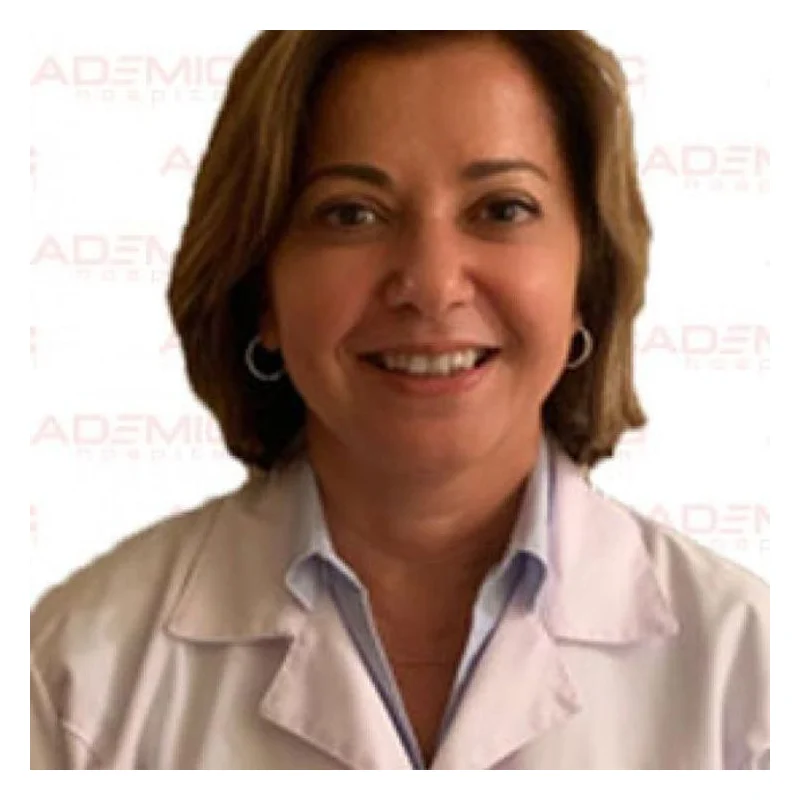
Dr. Miver Erem Tokuş
NeurosurgeryVerified
- 24+years exp.
English · Turkish
FromPrice on request
Free quote
60 seconds · no obligationView Profile
Functional neurosurgery in Turkey treats disorders of how the nervous system works, such as Parkinson's disease, tremor, epilepsy, spasticity and chronic pain, with procedures including deep brain stimulation, nerve and spinal cord stimulators, a baclofen pump and selective rhizotomy. This guide explains the options, who they suit and how to request a written plan.
A written plan with the surgeon's name and the full price — usually within 24 hours.

1 doctor Compare doctors, ratings and prices — ask any of them for a free quote.
NeurosurgeryVerified
English · Turkish
60 seconds · no obligationView Profile
Functional neurosurgery in Turkey treats disorders in which the nervous system is intact in structure but does not work as it should. Typical examples are movement disorders, epilepsy, spasticity and chronic pain. It is a field within neurosurgery treatments in Turkey, and the hospitals on our site are licensed by the Turkish Ministry of Health.
The procedures fall into three groups. The first uses implanted devices that deliver electrical stimulation: deep brain stimulation (DBS), vagus nerve stimulation, sacral nerve stimulation (SNS) and the spinal cord stimulator (SCS). The second changes or interrupts nerve pathways: stereotactic surgery, surgical treatment of epilepsy, multiple subpial transections, selective dorsal neurotomy, selective dorsal cryoablation and selective dorsal rhizotomy. The third delivers medicine directly: the baclofen pump for severe spasticity.
MR-guided focused ultrasound (MRgFUS) is a further option for some tremors, as it treats a small target in the brain without an incision.
Stimulation systems are adjustable and, in most cases, reversible, because the device can be reprogrammed or removed. Procedures that destroy or disconnect tissue, such as ablation, transection and rhizotomy, are intended to be permanent. A baclofen pump is a programmable reservoir that releases a muscle relaxant into the spinal fluid, so the dose can be changed over time.
The choice depends on the diagnosis and on what has already been tried. DBS is considered for selected people with Parkinson's disease, tremor or dystonia whose symptoms are no longer controlled well by medication. Epilepsy surgery is considered when seizures continue despite drugs and tests show where they start. Spasticity treatments are chosen according to whether the problem is in the legs, in several limbs or in the whole body. Not everyone is a suitable candidate, and a multidisciplinary team should decide after tests such as MRI and, where relevant, video EEG.
These are specialised operations that usually need several days in hospital, and some patients are monitored for longer. Implanted systems are often switched on and programmed in the days or weeks after surgery, and fine adjustment can continue for months. Before you travel, ask who will do the follow-up programming and what happens if you need an adjustment once you are home.
Plan for a companion, for a longer stay than a simple operation would need and for rehabilitation or physiotherapy afterwards, particularly for spasticity. Devices need periodic checks, and batteries need replacing at intervals that depend on the model and settings. Ask for the device model, the programming plan and the follow-up schedule in writing.
The price is driven mainly by the procedure and by the device. Implants, leads, batteries and pumps vary in brand and type, and rechargeable and non-rechargeable systems differ in cost. The length of stay, imaging and monitoring during the operation, the surgical team, the programming sessions and the follow-up visits also count. Ask whether the quote includes the device, the first programming and any later adjustment.
Functional surgery is a specialised field in which experience and team work matter. Before you choose, check these points:
It is reasonable to ask for an honest explanation of the expected benefit and the risks, which differ between procedures and patients.
Send your medical reports, MRI scans, a list of treatments you have already tried and a short description of your symptoms through the free quote form. We forward them to licensed hospitals with a functional neurosurgery team, and a specialist reviews whether you may be a candidate.
You then receive a written plan from the hospital that names the proposed procedure, the surgeon, the device, the expected stay and the price. There is no obligation, and you can compare it with the opinion of your own neurologist. To see the wider range of hospitals and specialists first, visit the neurosurgery page.
It is surgery that aims to change how the nervous system works rather than to remove a lesion. It is used for conditions such as Parkinson's disease, tremor, dystonia, epilepsy, spasticity and some kinds of chronic pain.
DBS is considered for selected people with Parkinson's disease, essential tremor or dystonia whose symptoms are not controlled well enough with medication. A team assesses each case with tests and an examination, and not everyone is a candidate.
For some people whose seizures continue despite medication and whose seizures start in an identifiable area of the brain, surgery may be an option. The decision follows a detailed work-up, usually including MRI and video EEG.
It is a small programmable pump placed under the skin of the abdomen that delivers baclofen, a muscle relaxant, into the spinal fluid through a thin catheter. It is used for severe spasticity, and the dose can be adjusted over time.
Generally yes, since the device can be switched off or removed. Many patients first have a short trial with a temporary lead to see whether it helps before a permanent system is implanted.
It depends on the procedure, but usually several days in hospital and sometimes more for programming and checks. The hospital should give you the expected length of stay in its written plan.
Ask this before you decide. Some patients arrange programming with a specialist near home, others return to the treating centre. Ask the hospital for the device details and a written follow-up plan.
Your request is in!
Your coordinator will contact you — usually within 2 hours, 24/7.
Want a faster, more accurate assessment?
Add photos & medical detailsLeave your number — a coordinator calls you in your language, usually within 15 minutes during office hours.
Thank you!
A coordinator will contact you at the time you chose.

