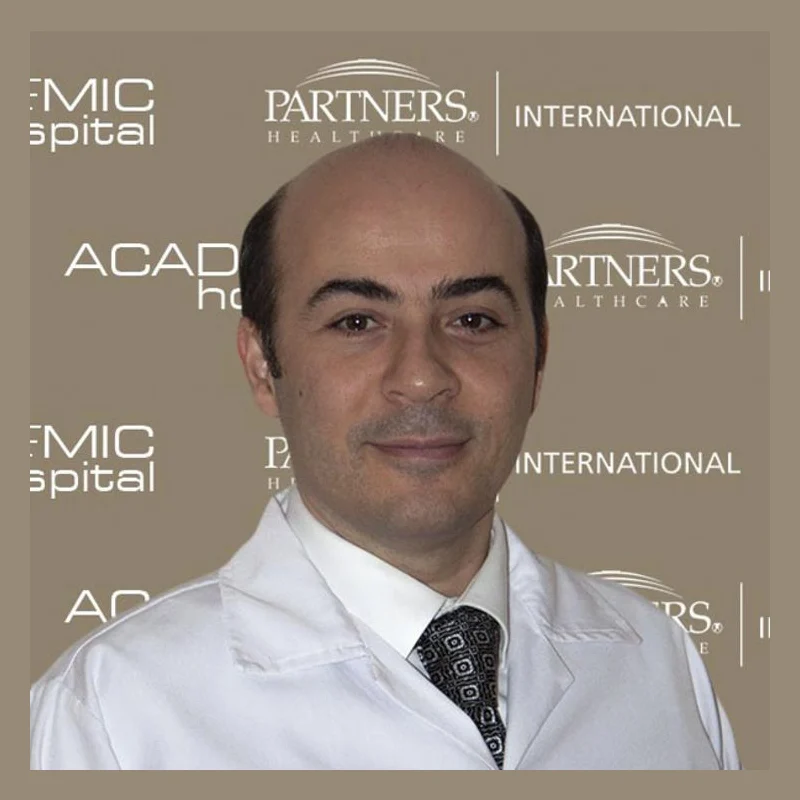
Op. Dr. Fikret Düşünceli
General SurgeryVerified
- 36+years exp.
English · Turkish
FromPrice on request
Free quote
60 seconds · no obligationView Profile
Thyroid and endocrine surgery in Turkey covers removal of all or part of the thyroid, the parathyroid glands or an adrenal gland. This guide explains how the operations differ, who they suit, what the trip and recovery involve, what shapes the price and how to check a hospital before you travel.
A written plan with the surgeon's name and the full price — usually within 24 hours.

1 doctor Compare doctors, ratings and prices — ask any of them for a free quote.
General SurgeryVerified
English · Turkish
60 seconds · no obligationView Profile
Endocrine surgery treats glands that make hormones. In this category the operations are thyroidectomy, subtotal thyroidectomy, parathyroidectomy and adrenalectomy. They are carried out by general surgeons, often with a special interest in endocrine disease, and they sit within General Surgery treatments in Turkey.
The four operations remove different amounts of tissue, for different reasons:
None of these operations is chosen from a website. The decision rests on blood tests, an ultrasound or other imaging, and often a needle biopsy for thyroid nodules. A specialist, usually an endocrinologist working with a surgeon, decides whether surgery is needed at all, and many thyroid nodules and some small adrenal findings are watched rather than operated on.
A few questions are worth asking any surgeon. Is the whole gland or only part being removed, and why? Will I need tablets for life afterwards? For parathyroid surgery, how will the abnormal gland be located before the operation? For adrenal surgery, can it be done by keyhole (laparoscopic) surgery? Keep the reports you already have, because a hospital abroad can only give a sound opinion with them.
These are operations under general anaesthetic. Most patients stay in hospital for one to three nights and then need a few more days nearby before flying, so that the surgeon can check the wound and review blood results. Plan on one trip of about a week to ten days, and agree the exact timing with the hospital rather than assuming it.
After thyroid surgery you can expect a sore throat, a tight neck and a thin scar, which fades over time. Your calcium level is usually checked because the parathyroid glands can be temporarily affected, and the surgeon will talk to you about the small risks to the voice nerves. After removal of the whole gland you will take thyroid hormone tablets and need regular blood tests at home. After adrenalectomy and parathyroidectomy, follow-up blood tests are also part of the plan. Make sure your own doctor receives the operation notes and pathology report.
The cost depends mainly on the operation, whether the whole or part of a gland is removed, and whether the approach is open or keyhole. Adrenal surgery is usually more involved than thyroid surgery. Other factors are the length of the hospital stay, the room type, the tests and imaging needed beforehand, the pathology examination of the removed tissue and any monitoring equipment used during the operation. Your age and other conditions can also lengthen the stay.
Ask the hospital to state in writing what the quote includes and what would be charged separately, so that you can compare offers on the same basis.
Look for a hospital licensed by the Turkish Ministry of Health and authorised for international patients. Then ask about the surgeon: how often they perform the specific operation you need, whether they work in a team with an endocrinologist and an anaesthetist, and how complications such as low calcium or voice changes are handled. Ask what happens if you need a second procedure or a return to theatre, and who answers your questions once you are home.
A trustworthy hospital will explain the risks plainly, will not promise a particular result and will not hurry you into a decision. If a plan arrives without any mention of risks or of what could go wrong, treat that as a warning sign.
Send your scan reports, blood tests and a short note on your history through our free quote form. We pass them to suitable licensed hospitals, and the hospital replies with a written treatment plan: the proposed operation, the surgeon, the expected stay and the full cost. Asking is free and you are under no obligation to go ahead.
You can compare more than one plan, put your questions to the surgeon's team and take your time. If you decide to travel, a coordinator can help with appointments, transfers and practical questions. Before you decide, you can also read about the wider range of General Surgery treatments in Turkey.
Thyroid surgery is a routine operation in licensed Turkish hospitals, but it carries risks anywhere, including bleeding, low calcium and injury to the voice nerves. Safety depends on the surgeon's experience with the operation and on careful follow-up, so ask both before you book.
A thyroidectomy removes the whole gland or one lobe. A subtotal thyroidectomy removes most of the gland and leaves a small remnant. Which is right depends on the diagnosis, and your surgeon should explain the reasoning in writing.
Most patients stay in hospital one to three nights and remain nearby for a few more days for a wound and blood test check. Many plan about a week to ten days in total, but the surgeon sets the timing for your case.
If the whole thyroid is removed, you will need thyroid hormone tablets for life and regular blood tests. After partial removal, some people need tablets and some do not. Your surgeon and endocrinologist will check your levels.
A parathyroid gland that makes too much hormone raises blood calcium, which can cause kidney stones, bone thinning and tiredness. Removing the overactive gland is the usual treatment when tests confirm the problem.
Often yes. Laparoscopic adrenalectomy is commonly used for suitable tumours and usually means smaller wounds. Large or suspicious tumours may need open surgery, and the surgeon decides which approach is safer after reviewing the imaging.
Send ultrasound or CT reports, blood test results, any biopsy report, a list of your medicines and a short history. A hospital can only suggest a sound plan and a price once it has seen all of these.
Your request is in!
Your coordinator will contact you — usually within 2 hours, 24/7.
Want a faster, more accurate assessment?
Add photos & medical detailsLeave your number — a coordinator calls you in your language, usually within 15 minutes during office hours.
Thank you!
A coordinator will contact you at the time you chose.

