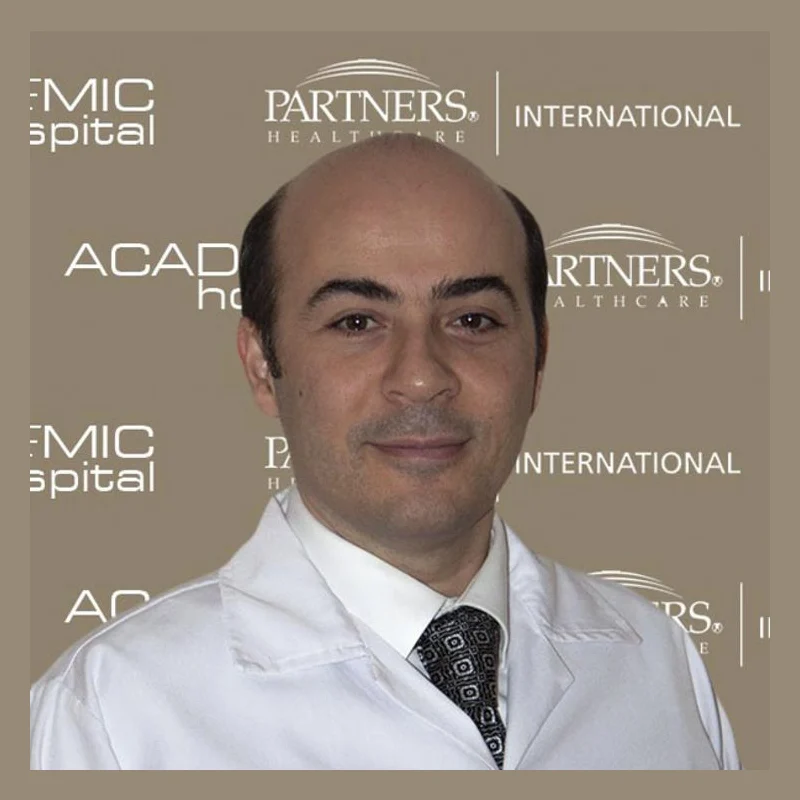
Op. Dr. Fikret Düşünceli
General SurgeryVerified
- 36+years exp.
English · Turkish
FromPrice on request
Free quote
60 seconds · no obligationView Profile
Soft tissue surgery in Turkey includes lipoma removal and pilonidal sinus laser surgery. Both are usually short operations with a quick return home. This guide explains how the two differ, who they suit, what recovery involves, what shapes the price and how to check a hospital before you book.
A written plan with the surgeon's name and the full price — usually within 24 hours.

1 doctor Compare doctors, ratings and prices — ask any of them for a free quote.
General SurgeryVerified
English · Turkish
60 seconds · no obligationView Profile
Soft tissue surgery deals with lumps, cysts and skin and fat problems rather than with organs or bones. In this category we list two operations: lipoma removal and pilonidal sinus laser surgery. Both belong to General Surgery treatments in Turkey, and both are normally planned operations rather than emergencies.
They treat very different problems:
A lipoma that does not bother you can be left alone. Surgery makes sense when it grows, hurts, sits where clothes or a bag rub it, or when a doctor wants it examined. A lump that is hard, fixed, growing quickly or painful needs a proper assessment, usually with an ultrasound or MRI, before anyone calls it a lipoma. Large lipomas may need a bigger cut and a drain, while small ones can often be taken out through a short incision.
For a pilonidal sinus the main choice is between traditional open excision, flap procedures and laser or other minimally invasive methods. Laser treatment is attractive because the wound is small and healing is usually quicker, but it is not right for every case. Extensive disease with several tracts or a recent abscess may need another approach. Ask the surgeon why a particular method suits your sinus and what the chance of the problem returning is in their experience, without expecting a guarantee.
Both operations are usually short and many patients go home the same day or after one night. Lipoma removal is often done under local anaesthetic, with sedation or general anaesthetic for large or deep lumps. Pilonidal laser surgery is commonly done under sedation or spinal or general anaesthetic.
After lipoma removal you can expect some bruising and tenderness around a small scar, and stitches are usually taken out after about ten days to two weeks. A short trip, often a few days, can be enough, but your surgeon should say when it is safe to fly and whether the removed tissue will be sent for pathology.
After pilonidal laser surgery the wound is small, but it needs keeping clean and the area around it must stay free of hair. Many people return to light activity within days, though sitting for long periods may be uncomfortable at first. Ask for written aftercare instructions, because looking after the area at home is a large part of preventing a return.
For a lipoma, the main factors are its size and depth, how many there are, whether it sits near nerves or muscle, the type of anaesthetic and whether the tissue goes for pathology. For a pilonidal sinus, the price reflects the extent of the disease, the laser equipment, the anaesthetic, the length of stay and the follow-up dressings. Imaging and clinic visits before the operation may be included or charged separately, so ask for a written list of what the quote covers.
Choose a hospital licensed by the Turkish Ministry of Health and authorised for international patients. Ask whether the surgeon regularly performs the operation you need, how the tissue is examined afterwards and who handles complications such as infection or a wound that is slow to heal. For pilonidal surgery, ask what follow-up is offered and how long it lasts. A responsible team will discuss risks openly, send you written aftercare and avoid promising a particular result.
Use our free quote form to send photographs, any scan or ultrasound reports and a short description of your symptoms. We pass your details to suitable licensed hospitals, and the hospital replies with a written plan that names the operation, the surgeon, the expected stay and the full cost. There is no charge for asking and no obligation to accept.
You can compare plans, ask the surgeon's team questions and take your time. If you travel, a coordinator can help with appointments and transfers. To see the full list of operations, go back to General Surgery treatments in Turkey.
No. Most lipomas are harmless and can be left alone. Removal is usually offered if the lump is painful, growing, in an awkward place or needs examining to confirm the diagnosis.
It can, particularly if a small part of the capsule or fat is left behind, and new lipomas can form elsewhere. Ask the surgeon about this and keep the pathology report if one was done.
The procedure itself is usually short, often under an hour, and many patients go home the same day. Your surgeon will explain the timing for your case, and whether you need to stay nearby for a check.
Laser surgery uses a very small wound and often means a quicker recovery, but it does not suit every sinus. Extensive disease may need open surgery. The surgeon should explain why they recommend one method over the other.
Keeping the area clean and hair-free, avoiding long periods of sitting and following the aftercare plan all help. Your surgeon will give advice for your situation, but no method can guarantee the problem will not return.
Often within a few days for a small lump, but it depends on the size and site, and the surgeon must agree. Stitches and the wound check usually decide the timing.
Send clear photographs, any ultrasound or MRI reports, a note about how long the problem has been there, your medicines and previous treatments. This helps a hospital suggest a plan and a price.
Your request is in!
Your coordinator will contact you — usually within 2 hours, 24/7.
Want a faster, more accurate assessment?
Add photos & medical detailsLeave your number — a coordinator calls you in your language, usually within 15 minutes during office hours.
Thank you!
A coordinator will contact you at the time you chose.

