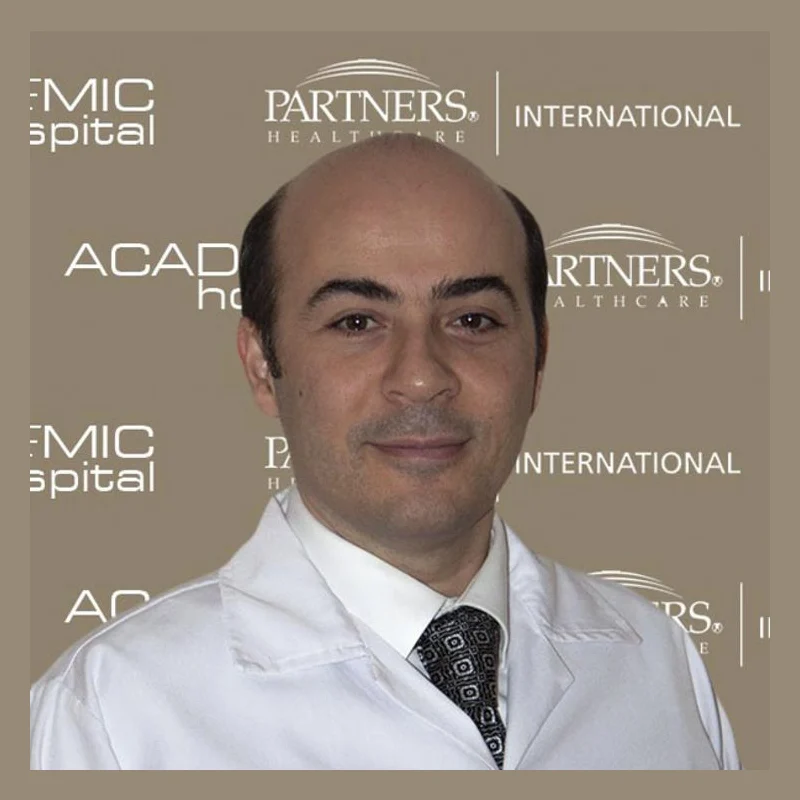
Op. Dr. Fikret Düşünceli
General SurgeryVerified
- 36+years exp.
English · Turkish
FromPrice on request
Free quote
60 seconds · no obligationView Profile
What pilonidal sinus laser surgery (SiLaC) is, how radial laser energy seals the sinus tract, what evidence says about recurrence rates, and how minimally invasive laser ablation compares with open excision or flap surgery. Learn approximate costs in Turkey against the UK, US and Germany, what healing and recovery involve, potential complications, and key questions to ask your surgeon.
A written plan with the surgeon's name and the full price — usually within 24 hours.

1 doctor Compare doctors, ratings and prices — ask any of them for a free quote.
General SurgeryVerified
English · Turkish
60 seconds · no obligationView Profile
Pilonidal sinus laser surgery (often termed Sinus Laser Closure or SiLaC) is a minimally invasive technique that treats chronic pilonidal disease in the natal cleft between the buttocks. Instead of cutting out wide wedges of skin and subcutaneous tissue, the surgeon clears infected debris and hair from the sinus tract, then passes a thin radial-emitting laser fibre into the channel. Controlled laser energy coagulates the epithelial lining and seals the tract from within. Hospitals in Turkey offer this technique for patients seeking tissue-preserving care without prolonged open-wound healing.
Pilonidal sinus disease occurs when loose hairs burrow into natal cleft pores, creating chronic tracts that cause discharge and discomfort. While traditional excision leaves deep cavities requiring months of daily dressings, laser ablation preserves healthy tissue and shortens recovery. This guide covers how the laser works, recurrence evidence, approximate costs across Turkey, the UK, the US and Germany, and aftercare. For related outpatient procedures, see our guide to general surgery treatments in Turkey.
The procedure follows a clear sequence under anaesthesia. The patient lies prone with the buttocks gently parted to access the natal cleft. The surgeon inspects the area under magnification to identify all midline pits and discharging openings, using a blunt probe to map tract depth and direction.
The sinus is then cleared. Miniature curettes and saline irrigation extract trapped hair nests, debris, and inflamed granulation tissue. Next, a flexible radial laser fibre connected to a 1470 nm diode device is passed to the base of the tract. The radial tip emits energy in a 360-degree ring, heating the lining to cause thermal ablation and collagen contraction. As the surgeon withdraws the fibre at a steady pace, the channel collapses and seals. Because no wide incision is made, the tiny entry pits close naturally without tension.
Clinical studies show that pilonidal sinus laser surgery works well for selected patients. Published surgical series report primary healing rates between 70% and 85% after laser ablation. Documented advantages include significantly less post-operative pain, negligible blood loss, minimal wound breakdown, and a rapid return to normal activities.
However, no pilonidal technique carries a zero recurrence rate. Anatomical depth, friction, and ongoing hair shedding remain present after surgery. Studies show recurrence rates of roughly 10% to 20% over two to five years. Recurrence is more frequent when branching tracts were missed or if post-operative hair removal is neglected. Furthermore, laser ablation cannot treat an acute, fluctuating abscess; infection must first be drained and allowed to settle into a chronic state before laser closure. A trustworthy clinic will discuss these realities openly.
The table below shows approximate cost ranges for pilonidal sinus laser surgery. These figures reflect typical private hospital fees and are not hospital quotes. Final prices depend on tract complexity, anaesthesia, and whether you stay overnight.
| Country | Approximate cost range |
|---|---|
| Turkey | €1,200 – €2,800 |
| United Kingdom | €2,500 – €5,500 |
| United States | €3,500 – €8,000 |
| Germany | €2,200 – €5,000 |
Several factors influence the pilonidal sinus laser surgery price. Treating a single tract requires less theatre time than treating recurrent disease with multiple branches. Choosing spinal or general anaesthesia also changes costs compared with local tumescent numbing. In Turkey, packages typically include pre-operative tests, surgeon and anaesthetist fees, laser consumables, medications, dressings, and airport transfers. Always request a written quote listing all package inclusions.
Treating pilonidal disease involves balancing invasiveness, recovery speed, and recurrence risks. For years, the traditional choice was wide open excision, leaving an open cavity that heals by secondary intention over months. Another option is flap reconstruction (such as a Limberg or Karydakis flap), which mobilises tissue to flatten the cleft. Laser sinus ablation provides a tissue-sparing alternative.
| Method | Best suited to | Typical limits |
|---|---|---|
| Laser sinus ablation (SiLaC) | Primary or recurrent uncomplicated sinuses with clearly identifiable pits | Higher recurrence risk in complex branching tracts; requires laser fibre access |
| Open excision | Extensive chronic infection or recurrent tracts needing wide clearance | Large open wound; demands weeks of daily packing and longer off-work time |
| Flap reconstruction (e.g. Limberg) | Complex, extensive, or multi-recurrent disease needing cleft flattening | Significant surgical scarring, higher wound tension risk, and longer operative time |
While open excision creates a deep defect requiring months of dressing changes, laser ablation leaves normal skin intact and avoids wound cavity packing. Flap repairs reduce recurrence in complex cases but involve wide incisions and altered cleft shape. For patients with well-defined tracts seeking minimal downtime, laser ablation offers an effective tissue-preserving path.
Suitable candidates for pilonidal sinus laser surgery are adults and adolescents with chronic pilonidal disease that is calm and free of acute spreading infection. Good candidates typically present with one or more visible pits in the natal cleft, intermittent clear or bloody discharge, and discomfort when sitting. Patients with a minor recurrence after earlier surgery are also suitable, as repeating a wide excision causes excessive scarring.
Laser ablation is less suitable for patients with an acute, painful abscess, who need prompt incision and drainage first. Extensive branching tracts spreading far into the buttock cheeks usually require formal excision or combined surgery. Much like minor soft tissue procedures such as lipoma removal, laser sinus closure is an ambulatory treatment that preserves surrounding skin, provided the patient commits to post-operative hygiene and long-term hair removal.
The operation takes between 20 and 40 minutes, depending on the number of tracts present, following five key steps:
Because no wide margins of skin are cut away, the pilonidal sinus laser surgery recovery process is faster and far less painful than open surgery. Most patients stay in Turkey for 3 to 4 nights to complete the procedure and an in-person follow-up before flying home.
Walking is encouraged on the day of treatment. Unlike open excision, which requires painful daily changes of deep packing, laser aftercare involves gentle showering after 24 to 48 hours, drying the skin, and wearing a light pad for minor drainage.
Mild soreness, bruising, and clear or pinkish discharge are normal during the first week. Most patients return to desk work within three to five days and avoid hard seats. By weeks three to four, discharge stops as the tract seals, and normal exercise can resume. Check how clinic appointments and travel are coordinated by reading how it works.
When reviewing pilonidal sinus laser surgery before and after outcomes, patients should understand what photographs show and what they cannot. Open surgery photographs display a deep crater that takes months to granulate, leaving a wide, indented scar. After laser ablation, post-operative images show only tiny, discrete pit marks that look like small puncture dots.
Over four to eight weeks, these marks contract into faint blemishes in the cleft fold. However, photographs cannot show internal healing or ensure that a tract will never reopen. Mild weeping for two to three weeks is a normal biological response to laser heat, not treatment failure. Long-term success requires keeping the cleft free of loose hair; routine shaving or laser epilation around the area should begin once the skin has closed to prevent hairs burrowing into pores.
Although laser ablation has a favourable safety profile compared with major excision, all surgical procedures carry risks. Professional organisations such as the Association of Coloproctology of Great Britain and Ireland (ACPGBI) and the European Society of Coloproctology (ESCP) advise that patients should understand both common short-term effects and long-term recurrence risks before consenting.
Common effects include mild pain, local swelling, bruising, and serous discharge from pit openings for two to four weeks. Less common problems include local wound infection requiring antibiotics, minor skin burns if the laser is applied too close to the surface, and fluid accumulation under the skin. Premature closure of the external skin opening while internal fluid remains can occasionally form a small abscess requiring drainage. The main long-term limitation is recurrence, occurring in roughly 10% to 20% of cases, which may require repeat laser treatment or surgical excision.
Choosing a qualified specialist is essential when having pilonidal surgery abroad. In Turkey, procedures should take place in an accredited hospital with a general surgeon or proctologist and an anaesthetist. Warning signs include clinics that claim zero complications, promise that a sinus will never return, or omit written cost breakdowns. Before travelling, check credentials through our guide on how our process works. Surgeons review your history and photos when you request a free quote.
Key questions to ask during your consultation include:
A reliable clinic provides clear answers and an itemised quote covering theatre fees, consumables and aftercare. To receive an individual evaluation and pricing, request a free written quote.
Pilonidal sinus laser surgery, commonly known as SiLaC, is a minimally invasive surgical procedure that uses radial laser energy to seal an infected sinus tract in the natal cleft. After the surgeon cleans hair and debris from the sinus, a flexible laser fibre is introduced to photothermally coagulate and close the tract without removing large amounts of healthy skin.
Yes, clinical studies indicate that laser ablation achieves primary healing in 70% to 85% of suitable cases. It offers much faster recovery and less discomfort than traditional open surgery. However, recurrence remains possible in 10% to 20% of patients over time, especially if hair removal and cleft hygiene are not maintained after healing.
Approximate costs in Turkey typically range between €1,200 and €2,800, compared with €2,500 to €5,500 in the UK and up to €8,000 in the US. The exact price depends on whether you have a single or multiple tracts, the anaesthesia chosen, and what hospital accommodation or transfer services are included in your package.
Unlike traditional excision, which leaves a deep surgical crater that takes months to heal, laser surgery leaves only small pinhole openings in the cleft. Over two to six weeks, these openings contract and fade into minor marks. The surrounding healthy skin remains intact, avoiding the wide disfiguring scars associated with open or flap procedures.
Most patients can walk comfortably immediately after surgery and return to light office work within three to five days. Because there is no large cavity requiring painful daily packing, recovery is significantly faster than open excision. Normal physical exercise can usually be resumed after three to four weeks once discharge stops and the tract consolidates.
The procedure is performed under general, spinal, or local anaesthesia, so you feel no discomfort during treatment. Post-operatively, soreness is generally mild to moderate, resembling a dull bruise rather than the severe pain linked with open wound packing. Standard over-the-counter pain relievers such as paracetamol or ibuprofen are usually sufficient.
The two methods suit different clinical situations. Laser ablation is far less invasive, causes minimal discomfort, and avoids months of daily packing, making it well suited to uncomplicated chronic sinuses. However, wide open excision or flap reconstruction may still be recommended for extensive, multi-branching fistulae or complex recurrent disease requiring cleft flattening.
Laser treatment permanently ablates the treated sinus tract, but new sinuses can develop if loose hairs continue to burrow into deep skin pores in the natal cleft. Long-term success depends heavily on keeping the area clean, dry, and free of hair through regular shaving or laser hair removal once the wound has fully healed.
Laser sinus ablation has a favourable safety profile when performed by an experienced general surgeon or proctologist in a licensed hospital. Serious complications are rare. Potential risks include minor bleeding, transient wound infection, skin burns, serous discharge, and tract recurrence, all of which should be thoroughly discussed prior to surgery.
A typical medical trip to Turkey for laser pilonidoplasty lasts three to four nights. This allows for your pre-operative assessment, the day-case procedure or single overnight hospital stay, and a formal post-operative wound check with your surgeon before taking your return flight home.
Your request is in!
Your coordinator will contact you — usually within 2 hours, 24/7.
Want a faster, more accurate assessment?
Add photos & medical detailsLeave your number — a coordinator calls you in your language, usually within 15 minutes during office hours.
Thank you!
A coordinator will contact you at the time you chose.

