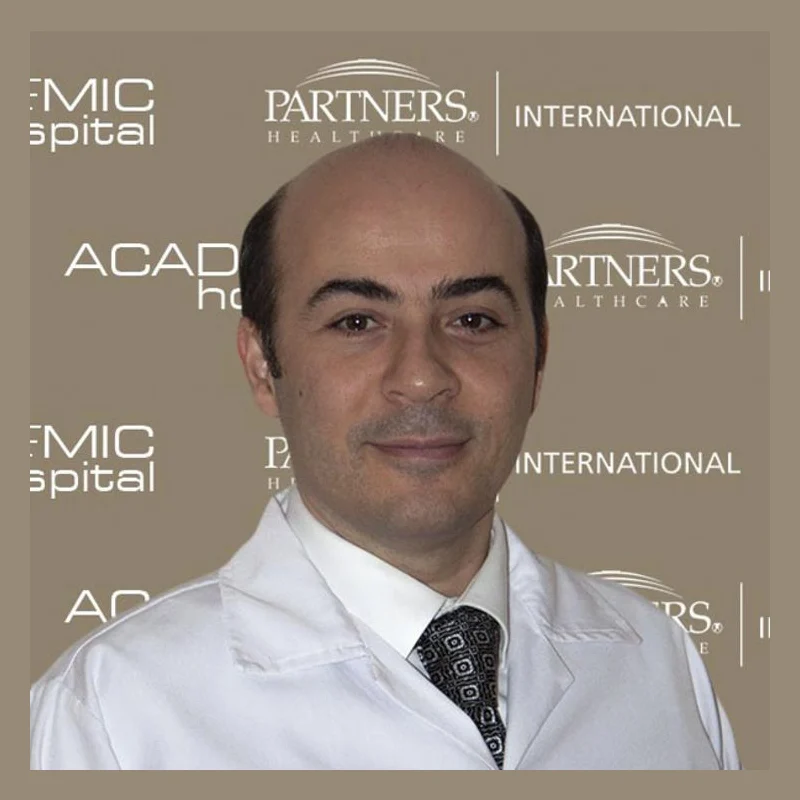
Op. Dr. Fikret Düşünceli
General SurgeryVerified
- 36+years exp.
English · Turkish
FromPrice on request
Free quote
60 seconds · no obligationView Profile
What a parathyroidectomy is, how targeted and bilateral neck exploration remove overactive parathyroid glands, what clinical evidence says about cure rates for primary hyperparathyroidism, approximate surgery costs in Turkey compared with the UK, US and Germany, who is a suitable candidate, recovery milestones, hypocalcaemia risks, and questions to ask an endocrine surgical team.
A written plan with the surgeon's name and the full price — usually within 24 hours.

1 doctor Compare doctors, ratings and prices — ask any of them for a free quote.
General SurgeryVerified
English · Turkish
60 seconds · no obligationView Profile
A parathyroidectomy is a surgical operation to remove one or more of the four parathyroid glands located behind the thyroid in the neck. These tiny glands regulate calcium and phosphate in the blood by releasing parathyroid hormone (PTH). When a gland develops a benign tumour (an adenoma) or enlarges through hyperplasia, it overproduces PTH. This condition, called primary hyperparathyroidism, strips calcium from bones into the bloodstream, leading to kidney stones, osteoporosis, fatigue, bone pain, and digestive issues. Surgical excision is the only definitive cure.
In modern endocrine surgery, parathyroidectomy in Turkey relies on high-resolution ultrasound, Sestamibi nuclear scans, and intraoperative hormone monitoring to excise the faulty tissue safely. Because parathyroid glands sit next to the thyroid and vocal cord nerves, surgical precision is essential. To understand how neck operations fit into international care, explore our general surgery treatments in Turkey and our guide to thyroidectomy.
The procedure is carried out under general anaesthesia and takes between 45 and 90 minutes. Modern surgical protocol follows five key stages:
The clinical evidence confirms that does parathyroidectomy work with exceptional success. Data from the British Association of Endocrine and Thyroid Surgeons (BAETS) and international registries demonstrate cure rates exceeding 95 to 98 percent for solitary adenomas.
Removing the overactive gland normalises serum calcium and parathyroid hormone immediately. Long-term studies show that bone mineral density improves significantly over the first one to two years, reducing fracture risks. Kidney stone formation drops sharply, and patients report substantial relief from chronic fatigue, brain fog, and muscle aches.
However, surgery cannot reverse existing chronic kidney damage or long-standing joint wear. In two to four percent of cases, hyperparathyroidism persists or returns, usually because an ectopic gland was hidden elsewhere in the neck or chest, or unsuspected multigland disease was present. Pre-operative scanning and intraoperative hormone verification minimize these risks.
The parathyroidectomy cost depends on whether your condition requires targeted single-gland removal or four-gland bilateral exploration, along with anaesthesia and hospitalisation duration. The table below outlines honest approximate ranges across different healthcare systems. These figures reflect general market estimates rather than fixed hospital charges.
| Country | Approximate cost range |
|---|---|
| Turkey | €2,200 – €5,500 |
| United Kingdom | €5,000 – €11,500 |
| United States | €9,000 – €22,000 |
| Germany | €4,500 – €10,000 |
The total parathyroidectomy price varies according to surgeon expertise, operating theatre time, and whether nuclear medicine imaging is performed on-site. Hospital packages in Turkey typically cover pre-operative consultations, surgical and anaesthetist fees, rapid intraoperative hormone assays, one or two nights of inpatient observation with calcium monitoring, and airport transfers. You can receive an individualized medical review by submitting your recent lab tests through our free quote service.
Surgical strategy depends on pre-operative scans and whether one or several glands are affected. Non-surgical surveillance is reserved for specific circumstances.
| Approach | Best suited to | Typical limits |
|---|---|---|
| Minimally invasive parathyroidectomy (MIP) | Single adenoma confirmed by two matching pre-operative scans | Unsuitable if multiple glands are enlarged or imaging is inconclusive |
| Bilateral neck exploration (four-gland) | Multigland hyperplasia, negative imaging, or hereditary syndromes (MEN1) | Requires exploring both sides of the neck through a slightly wider incision |
| Medical surveillance and calcimimetics | Patients unfit for anaesthesia or with mild, asymptomatic disease | Controls calcium temporarily but does not cure the underlying tumour |
When thyroid nodules accompany parathyroid disease, surgeons can address both conditions simultaneously, such as performing a subtotal thyroidectomy during the same operation. For rare genetic conditions affecting multiple endocrine glands, specialists also evaluate related organs, including adrenal protocols such as an adrenalectomy.
Surgery is recommended for patients with confirmed primary hyperparathyroidism who meet international clinical guidelines. Suitable candidates include those with:
Conversely, surgery is not appropriate for patients with familial hypocalciuric hypercalcaemia (FHH), a genetic trait that produces high blood calcium without clinical harm, which does not improve after surgery. Patients with uncorrected vitamin D deficiency, severe unmanaged cardiovascular disease, or mild asymptomatic elevation without organ damage may also be advised against immediate surgery.
In endocrine surgery, "before and after" results are evaluated through blood chemistry and clinical symptoms rather than aesthetic transformation. Within 24 hours of successful surgery, calcium and PTH levels drop back to normal physiological ranges.
Most patients experience noticeable symptom relief during the initial recovery weeks. Chronic exhaustion, mental fog, and sleep disruptions frequently improve as blood chemistry stabilizes. Over the subsequent 12 to 24 months, skeletal remineralisation increases bone density and significantly lowers future fracture risks.
It is vital to maintain realistic expectations. Surgery cures the hormonal disturbance, but it cannot repair established joint arthritis or chronic renal damage. Cosmetically, the small incision fades over six to twelve months into a pale, subtle line hidden within natural skin folds.
International patients travelling for a parathyroidectomy Turkey procedure generally stay five to seven nights to complete evaluation, surgery, and essential calcium safety checks.
Parathyroid surgery is safe when performed by experienced teams, but recognized surgical risks exist. Guidelines from the NHS and international surgical societies highlight the following complications:
The most important factor in parathyroid surgery safety is the operative volume of your surgeon. Professional guidelines recommend choosing an endocrine specialist who completes at least 20 to 50 parathyroidectomies each year, as high volume directly correlates with higher cure rates and lower complication risks.
Ensure the hospital uses intraoperative rapid parathyroid hormone testing and frozen section histology to verify cure before finishing surgery. To understand our patient coordination pathway, review how it works before booking your trip.
Red flags include clinics that do not perform intraoperative PTH assays, surgeons who promise a zero-risk operation, hospitals without a structured post-operative calcium testing protocol, and coordinators who press for immediate payment without reviewing your endocrinology reports.
A parathyroidectomy is a surgical procedure to remove one or more overactive parathyroid glands. These small glands regulate calcium in the bloodstream. When a benign tumour or enlargement causes hyperparathyroidism, the excess calcium extracted from bones can cause kidney stones, osteoporosis, and severe fatigue. Surgery is the only curative treatment.
Yes, clinical research confirms cure rates above 95 to 98 percent for solitary adenomas. Removing the overactive gland immediately normalises blood calcium and parathyroid hormone levels. Over the following months, bone mineral density improves, kidney stone formation declines sharply, and symptoms such as chronic fatigue and mental cloudiness resolve.
A parathyroidectomy in Turkey typically costs between €2,200 and €5,500, compared with €5,000 to €11,500 in the UK. The price depends on whether targeted surgery or bilateral exploration is needed, intraoperative hormone testing, and inpatient observation days. Hospital packages generally include pre-operative evaluations, surgery, hospital stay, and airport transfers.
Results are measured biochemically rather than cosmetically. Before surgery, patients face high calcium, fatigue, and bone loss. Afterward, calcium normalises within hours and energy improves within weeks. Bone density steadily rebuilds over one to two years. Cosmetically, the small collar incision heals into a fine, discreet line along a natural neck fold.
Minimally invasive parathyroidectomy focuses on a single identified gland through a two to three centimetre incision, using rapid intraoperative hormone tests to confirm cure. Bilateral open exploration inspects all four glands through a slightly wider incision, which is necessary when scans are inconclusive or multiple glands are enlarged.
Most patients leave the hospital within 24 to 48 hours and return to light everyday routines and desk work after seven to ten days. Strenuous physical exertion and heavy lifting should be avoided for three to four weeks. Full physical energy and normal stamina typically return over one to two months.
The operation itself is performed under general anaesthesia so you feel no discomfort. Afterwards, patients usually report mild neck soreness, throat tightness, or minor pain when swallowing, similar to a sore throat. This discomfort is typically mild and well managed with standard over-the-counter or prescription painkillers for a few days.
Temporary low calcium (hypocalcaemia) can occur as remaining glands wake up or bones rapidly reabsorb calcium. Common symptoms include tingling around the mouth, numbness in the fingers or toes, and muscle cramps. Doctors routinely prescribe oral calcium and vitamin D supplements following surgery to prevent and control these symptoms.
Yes, for the vast majority of patients with a solitary parathyroid adenoma, surgical excision provides a permanent lifelong cure. Recurrence occurs in fewer than two to four percent of cases, typically in patients with hereditary endocrine conditions such as multiple endocrine neoplasia or progressive four-gland disease requiring ongoing endocrinology monitoring.
Most patients stay in Turkey for five to seven nights. This timeframe allows sufficient time for pre-operative imaging checks and blood panels, the surgical procedure, overnight inpatient calcium observation, post-operative wound inspection, and final clinical clearance before boarding your return flight home safely.
Your request is in!
Your coordinator will contact you — usually within 2 hours, 24/7.
Want a faster, more accurate assessment?
Add photos & medical detailsLeave your number — a coordinator calls you in your language, usually within 15 minutes during office hours.
Thank you!
A coordinator will contact you at the time you chose.

