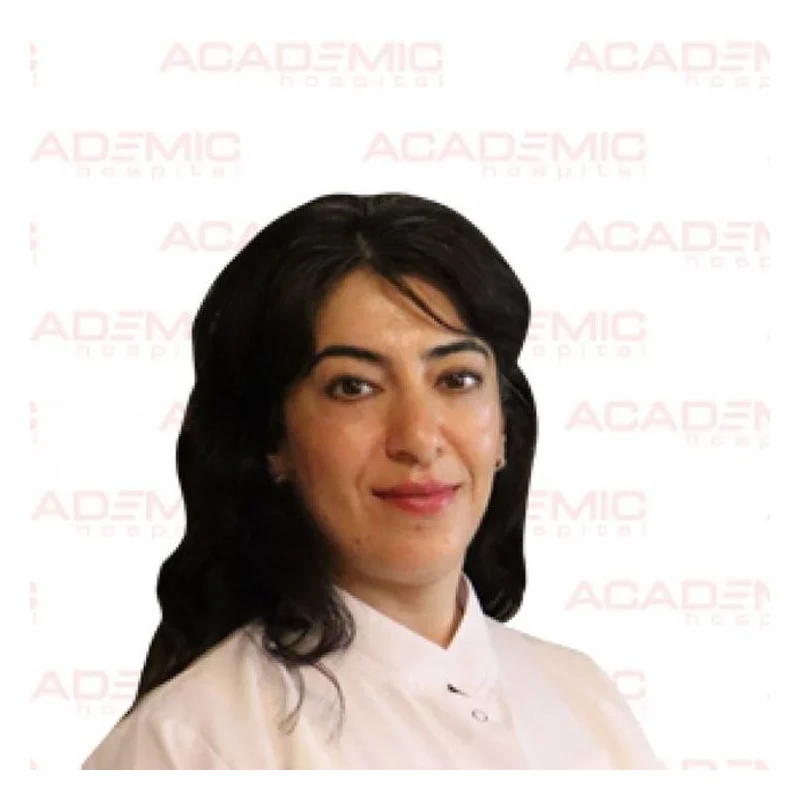
Dr. Aysun Ertaş
Check-ups & DiagnosticsVerified
- 23+years exp.
English · Turkish
FromPrice on request
Free quote
60 seconds · no obligationView Profile
Health check-ups in Turkey are structured packages of examinations, blood tests and imaging that look for early signs of disease. This guide explains how basic, gender-specific, cardiac, oncological and full-body check-ups differ, who they suit, what a visit involves, what affects the price and how to request a free quote.
A written plan with the surgeon's name and the full price — usually within 24 hours.

2 doctors Compare doctors, ratings and prices — ask any of them for a free quote.
Check-ups & DiagnosticsVerified
English · Turkish
60 seconds · no obligationView Profile
Check-ups & DiagnosticsVerified
English · Turkish
60 seconds · no obligationView Profile
A health check-up is a planned set of examinations, laboratory tests and sometimes imaging that gives a doctor an overview of your health and looks for early signs of disease. Hospitals in Turkey offer packages for different ages and goals. The basic check up is the starting point, with a physical examination, blood and urine tests and a review of your history. Wider packages add more tests, such as electrocardiography, ultrasound, chest imaging and specialist consultations. Full-body packages combine many of these in one or two days.
The category also includes check-ups focused on one system, for example cardiac check-ups, gastroenterological check-ups, bone and joint screening, and oncological check-ups for women and men. Packages for children and for women over 40 are designed around age-specific risks. All of them are listed on the Check-ups & Diagnostics treatments in Turkey page.
A check-up is useful if you have not had a full assessment for some time, if you are approaching an age at which screening is recommended, or if a family history makes you want a closer look at a specific system. It is not a replacement for medical care when you have symptoms, and symptoms should be discussed with a doctor rather than waited out.
Ways to narrow the choice:
More tests are not always better. Imaging that uses radiation or tests with a high chance of false alarms should be chosen for a reason, so ask the doctor why each test is included.
Most check-ups take from half a day to two days, depending on the package. You may be asked to fast overnight for blood tests and to stop certain medicines beforehand; the hospital will send instructions. Tests are usually arranged in sequence so that you move between departments with a coordinator or a nurse. The appointment often ends with a consultation in which the doctor goes through the findings.
Some results are ready the same day, while laboratory and pathology reports can take a few days. You will receive a written report and copies of images that you can take to your own doctor. If something abnormal is found, the doctor will explain whether more tests, treatment or simply monitoring is advisable. Because most check-ups need no recovery time, many people combine them with a short stay of one or two nights.
The price depends on the number and type of tests in the package, whether imaging such as MRI or CT is included, the number of specialist consultations and the hospital. Packages for women, men or a specific organ include tests chosen for that purpose, so they differ in cost. Quotes are only comparable when you can see a list of what is included, such as the individual blood tests, the type of ultrasound, the imaging and the doctor's report. Ask whether extra tests ordered during the visit are charged separately and how the hospital will tell you before it adds them.
The hospitals on our site are licensed by the Turkish Ministry of Health and authorised for health tourism. A responsible hospital gives you a written list of the tests in the package, names the departments involved and explains how results and images will be shared. Check that the laboratory and imaging departments are part of the hospital or have a stated partner, that the report is in a language you can read and that a doctor will go through it with you. Be careful with promises to detect every disease, because no check-up can do that.
Tell us your age, sex, medical history, current medicines and what you would like to check, and send any previous test results. When you request a free quote, a hospital reviews your information and sends a written plan that lists the tests, the departments, the number of days and what is included. There is no pre-payment to us and our service is free for patients. You decide whether to go ahead, and you pay the hospital directly.
Usually a physical examination, blood and urine tests, blood pressure, an electrocardiogram and a consultation to review the results. The exact list varies by hospital, so ask for the written list of tests before you book.
Most full-body packages take one to two days because tests, imaging and specialist consultations are done in sequence. Some results arrive the same day and laboratory reports may follow within a few days.
Often yes for blood tests, usually for eight to twelve hours, but follow the instructions your hospital gives you. Ask whether you should pause any regular medicines on the day.
Check-ups for women add gynaecological and breast examinations, and those for men usually add prostate and related tests. Both include general blood tests, heart assessment and a doctor's review of the findings.
There is no single age. Many people begin a regular assessment in their thirties or forties, earlier with a family history. National screening guidelines in your country are a useful reference, and a doctor can adapt them to you.
Yes. Paediatric check-ups assess growth, development, vision, hearing and general health, and a paediatrician reviews the results with the parents. Tests are chosen to suit the child's age and avoid unnecessary procedures.
The doctor explains the finding and suggests the next step, which may be further tests, treatment or monitoring. You get a written report so you can continue care with your own doctor, or ask the hospital for a treatment plan.
Your request is in!
Your coordinator will contact you — usually within 2 hours, 24/7.
Want a faster, more accurate assessment?
Add photos & medical detailsLeave your number — a coordinator calls you in your language, usually within 15 minutes during office hours.
Thank you!
A coordinator will contact you at the time you chose.