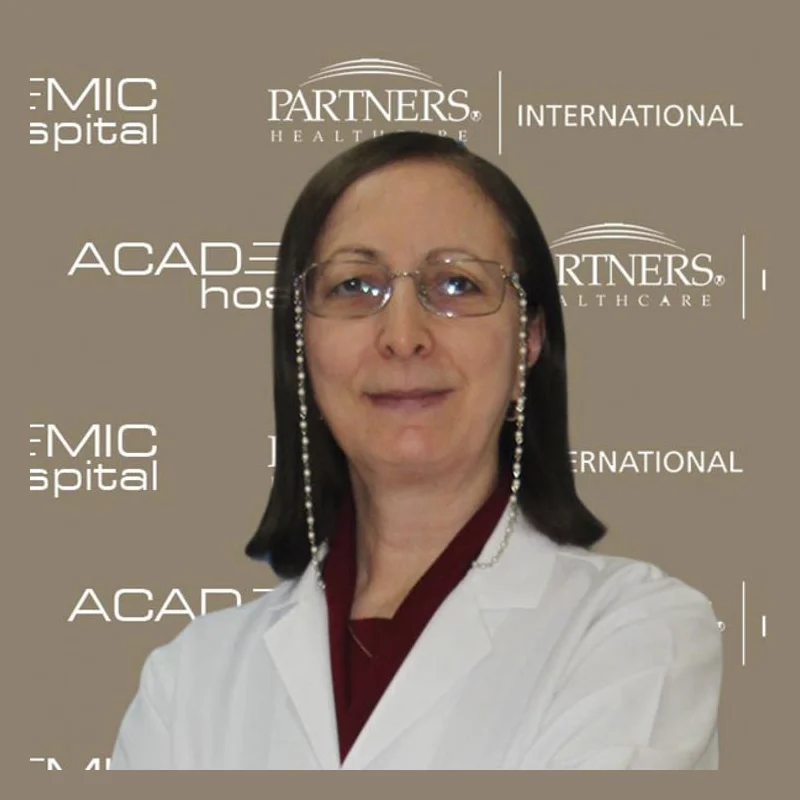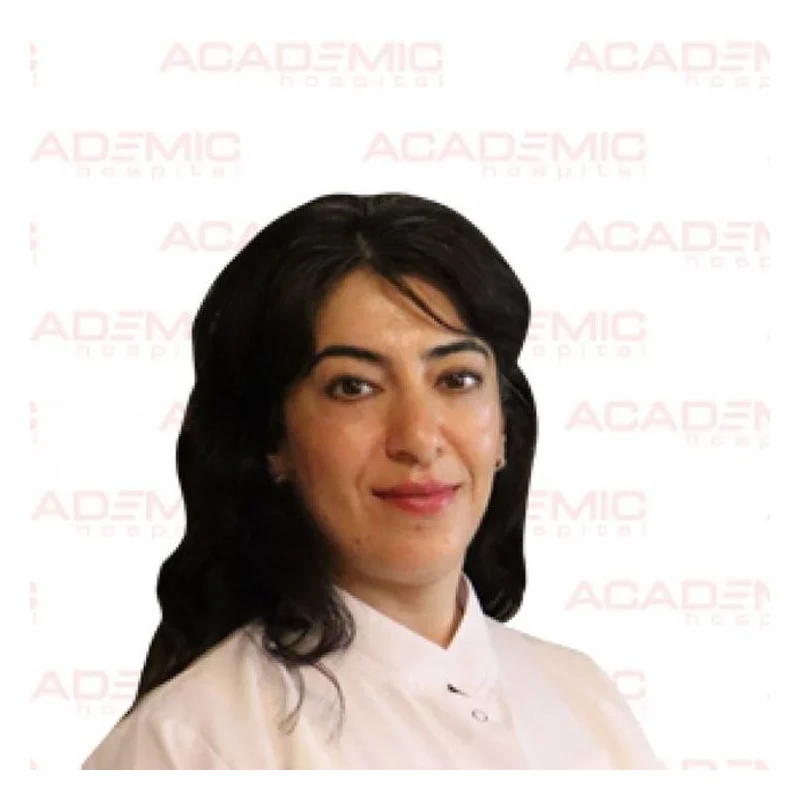
Dr. Aysun Ertaş
Check-ups & DiagnosticsVerified
- 23+years exp.
English · Turkish
FromPrice on request
Free quote
60 seconds · no obligationView Profile
Biopsy in Turkey covers breast and thyroid biopsy, fine needle aspiration, core needle biopsy, punch biopsy and frozen section biopsy. This page explains how the methods differ, when each is used, what the trip and result times look like, what affects the price and how to ask for a free written plan.
A written plan with the surgeon's name and the full price — usually within 24 hours.

2 doctors Compare doctors, ratings and prices — ask any of them for a free quote.
Check-ups & DiagnosticsVerified
English · Turkish
60 seconds · no obligationView Profile
Check-ups & DiagnosticsVerified
English · Turkish
60 seconds · no obligationView Profile
A biopsy is the removal of a small sample of tissue or cells so that a pathologist can examine it under a microscope. Biopsy in Turkey is offered as part of diagnostic work-ups in licensed hospitals, often together with imaging and blood tests. The procedures on our site are the general biopsy, breast biopsy, thyroid biopsy, fine needle aspiration biopsy, core needle biopsy, frozen section biopsy and punch biopsy. A biopsy does not treat a condition; it provides the diagnosis on which treatment is planned.
The methods differ in how the sample is taken and how much tissue it gives. A fine needle aspiration uses a thin needle to draw out cells. A core needle biopsy uses a wider needle to take a small cylinder of tissue, which shows its structure. A punch biopsy takes a small round piece of skin. A frozen section biopsy is different: tissue taken during an operation is examined within minutes so that the surgeon can decide what to do next. Breast and thyroid biopsies describe the organ sampled, usually with a needle under ultrasound guidance. For the wider field, see our overview of Check-ups & Diagnostics treatments in Turkey.
A biopsy is usually advised after a scan or examination has found something that needs explaining, such as a lump in the breast or neck, a thyroid nodule, a skin lesion or an area seen on imaging. It may also be used to confirm a diagnosis made elsewhere, or to obtain a second opinion on slides that already exist.
You do not normally choose the method yourself. The doctor selects it from the size and position of the abnormality, the organ involved and the question to be answered. A fine needle sample may be enough for a thyroid nodule, while a breast lump often needs a core sample, and a skin lesion calls for a punch or a small surgical removal. If you already have slides or tissue blocks from a biopsy, a second review of these by another pathologist can sometimes avoid a repeat procedure, so ask your own hospital whether they can be released.
Most needle and punch biopsies take minutes and are done under local anaesthetic, so the procedure itself is short. A typical trip includes a consultation, imaging if it has not been done, the biopsy, and a wait for the pathology report. The report may take a few days or longer if special tests are needed,.
After a needle biopsy you may have some bruising, tenderness or a small dressing, and you can usually return to normal activity quickly, as your doctor advises. Ask for the pathology report, the slides if a second review is planned, and the imaging, and agree beforehand who will explain the result to you and what the next steps would be.
The price of a biopsy depends on the method, the organ sampled, whether imaging guidance such as ultrasound is used, the number of samples, the pathology tests required, and the consultation and report included.
A written plan should list the procedure, the imaging, the pathology work and the report, so you can compare offers on the same basis.
A biopsy is only as good as the reading of the sample. Before you accept a plan, ask for the following in writing:
The hospitals we work with are licensed by the Turkish Ministry of Health and authorised for international patients, but you should still ask these questions and expect direct answers.
Asking for a plan is free. You send your reports, scans and questions through the free quote form. A team at a licensed hospital reviews them and, if the case is suitable, returns a written plan with the proposed procedure, the doctor, the expected time to the result and the full cost. If more tests are needed first, the plan says so.
You then decide at your own pace. Nothing is paid to us, and you pay the hospital directly under the terms of its written plan. A coordinator helps with appointments, transfers and questions before, during and after your stay, and you are free to compare the plan with other offers or with your own doctor's advice.
A biopsy removes a small sample of tissue or cells so that a pathologist can examine it under a microscope. It provides a diagnosis; it is not a treatment.
Fine needle aspiration uses a thin needle to draw out cells. A core needle biopsy uses a wider needle to take a small cylinder of tissue that shows its structure. The doctor chooses according to the organ and the question to be answered.
It is a rapid examination of tissue taken during an operation, usually within minutes, so the surgeon can decide what to do next. A full report follows later.
A punch biopsy takes a small, round piece of skin using a hollow circular blade under local anaesthetic. It is used to diagnose skin lesions and rashes.
It depends on the tests needed. A report may take a few days, and longer if special stains or molecular tests are required. The hospital can give an expected time in the written plan.
Often yes. Another pathologist can review the slides or tissue blocks, which may avoid a repeat biopsy. Ask the hospital that did the first biopsy whether it can release them.
No. Requesting a plan is free, there is no pre-payment to us, and you pay the hospital directly according to its written plan.
Your request is in!
Your coordinator will contact you — usually within 2 hours, 24/7.
Want a faster, more accurate assessment?
Add photos & medical detailsLeave your number — a coordinator calls you in your language, usually within 15 minutes during office hours.
Thank you!
A coordinator will contact you at the time you chose.