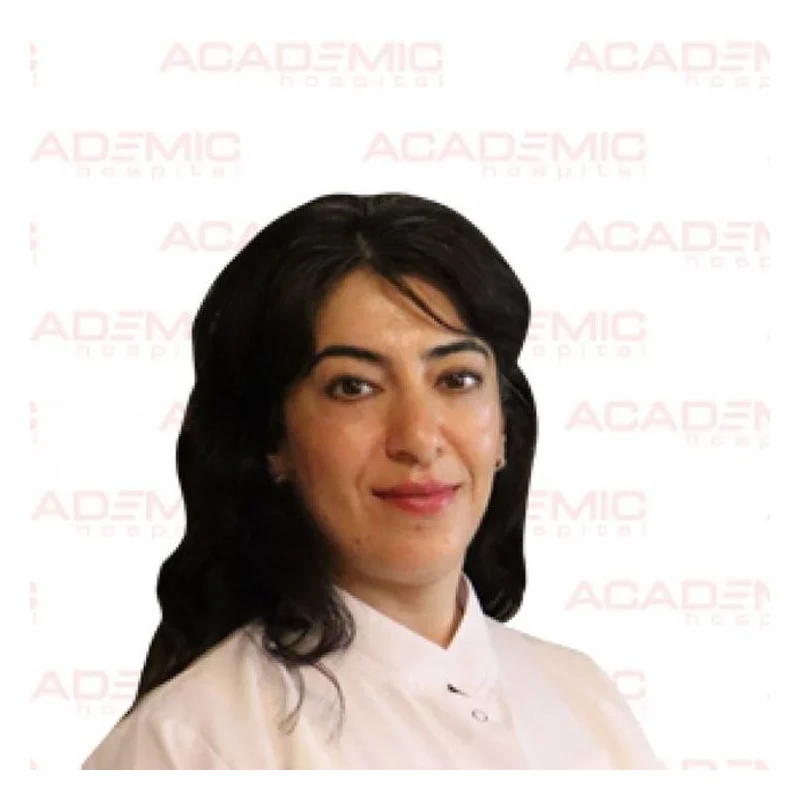
Dr. Aysun Ertaş
Check-ups & DiagnosticsVerified
- 23+years exp.
English · Turkish
FromPrice on request
Free quote
60 seconds · no obligationView Profile
Functional tests look at how an organ works rather than only how it looks. In Turkey this category includes the barium X-ray of the large intestine, which outlines the colon on X-ray images. This page explains what the test shows, who may need it, how to prepare, what the trip involves and how to request a plan.
A written plan with the surgeon's name and the full price — usually within 24 hours.

2 doctors Compare doctors, ratings and prices — ask any of them for a free quote.
Check-ups & DiagnosticsVerified
English · Turkish
60 seconds · no obligationView Profile
Check-ups & DiagnosticsVerified
English · Turkish
60 seconds · no obligationView Profile
A functional test is a diagnostic examination that studies how part of the body behaves, not only what it looks like on a still picture. Doctors use them to investigate symptoms, to follow a known condition, or to answer a specific question that a blood test or a standard scan cannot. On our site this category currently covers the barium X-ray of the large intestine, sometimes called a barium enema.
It belongs to the wider group of tests listed under Check-ups & Diagnostics treatments in Turkey, alongside general check-up programmes and imaging. Because there is one test in this category, this page explains it in some depth and also describes how it fits with the other ways of examining the bowel.
For this test, a contrast liquid containing barium sulphate is passed gently into the large intestine through the rectum. Barium shows up clearly on X-ray, so it coats the lining of the colon and outlines its shape. In many centres a little air is added as well, which widens the bowel and lets the radiologist see the lining in finer detail. Images are taken from several angles while you change position on the table, and the radiologist may watch the movement of the contrast on a screen.
The test can show narrowing, pouches in the bowel wall called diverticula, polyps of larger size, and signs of inflammation or blockage. It is less often chosen today than a colonoscopy, which lets the doctor look inside directly and take a tissue sample, but it remains useful in particular situations.
A doctor may suggest a barium X-ray if you have long-standing constipation or diarrhoea, change in bowel habit, unexplained abdominal pain or bleeding that has already been looked at by a specialist. It is not a general screening test for people without symptoms. It also cannot replace a colonoscopy when a biopsy or removal of a polyp is needed.
The test is not suitable if you are pregnant, or if a doctor suspects a tear in the bowel wall or severe active inflammation of the colon. If you are unsure which test fits your situation, send your records and symptoms with your enquiry and the hospital will advise.
The bowel must be empty for the pictures to be clear. You will normally be asked to follow a clear-fluid or low-residue diet for a day or so and to take a laxative preparation as directed by the hospital. The examination itself usually takes under an hour. It can feel uncomfortable, with bloating and a sense of needing to pass a motion, but it is not usually painful.
Afterwards you can usually eat and drink as normal and return to your day. Barium can make stools pale or white for a day or two and may cause constipation, so you should drink plenty of fluids and tell the hospital if you cannot pass a stool. Severe pain, fever or bleeding should be reported at once.
The cost depends on the hospital, the type of imaging equipment, whether the test is done with air as well as barium, and whether a radiologist's written report and a consultation are included. To compare offers fairly, ask each hospital to list what is included and who reads and signs the images.
Choose a hospital licensed by the Turkish Ministry of Health, with a radiology department that has a named consultant radiologist. Ask who reports the examination and how the report will be sent to you. It is reasonable to ask for your images on a disc or by secure link so that your own doctor can review them at home.
Describe your symptoms, send any earlier reports or scans, and tell us whether you want this test alone or as part of a wider check-up. A hospital reviews your information and replies with a written plan naming the doctor or department, the test, the preparation instructions, what the fee covers and how long you would need to stay. It is a free quote and carries no obligation. If the hospital thinks a different test would suit you better, it will say so in the plan.
Once you decide to go ahead, our team helps with appointments, preparation instructions and travel questions. You can ask for a free quote at any time, and you can request a plan for several tests together if you want a fuller picture of your health.
It is an X-ray examination in which a barium liquid is passed into the colon through the rectum. Barium shows on X-ray, so the radiologist can see the outline and lining of the large intestine.
It is not usually painful, but it can be uncomfortable. You may feel bloating, cramping or the urge to pass a motion while the colon is filled. These feelings pass soon after the test ends.
The bowel must be empty. You will normally follow a clear-fluid or low-residue diet and take a laxative as instructed by the hospital. Follow their written instructions exactly and tell them about any medicines you take.
Neither is better for everyone. A colonoscopy gives a direct view and allows biopsy or polyp removal. A barium X-ray shows the colon's outline, needs no sedation and may suit people who cannot have a colonoscopy.
Common effects are constipation and pale or white stools for a day or two. Drink plenty of fluids. Seek medical help for severe abdominal pain, fever, bleeding or if you cannot pass a stool.
The examination itself usually takes under an hour, though preparation takes longer. Many hospitals can report the results the same or the next day, so ask about timing when you request a plan.
It is generally avoided in pregnancy and when a tear in the bowel wall or severe active colitis is suspected. Your doctor will review your history and may recommend another test instead.
Your request is in!
Your coordinator will contact you — usually within 2 hours, 24/7.
Want a faster, more accurate assessment?
Add photos & medical detailsLeave your number — a coordinator calls you in your language, usually within 15 minutes during office hours.
Thank you!
A coordinator will contact you at the time you chose.