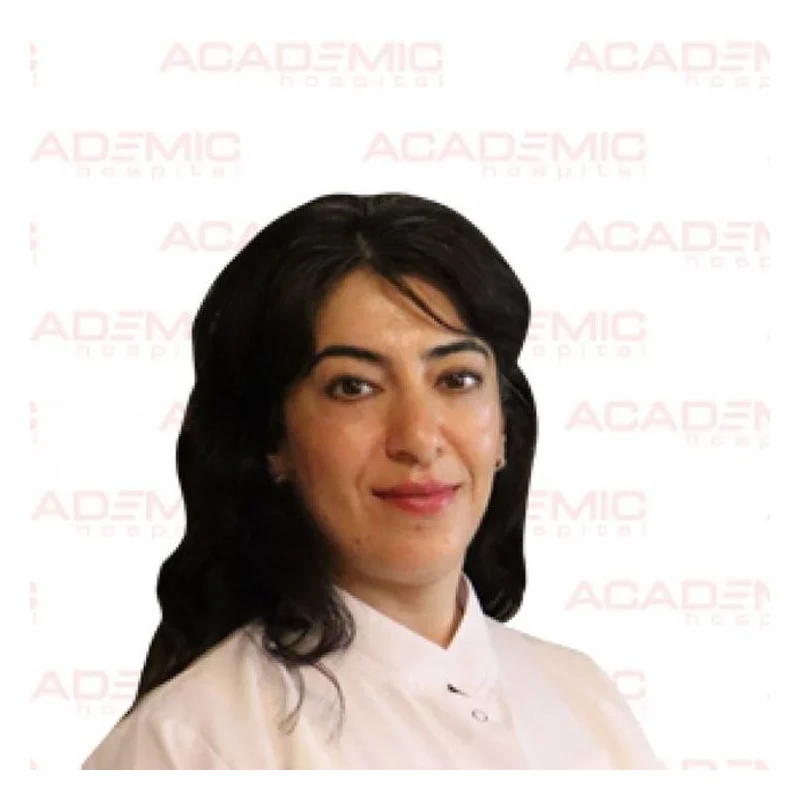
Dr. Aysun Ertaş
Check-ups & DiagnosticsVerified
- 23+years exp.
English · Turkish
FromPrice on request
Free quote
60 seconds · no obligationView Profile
A complete guide to a check-up for children in Turkey: what paediatric examinations, growth assessments and laboratory screenings include, what clinical evidence says about routine checks, approximate package costs compared with the UK, US and Germany, how blood tests and imaging are managed calmly for young patients, travel timelines, potential limitations and how to select an accredited hospital.
A written plan with the surgeon's name and the full price — usually within 24 hours.

2 doctors Compare doctors, ratings and prices — ask any of them for a free quote.
Check-ups & DiagnosticsVerified
English · Turkish
60 seconds · no obligationView Profile
Check-ups & DiagnosticsVerified
English · Turkish
60 seconds · no obligationView Profile
A check-up for children (also referred to as a paediatric health check or well-child assessment) is an outpatient medical evaluation conducted by a consultant paediatrician. Tailored to infants, young children, and teenagers, it monitors physical growth, developmental milestones, organ function, and nutritional balance. Rather than waiting for illness to appear, screening detects latent concerns early—such as iron-deficiency anaemia, vitamin gaps, posture issues, or unrecognised vision and hearing difficulties. Private hospitals in Turkey provide these structured assessments in dedicated paediatric departments, completing consultations, tests, and imaging in a single coordinated morning.
Children have distinct physiology; their vital signs, blood chemistry, and growth patterns differ from adults. Families travelling to Turkey often arrange a paediatric check-up while scheduling their own care, exploring checkup treatments in Turkey alongside a check up for women or a check up for men. This guide outlines how paediatric screening works, what clinical guidelines recommend, realistic costs compared with the UK, US, and Germany, and how child-friendly clinics keep young patients at ease.
A paediatric check-up is tailored to your child's age and health history. Accredited hospitals organise assessments into clear clinical components:
Routine chest X-rays and CT scans are excluded from wellness panels, as clinical guidelines advise against ionising radiation for healthy children without symptoms.
Clinical evidence supports regular developmental surveillance and targeted screening during childhood. Professional bodies, including the Royal College of Paediatrics and Child Health (RCPCH) and the American Academy of Pediatrics (AAP), advocate monitoring growth trajectories, blood pressure, vision, and developmental milestones.
Routine paediatric screening works reliably for identifying several asymptomatic conditions:
However, evidence does not support indiscriminate testing. Ordering extensive rare biochemical assays or routine imaging on healthy children increases false positives and creates anxiety. A sound check-up prioritises validated, high-yield screenings.
Paediatric check-up costs depend on age, panel breadth, and included imaging. The figures below reflect approximate market ranges for comprehensive paediatric packages, confirmed in a written quote.
| Country | Approximate cost range | Package details |
|---|---|---|
| Turkey | €250 – €650 | Paediatric exam, full bloods, urine analysis, abdominal ultrasound, ECG, English report |
| United Kingdom | €600 – €1,500 | Private consultation and standard bloods; ultrasound and specialist reviews extra |
| United States | €850 – €2,200 | Out-of-pocket paediatric exam and basic labs; imaging billed on separate facility fees |
| Germany | €500 – €1,300 | Self-pay paediatric check (IGeL), standard labs, developmental review; imaging extra |
Factors influencing the check-up for children cost include the choice between a core metabolic panel and an extended panel (with vitamins, ferritin, and allergy markers), and ultrasound inclusion. While check-up for children price ranges depend on specific clinic packages, in Turkey they generally cover hospital fees, testing, doctor consultations, English documentation, and clinic coordination. Travel and accommodation are arranged separately.
Because children's healthcare needs shift as they grow, hospitals structure programmes into age-bracketed protocols rather than a single checklist. The table below compares paediatric screening tiers alongside an adult basic check up:
| Programme | Target age group | Primary clinical focus | Typical limits & exclusions |
|---|---|---|---|
| Infant & Toddler Check-up | 6 months to 3 years | Growth percentiles, hip and abdominal ultrasound, motor milestones, diet | Does not replace statutory immunisation programmes; formal vision charts not feasible |
| School-Age Child Check-up | 4 to 11 years | Posture and spine, visual acuity, hearing, anaemia, fasting glucose, organ ultrasound | Excludes invasive imaging or endoscopy; designed for asymptomatic children |
| Adolescent Health Panel | 12 to 17 years | Pubertal development, metabolic health, thyroid profile, sports fitness, scoliosis | Requires adolescent assent; complex psychological conditions require separate specialists |
| Adult Basic Check-up | 18+ years | Cardiovascular risk, adult metabolic panels, chest radiography, resting ECG | Not calibrated for paediatric reference intervals or growth chart monitoring |
Infant packages prioritise congenital checks, hip development, and milestone timing. School-age panels focus on sensory fitness and posture for academic life. Adolescent panels examine hormonal progression, spinal alignment, and athletic participation.
A routine health check-up is designed for generally well children who need structured preventative evaluation. It suits:
Check-ups are not suitable for acute illnesses (such as sudden high fever, acute abdominal pain, or breathing difficulties), which require immediate hospital emergency care. Similarly, children with diagnosed complex chronic disorders (such as epilepsy, congenital heart defects, or severe developmental delays) should consult dedicated paediatric subspecialists directly.
Hospitals in Turkey catering to international families employ child-focused protocols to keep appointments calm and efficient. The visit typically takes two to four hours in the morning:
A patient coordinator guides you to the paediatric clinic at 08:30. The paediatrician talks calmly with parents and child, ensuring the child feels comfortable before beginning the examination.
Blood tests are collected while fasting. Paediatric phlebotomists use numbing creams or sprays, fine butterfly needles, and micro-collection tubes requiring minimal blood. Distraction methods help maintain a calm atmosphere.
Following blood collection, the child has breakfast. Non-invasive checks follow: vision screening, audiometry, and abdominal ultrasound using warmed gel, with parents present throughout.
Once laboratory values are processed, the paediatrician discusses all results with parents, explaining findings against paediatric reference ranges and answering questions.
Because a paediatric screening involves no surgery, incisions, or sedation, there is zero physical check-up for children recovery time. Once the blood test adhesive bandage is applied, children feel completely normal and can resume eating, sightseeing, and playing immediately.
When planning a check-up for children Turkey visit, a travel itinerary of two to three nights is recommended:
Children can fly safely on the same day as their tests if needed, as non-invasive assessments carry no flight-related medical restrictions.
Unlike surgical procedures where before-and-after refers to physical appearance changes, expectations for a paediatric check-up centre on diagnostic clarity, baseline health records, and preventative reassurance.
Realistic outcomes parents should expect:
What not to expect: A check-up does not prevent common childhood viral illnesses and cannot replace routine immunisations or regular ongoing care from your family doctor at home. It provides a comprehensive point-in-time assessment to support continuous care.
A paediatric wellness check-up is exceptionally safe, but parents should understand both the minor physical aspects and broader clinical considerations.
Physical safety risks are negligible. Aside from brief, mild discomfort and slight temporary bruising at the blood sampling site, procedures cause no harm. Experienced paediatric nurses ensure blood collection is quick and gentle.
The primary clinical consideration is avoiding over-investigation. When broad laboratory panels are performed on healthy individuals, statistical variation means occasional parameters may register slightly outside normal reference ranges without indicating disease. Inexperienced interpretation can generate unnecessary parental concern and lead to unwarranted follow-up tests.
Professional guidelines from the NHS and the American Academy of Pediatrics caution against non-indicated diagnostic testing in children. Accredited Turkish hospitals uphold these safety principles by avoiding unneeded ionising radiation (such as routine chest X-rays) and ensuring senior paediatricians evaluate laboratory values within the context of the child's overall wellbeing.
Choosing a reputable hospital ensures high clinical standards, safe laboratory practices, and a reassuring environment for your child. Key criteria include:
Red flags include clinics advertising whole-body scans or routine X-rays for asymptomatic children, clinics without paediatric specialists, and vague pricing. Read how it works and submit an enquiry through our free quote form.
Questions to ask the clinic before your visit:
A check-up for children is a structured health assessment conducted by a consultant paediatrician. It combines physical growth measurements, developmental evaluations, sensory screenings for vision and hearing, age-appropriate blood and urine tests, and abdominal ultrasound to assess overall organ health, identify nutritional deficiencies, and detect latent paediatric conditions early.
Yes, when focused on evidence-backed screenings. Clinical research shows routine paediatric checks effectively identify asymptomatic iron-deficiency anaemia, early visual deficits such as amblyopia, undetected heart murmurs, and scoliosis. However, paediatric guidelines emphasise avoiding unnecessary blood tests or radiation in healthy children, focusing instead on developmental tracking and preventative health.
A comprehensive paediatric check-up in Turkey typically ranges from €250 to €650, depending on the child's age, the breadth of laboratory parameters, and whether ultrasound scans or specialist consultations are included. Comparable private evaluations in the UK or the US often cost between €600 and €2,200 with imaging billed separately.
Rather than aesthetic changes, results provide an objective baseline of your child's health. Parents receive detailed growth percentile charts, laboratory blood and urine analyses, organ ultrasound findings, and personalised dietary or postural recommendations. The assessment offers clear medical reassurance or early guidance if an underlying issue requires attention.
There is no physical recovery period required. Paediatric health checks are non-invasive and do not involve anaesthesia or sedation. Aside from a tiny adhesive bandage over the venepuncture site, children feel perfectly normal and can immediately resume holiday activities, swimming, dining, and sightseeing with their family.
Examinations, ultrasound scans, vision tests, and hearing checks cause no physical discomfort. The only mild discomfort occurs during the routine blood draw. Accredited hospitals use paediatric phlebotomists trained in gentle handling, using numbing creams or sprays, ultra-fine butterfly needles, and distraction techniques to keep children calm and comfortable throughout the process.
The hospital appointment takes approximately two to four hours on a single morning. Most standard blood and urine results are reviewed with the paediatrician that same afternoon. The resulting baseline health report provides valuable medical documentation valid for twelve months, often satisfying international school admissions and youth sports participation requirements.
Yes, the assessment is exceptionally safe. Modern paediatric protocols avoid unnecessary ionising radiation such as routine X-rays, relying instead on safe ultrasound imaging and non-invasive developmental tools. Blood tests require only tiny paediatric sample volumes. The primary minor risk is brief, mild bruising at the site of the blood sample.
A standard school medical typically checks only basic height, weight, and distance vision without laboratory testing. In contrast, a comprehensive paediatric hospital check-up includes full metabolic blood panels, organ ultrasound, and an examination by a consultant paediatrician using pediatric-calibrated reference intervals, unlike adult screening panels that overlook child-specific developmental stages.
A stay of two to three nights in Turkey is ideal. This allows your child to complete all tests calmly during a single morning slot, spend the afternoon resting or enjoying the city, and return the following day for a final in-depth consultation and English medical report handover.
Your request is in!
Your coordinator will contact you — usually within 2 hours, 24/7.
Want a faster, more accurate assessment?
Add photos & medical detailsLeave your number — a coordinator calls you in your language, usually within 15 minutes during office hours.
Thank you!
A coordinator will contact you at the time you chose.