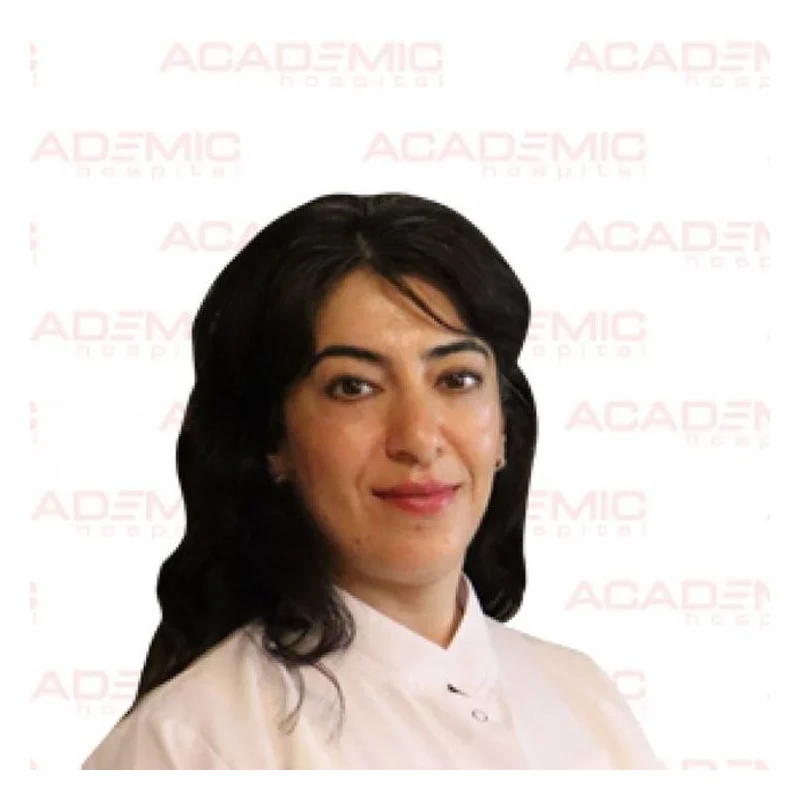
Dr. Aysun Ertaş
Check-ups & DiagnosticsVerified
- 23+years exp.
English · Turkish
FromPrice on request
Free quote
60 seconds · no obligationView Profile
What a check-up for women over 40 includes, from mammography and pelvic ultrasound to cardiovascular and hormone panels, what the evidence says about preventive screening, approximate costs in Turkey compared with the UK, US and Germany, how packages compare, realistic diagnostic results, trip schedules, risks of overdiagnosis and how to select an accredited hospital.
A written plan with the surgeon's name and the full price — usually within 24 hours.

2 doctors Compare doctors, ratings and prices — ask any of them for a free quote.
Check-ups & DiagnosticsVerified
English · Turkish
60 seconds · no obligationView Profile
Check-ups & DiagnosticsVerified
English · Turkish
60 seconds · no obligationView Profile
A check-up for women over 40 is an extensive preventive medical evaluation designed to detect health risks that accelerate during the fifth decade of life. From age 40, physiological shifts linked to perimenopause, declining bone mineral density, and higher risks of cardiovascular disease and hormonal cancers require targeted screening beyond basic annual blood panels. Hospitals in Turkey organise these packages to combine digital mammography, pelvic and thyroid ultrasound, metabolic profiles, hormone assays, and resting cardiac assessments into coordinated outpatient visits.
Rather than treating acute illness, structured screening identifies latent conditions, metabolic alterations, and early tissue changes before symptoms appear. Patients visiting diagnostic centres in Turkey typically complete testing within one to two consecutive days. What is a check-up for women over 40 designed for? It establishes an objective baseline and provides actionable guidance tailored to adult female physiology. This guide explains the tests involved, what clinical evidence supports, comparative costs across Turkey, the UK, the US, and Germany, realistic expectations, and how to assess clinics. For an overview of preventive packages across all ages, see our guide to checkup treatments in Turkey.
The screening follows a structured clinical sequence overseen by an internal medicine specialist. Testing begins in the morning after an overnight fast of 8 to 12 hours. Venous blood and urine specimens are collected first to establish baseline haematological, metabolic, lipid, renal, hepatic, and endocrine values before food intake or physical exertion alters circulating levels.
Patients then proceed to diagnostic imaging and functional examinations. Digital mammography assesses breast tissue density and identifies microcalcifications, often paired with breast ultrasound for dense glandular tissue. Pelvic ultrasound evaluates the endometrium, uterine structure, and ovaries for fibroids, polyps, or cysts. Cardiac diagnostics, including a 12-lead electrocardiogram (ECG) and often an echocardiogram, evaluate rhythm and heart muscle function. After scans and laboratory reports are ready, an internal medicine physician and a specialist gynaecologist conduct physical examinations and a detailed consultation to review every finding and discuss recommendations.
Clinical evidence strongly supports targeted screening for women over 40 when investigations align with proven epidemiological risks. Guidelines from organisations such as the UK National Institute for Health and Care Excellence (NICE) and the American College of Obstetricians and Gynecologists (ACOG) confirm that regular screening for breast changes, cervical cytological abnormalities, hypertension, lipid imbalances, and type 2 diabetes significantly enhances early detection. Identifying elevated fasting glucose, dyslipidaemia, or thyroid dysfunction enables lifestyle or pharmacological intervention before irreversible vascular or organ damage occurs.
However, evidence is more cautious regarding broad, unguided body scans or non-specific tumour markers in asymptomatic patients. The World Health Organization (WHO) notes that indiscriminate testing carries drawbacks. Blood tumour markers such as CA-125 are not reliable routine screening tests for asymptomatic women because benign conditions like uterine fibroids frequently elevate them, prompting unnecessary anxiety and invasive investigations. Evidence-based screening relies on validated imaging and targeted biomarkers rather than unselective battery testing.
The cost of a check-up for women over 40 in Turkey depends on imaging technology, cardiac assessments, bone densitometry (DEXA), and hormone panels. Packages generally cover all specialist fees, diagnostic imaging, blood tests, translated reports, a doctor consultation, and airport transfers.
| Country | Approximate cost range |
|---|---|
| Turkey | €450 – €1,600 |
| United Kingdom | €1,200 – €3,800 |
| United States | €2,200 – €6,500 |
| Germany | €1,100 – €3,500 |
In the UK, comprehensive private health assessments through independent clinics range from €1,200 to €3,800 depending on breast and cardiac imaging. In the US, self-pay executive physicals with imaging exceed €2,200 and often reach €6,500 when scans and specialist fees are billed separately. German private clinics charge €1,100 to €3,500 under official medical fee schedules. In Turkey, integrated hospital facilities offer equivalent diagnostics and multidepartmental reviews for €450 to €1,600. When comparing a check-up for women over 40 price, confirm whether the written quote covers all radiologist interpretations and follow-up consultations.
Choosing a health package depends on age, individual risk factors, and personal medical history. A basic check up focuses on standard blood counts, basic kidney and liver chemistry, fasting blood glucose, urinalysis, and a resting ECG, making it suitable for young, asymptomatic adults. A general check up for women under 40 adds cervical screening and pelvic ultrasound, but typically omits routine mammography or perimenopausal hormone evaluation. Male relatives travelling together often select a parallel check up for men focusing on urological and cardiovascular screening.
The 40+ women's package adds vital age-specific diagnostics: mammography, expanded endocrine panels (FSH, estradiol, TSH), bone densitometry, and advanced cardiovascular checks.
| Screening package | Best suited to | Typical limits |
|---|---|---|
| Basic check-up | Younger adults seeking a routine overview of blood chemistry and vital organ function | Lacks breast imaging, pelvic ultrasound, and hormone profiling |
| Check-up for women (under 40) | Women in their 20s and 30s needing gynaecological and general preventive evaluation | Omits mammography and perimenopausal endocrine monitoring |
| Check-up for women over 40 | Women aged 40 and older requiring breast, hormonal, bone, and cardiovascular screening | Not an emergency workup or substitute for chronic disease monitoring |
A comprehensive women over 40 health screening protocol covers four primary diagnostic domains:
A clean bill of health on an executive screening is reassuring, but understanding what diagnostic testing can and cannot achieve is essential. A check-up provides a detailed cross-sectional snapshot of your anatomical and physiological status at a specific moment. It is effective at identifying asymptomatic, treatable abnormalities—such as impalpable breast microcalcifications, silent gallstones, elevated blood pressure, early fatty liver changes, osteopenia, and pre-diabetic glucose levels—enabling early lifestyle and clinical adjustments.
What screening cannot do is guarantee permanent immunity from future illness or detect microscopic disease that does not produce measurable imaging changes or abnormal biomarkers. A normal mammogram confirms no suspicious lesions today, but regular future screenings remain necessary. Furthermore, routine check-ups do not replace urgent diagnostic investigations when overt symptoms exist. Anyone experiencing unexplained bleeding, persistent pain, or a newly palpable lump needs immediate targeted diagnostic care rather than a generalised wellness package.
A check-up for women over 40 is well suited to women entering perimenopause or menopause who want to establish objective baseline health metrics, those who have not had routine screening in several years, or individuals with a family history of breast disease, osteoporosis, cardiovascular illness, or thyroid dysfunction. It also suits international travellers seeking timely, coordinated preventive care without the lengthy waiting lists often found in domestic healthcare systems.
Conversely, a routine check-up is not suitable for individuals with acute, unexplained symptoms such as sudden chest pain, severe persistent abdominal pain, neurological changes, or rapid unexplained weight loss. These symptoms demand emergency or specialised hospital evaluation. Similarly, women undergoing active treatment for known malignancies or advanced chronic organ conditions require dedicated follow-up with their established clinical specialists rather than a general preventive check-up package.
Most hospitals organise a check-up for women over 40 in Turkey as a coordinated outpatient process requiring 2 to 3 days in Turkey. On Day 1, you arrive fasting in the early morning for registration, blood collection, and urine sampling. Diagnostic imaging—mammography, ultrasound, ECG, and DEXA scans—takes place during the morning. Once fasting tests are finished, a light breakfast is provided, followed by initial consultations with gynaecology and internal medicine specialists in the afternoon.
Day 2 focuses on laboratory analysis completion and the comprehensive exit consultation. The lead physician reviews all compiled imaging, pathology, and blood reports with you, provides translated documentation, and outlines personalised medical advice. Regarding check-up for women over 40 recovery, there is no physical downtime; you may have minor bruising from blood draws or slight breast tenderness after mammography, but you can immediately resume normal sightseeing, dining, and travel activities.
While preventive screening offers clear benefits, it carries recognised diagnostic limitations and psychological considerations. Healthcare bodies such as the NHS and the World Health Organization draw attention to "incidentalomas"—benign, harmless anomalies discovered incidentally on imaging that would never have caused symptoms or illness. Finding an incidental thyroid nodule, liver haemangioma, or simple kidney cyst can generate anxiety and lead to follow-up scans or invasive biopsies that carry discomfort and procedural risk.
Mammography also has a documented rate of false-positive results, where dense breast tissue or benign cysts mimic suspicious lesions, requiring recall imaging and core biopsies before benignity is confirmed. Similarly, overdiagnosis—detecting indolent lesions that might never have progressed—remains a known factor. Reputable diagnostic hospitals manage these limitations by adhering to standardised reporting frameworks (such as BI-RADS for breast imaging and TI-RADS for thyroid scans) and avoiding unnecessary whole-body CT scans that expose patients to unneeded radiation.
When arranging a check-up for women over 40 in Turkey, select a multidisciplinary tertiary hospital accredited by international organisations such as Joint Commission International (JCI) or the Turkish Ministry of Health's quality accreditation system. Accredited institutions maintain modern diagnostic radiology suites, automated clinical laboratories, and full-time faculty specialists across internal medicine, cardiology, gynaecology, and radiology.
Watch for key red flags:
Learn more about how it works and request an itemised medical itinerary through our free quote page.
A check-up for women over 40 typically includes digital mammography, breast and pelvic ultrasound, cervical screening, a resting ECG and echocardiography, thyroid ultrasound, and extensive blood panels covering liver, kidney, lipid, glucose, and hormone profiles. An internal medicine specialist and gynaecologist review all findings during detailed consultations.
Evidence from bodies like NICE and ACOG shows that targeted screening reliably detects early breast changes, cervical abnormalities, hypertension, pre-diabetes, and lipid disorders before symptoms emerge. Early intervention prevents disease progression. However, broad non-specific panels and unguided tumour markers are less useful and may cause unnecessary diagnostic concern.
A comprehensive package in Turkey generally costs between €450 and €1,600, depending on the imaging modalities and specialist consultations included. In the UK, equivalent private assessments range from €1,200 to €3,800, while in the US they often exceed €2,200 to €6,500. Hospitals provide exact written quotes.
Before your check-up, you fast overnight for 8 to 12 hours so blood tests remain accurate. Wear comfortable clothing without metal fasteners for imaging. Afterwards, you receive your compiled laboratory reports, imaging scans on digital media, and an in-person consultation explaining all findings alongside practical health recommendations.
There is virtually no physical recovery needed because the examinations are non-invasive. You might experience minor soreness from mammography compression or a slight bruise from the blood draw. Patients can immediately resume normal sightseeing, dining, and travel activities in Turkey as soon as tests conclude.
Most components—including blood draws, ultrasounds, ECGs, and bone density scans—are painless or cause only mild, brief discomfort. Mammography involves firm breast compression for several seconds per view, which can feel uncomfortable or temporarily tender, but radiographers adjust positioning to keep discomfort to a minimum.
Most international guidelines recommend annual or biennial screening for women over 40, depending on individual risk factors and family medical history. Mammography is typically scheduled every one to two years, while basic blood pressure, lipid, and glycaemic reviews are generally performed annually under your doctor's supervision.
Diagnostic screening is very safe. The radiation dose from modern digital mammography and DEXA scans is minimal and falls well within international safety limits. The primary consideration is the risk of incidental benign findings that may require follow-up clarification, which experienced physicians contextualise to avoid unnecessary worry.
A basic check-up evaluates general blood counts, basic biochemistry, urinalysis, and resting cardiac rhythm. The 40+ women's check-up adds essential age-specific investigations, including digital mammography, pelvic and breast ultrasound, bone density measurements, expanded cardiovascular evaluation, and perimenopausal endocrine panels that basic packages omit.
A stay of 2 to 3 days is ideal. Testing is completed on the morning of the first day, while laboratory processing, imaging interpretations, and final specialist consultations take place over the following 24 to 48 hours, leaving plenty of time to travel comfortably.
Your request is in!
Your coordinator will contact you — usually within 2 hours, 24/7.
Want a faster, more accurate assessment?
Add photos & medical detailsLeave your number — a coordinator calls you in your language, usually within 15 minutes during office hours.
Thank you!
A coordinator will contact you at the time you chose.