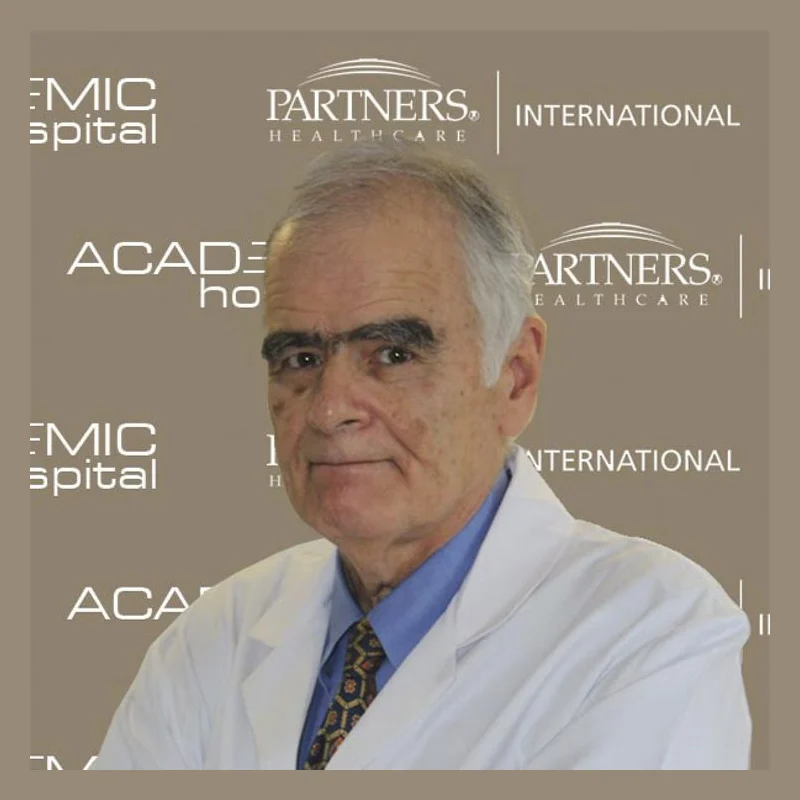
Prof. Dr. Hasan Yazıcı
RheumatologyVerified
- 52+years exp.
English · Turkish
FromPrice on request
Free quote
60 seconds · no obligationView Profile
Systemic amyloidosis is a disorder characterised by abnormal protein deposits accumulating in vital organs and tissues, including the heart, kidneys, and nervous system. It typically affects older adults, causing symptoms such as severe fatigue, shortness of breath, unexplained weight loss, and fluid swelling that prompt clinical evaluation. Personalised therapeutic strategies and treatment options depend on a detailed specialist assessment. Compare hospitals in Turkey that treat Systemic Amyloidosis and get a free review of your medical records.

1 doctor Compare doctors, ratings and prices — ask any of them for a free quote.
RheumatologyVerified
English · Turkish
60 seconds · no obligationView Profile
Systemic amyloidosis is a disorder characterised by abnormal protein deposits accumulating in vital organs and tissues, including the heart, kidneys, and nervous system. It typically affects older adults, causing symptoms such as severe fatigue, shortness of breath, unexplained weight loss, and fluid swelling that prompt clinical evaluation. Personalised therapeutic strategies and treatment options depend on a detailed specialist assessment.
Specialty: Rheumatology
The cost of treating Systemic Amyloidosis depends on the diagnosis and the treatment chosen. Doctors first review your medical records — free of charge — and you then receive an itemised quote.
Systemic Amyloidosis is treated by Rheumatology specialists. 1 clinic in Turkey on our platform offer this treatment.
Systemic amyloidosis is a complex, rare disorder caused by the build-up of misfolded proteins, known as amyloid fibrils, in tissues and organs throughout the body. Unlike localised forms, systemic amyloidosis circulates through the bloodstream, accumulating in vital structures such as the heart, kidneys, nervous system, gastrointestinal tract, and liver. Over time, these rigid protein deposits disrupt normal cellular architecture, leading to progressive organ dysfunction.
Because the disease can target multiple organ systems simultaneously, its presentation varies widely between individuals. Patients frequently experience generalised features long before a definitive diagnosis is established. Typical early and advancing symptoms include:
Given the multisystem nature of this condition, management frequently requires input from a multidisciplinary medical team led by specialists in Rheumatology, cardiology, nephrology, and hematology.
Achieving an accurate diagnosis of systemic amyloidosis requires demonstrating the presence of amyloid deposits and identifying the specific precursor protein involved. Hospitals in Turkey utilise comprehensive diagnostic pathways to differentiate between the primary types, such as light-chain (AL) amyloidosis, hereditary or wild-type transthyretin (ATTR) amyloidosis, and secondary (AA) amyloidosis.
When seeking diagnostic evaluation or a second opinion in Turkey, medical teams typically perform or review the following investigations:
International patients must bring complete medical records, including prior biopsy slides or paraffin blocks, recent imaging studies on digital media (DICOM format), laboratory results, and a detailed summary of past treatments.
Therapeutic strategies depend entirely on the specific underlying protein type, the extent of organ damage, and the overall fitness of the patient. Treatment focuses on stopping further abnormal protein production, stabilizing existing deposits, and supporting affected organs.
| Option | Typically Used When | Things to Know |
|---|---|---|
| Systemic Pharmacotherapy & Chemotherapy | AL amyloidosis to suppress plasma cell clone production | Regimens often combine targeted therapies, immunomodulatory drugs, or steroids to clear the underlying plasma cell disorder. |
| TTR Stabilisers & Silencers | Hereditary or wild-type transthyretin (ATTR) amyloidosis | Medications work by preventing the transthyretin protein from misfolding or by reducing its production in the liver. |
| Autologous Stem Cell Transplant | Selected patients with AL amyloidosis and good organ reserve | Requires intensive conditioning; eligibility depends on rigorous heart, kidney, and pulmonary function criteria. |
| Supportive Organ Management | All types of systemic amyloidosis showing organ impairment | Includes tailored diuretic regimens for heart or kidney involvement, combined with specialised dietary adjustments. |
In cases where severe inflammatory conditions drive secondary (AA) amyloidosis, controlling the underlying rheumatological or chronic inflammatory disorder is paramount. Patients presenting with complex digestive or liver involvement may be evaluated alongside Gastroenterology specialists, while severe renal involvement may prompt consultation with Urology or nephrology teams. Advanced organ failure occasionally necessitates evaluation for organ transplantation or targeted surgical interventions handled by General Surgery or cardiovascular teams.
Traveling abroad for systemic amyloidosis care requires precise planning due to the clinical fragility of many patients. The process begins with a remote records review by Turkish specialists to determine whether travel is clinically feasible and to outline an initial diagnostic or therapeutic proposal.
Patients should plan to stay in Turkey for a minimum of 10 to 14 days for initial diagnostic workups, staging, and treatment initiation. If undergoing complex systemic therapies, longer stays or multiple visits may be necessary. Before returning home, patients receive a clear discharge plan. Seamless coordination between the Turkish medical team and doctors in your home country is vital to monitor ongoing medication schedules, blood work, and organ function indicators safely.
International travel carries significant medical risks for individuals with advanced organ compromise. Travel is generally not advisable for patients with severe, uncompensated heart failure, unstable cardiac arrhythmias, advanced renal failure requiring unestablished dialysis facilities, or severe orthostatic hypotension that impairs mobility.
Immediate local medical attention is required if a patient experiences any of the following warning signs before, during, or after travel:
Final decisions regarding travel feasibility and treatment protocols are always made by the treating physician following a thorough direct clinical assessment and review of all diagnostic data.
AL amyloidosis stems from a bone marrow disorder producing abnormal light-chain proteins. ATTR amyloidosis involves the transthyretin protein produced in the liver, occurring either due to a genetic mutation (hereditary) or aging (wild-type). Diagnostics determine the exact type to select appropriate therapy.
Physicians confirm the diagnosis by performing a tissue biopsy, usually stained with Congo red dye to observe characteristic protein structures under a microscope. Additional blood tests, urine assays, cardiac MRI, or specialized bone scans identify the precursor protein and assess organ involvement.
Most international patients should plan to remain in Turkey for at least 10 to 14 days. This window allows the multidisciplinary team to complete diagnostic biopsies, laboratory analysis, cardiac imaging, and establish a personalized management plan.
Current treatments cannot reverse all existing tissue damage, so a complete cure is generally not promised. However, modern therapies can stop or significantly slow further protein deposition, manage organ symptoms, and help stabilize the condition.
Fitness to fly depends on your cardiac stability, fluid status, and overall organ function. Your treating physician will evaluate your condition post-treatment and advise when it is safe to travel, ensuring appropriate follow-up care is arranged at home.
Your request is in!
Your coordinator will contact you — usually within 2 hours, 24/7.
Want a faster, more accurate assessment?
Add photos & medical detailsLeave your number — a coordinator calls you in your language, usually within 15 minutes during office hours.
Thank you!
A coordinator will contact you at the time you chose.
