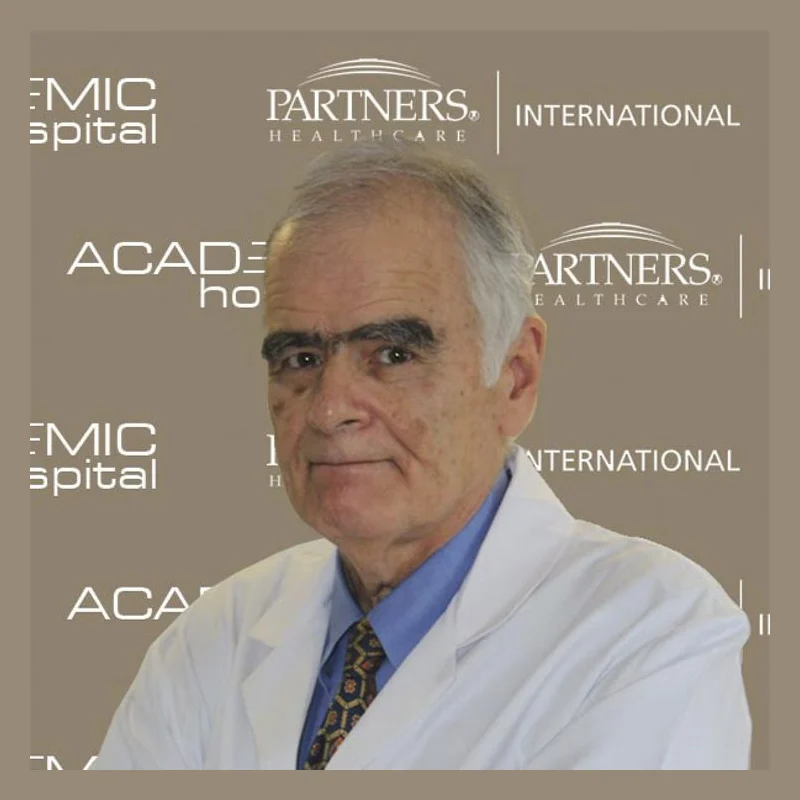
Prof. Dr. Hasan Yazıcı
RheumatologyVerified
- 52+years exp.
English · Turkish
FromPrice on request
Free quote
60 seconds · no obligationView Profile
Dermatomyositis is a rare inflammatory disease characterised by progressive muscle weakness and distinctive skin rashes, notably on the eyelids, knuckles, chest, and back. It can affect both children and adults, causing difficulty climbing stairs, lifting objects, or swallowing, which leads patients to seek care. Immunosuppressive therapies and ongoing treatment options depend on an accurate, thorough specialist assessment. Compare hospitals in Turkey that treat Dermatomyositis and get a free review of your medical records.

1 doctor Compare doctors, ratings and prices — ask any of them for a free quote.
RheumatologyVerified
English · Turkish
60 seconds · no obligationView Profile
Dermatomyositis is a rare inflammatory disease characterised by progressive muscle weakness and distinctive skin rashes, notably on the eyelids, knuckles, chest, and back. It can affect both children and adults, causing difficulty climbing stairs, lifting objects, or swallowing, which leads patients to seek care. Immunosuppressive therapies and ongoing treatment options depend on an accurate, thorough specialist assessment.
Specialty: Rheumatology
The cost of treating Dermatomyositis depends on the diagnosis and the treatment chosen. Doctors first review your medical records — free of charge — and you then receive an itemised quote.
Dermatomyositis is treated by Rheumatology specialists. 1 clinic in Turkey on our platform offer this treatment.
Dermatomyositis is a rare inflammatory autoimmune condition that primarily affects the muscles and skin. It causes progressive muscle weakness alongside distinctive skin lesions. The exact cause remains unclear, but it involves the body's immune system mistakenly attacking its own blood vessels, muscle tissue, and skin cells. The condition can affect both adults and children, though the age of onset and specific patterns can vary.
Primary symptoms typically develop over several weeks or months. Physical signs include:
Because these systemic features require multi-specialty care, management often involves rheumatology specialists alongside experts in dermatology and rehabilitation.
Accurate diagnosis is critical because dermatomyositis requires precise management and, in adult patients, screening for underlying systemic issues or malignancies. Hospitals in Turkey utilise comprehensive diagnostic protocols to confirm the condition and assess the extent of organ involvement.
Standard evaluation procedures include:
Patients travelling from abroad should bring previous medical files, enzyme lab results, electromyography reports, imaging files on disk, biopsy slides or blocks, and a full history of past treatments.
Management focuses on reducing muscle inflammation, protecting organ function, and managing skin lesions. Treatment plans are highly individualised and determined by the medical team based on specific lab findings and clinical severity.
| Option | Typically Used When | Things to Know |
|---|---|---|
| High-Dose Corticosteroids | Initial acute presentation with significant muscle weakness. | Rapidly controls inflammation; requires careful tapering to avoid long-term side effects. |
| Disease-Modifying Drugs (DMARDs) | Long-term control or steroid-sparing therapy. | Medications like methotrexate or azathioprine help maintain control while reducing steroid reliance. |
| Intravenous Immunoglobulin (IVIG) | Severe, refractory disease or severe swallowing difficulty. | Infusions of pooled antibodies help suppress abnormal immune responses during flare-ups. |
| Targeted Biologic Therapies | Cases resistant to conventional immunosuppressants. | Monoclonal antibodies target specific immune pathways; requires close monitoring for infection. |
| Physical Therapy | All stages, once acute inflammation subsides. | Structured exercise restores muscle strength, maintains joint flexibility, and prevents contractures. |
Depending on systemic involvement, additional specialist input may be required, such as gastroenterology support for severe swallowing issues or oncology screening for age-appropriate health checks.
Managing a complex autoimmune disease requires meticulous planning before travelling for care in Turkey. The process begins with a detailed remote review of your existing medical documents by a multidisciplinary medical team.
Key steps in the travel process include:
Long-distance travel poses risks for patients experiencing acute, unstable manifestations of dermatomyositis. You should postpone travel if you have severe, unmanaged breathing difficulties, active interstitial lung disease crises, or profound dysphagia that impairs your ability to swallow fluids or medications safely.
Seek immediate local emergency care if you experience any of the following warning signs:
Always consult your primary care doctor and the receiving specialist before arranging international travel for dermatomyositis management.
Dermatomyositis is a chronic autoimmune condition without a definitive cure. Treatment aims to suppress abnormal immune activity, control muscle weakness, clear skin rashes, and prevent long-term organ damage. Many patients achieve long-term remission with continuous medical management.
Most diagnostic evaluations and initial treatment adjustments require a stay of 10 to 14 days. This window allows specialists to complete blood work, perform imaging or biopsies, initiate medication routines, and ensure you tolerate the prescribed therapies safely.
Bring your complete medical records, including previous blood test results, antibody panels, electromyography reports, MRI scans, biopsy reports or tissue slides, and a comprehensive list of all current and past medications.
Yes, the skin rashes associated with dermatomyositis are photosensitive and can worsen with exposure to ultraviolet light. Patients should wear protective clothing, apply broad-spectrum sunscreen, and avoid peak sun hours during their stay.
Before your departure, your medical team will provide a detailed medical summary and treatment plan. You will need to share these documents with your local rheumatologist or general practitioner to ensure ongoing monitoring of blood work and medication dosages.
Your request is in!
Your coordinator will contact you — usually within 2 hours, 24/7.
Want a faster, more accurate assessment?
Add photos & medical detailsLeave your number — a coordinator calls you in your language, usually within 15 minutes during office hours.
Thank you!
A coordinator will contact you at the time you chose.
