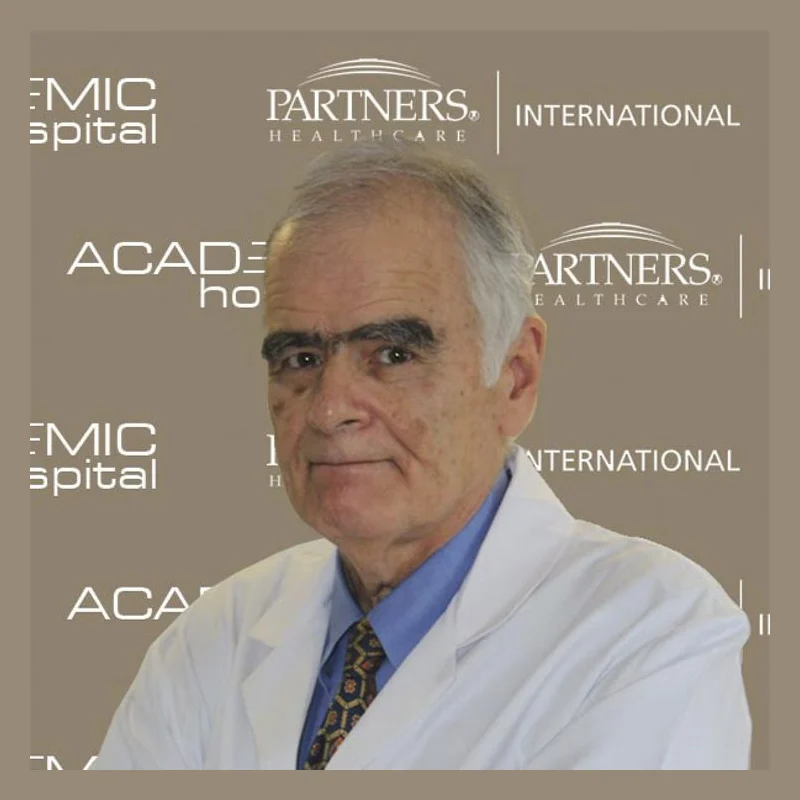
Prof. Dr. Hasan Yazıcı
RheumatologyVerified
- 52+years exp.
English · Turkish
FromPrice on request
Free quote
60 seconds · no obligationView Profile
Lupus erythematosus is an autoimmune condition in which the immune system mistakenly attacks healthy tissues and organs throughout the body. It predominantly affects women of childbearing age, often causing joint pain, chronic fatigue, butterfly-shaped facial rashes, and fevers. As manifestations range from mild skin symptoms to complex organ involvement, treatment options depend on a comprehensive specialist assessment. Compare hospitals in Turkey that treat Lupus Erythematosus and get a free review of your medical records.

1 doctor Compare doctors, ratings and prices — ask any of them for a free quote.
RheumatologyVerified
English · Turkish
60 seconds · no obligationView Profile
Lupus erythematosus is an autoimmune condition in which the immune system mistakenly attacks healthy tissues and organs throughout the body. It predominantly affects women of childbearing age, often causing joint pain, chronic fatigue, butterfly-shaped facial rashes, and fevers. As manifestations range from mild skin symptoms to complex organ involvement, treatment options depend on a comprehensive specialist assessment.
Specialty: Rheumatology
Depending on the stage and your medical history, doctors may recommend:
The cost of treating Lupus Erythematosus depends on the diagnosis and the treatment chosen. Doctors first review your medical records — free of charge — and you then receive an itemised quote.
Options may include Medication Therapy for Systemic Lupus Erythematosus. Your doctor chooses the approach after reviewing your tests and scans.
Lupus Erythematosus is treated by Rheumatology specialists. 1 clinic in Turkey on our platform offer this treatment.
Lupus erythematosus is a chronic autoimmune condition where the immune system incorrectly identifies the body's own healthy tissues as foreign invaders. This leads to systemic inflammation that can affect multiple organ systems. The most common form is systemic lupus erythematosus (SLE), though cutaneous lupus primarily affects the skin. The condition predominantly affects women of childbearing age, but it can develop in individuals of any age or gender.
Because lupus can target almost any part of the body, symptoms vary widely between individuals and often fluctuate in severity through periods of flares and remission. Classic clinical manifestations include:
Diagnosing lupus erythematosus requires a detailed clinical evaluation because its symptoms frequently overlap with other autoimmune or connective tissue disorders. When visiting a hospital in Turkey for evaluation, care is directed by a physician specialising in Rheumatology.
The diagnostic process typically combines clinical history, physical examination, and targeted investigations through Check-ups & Diagnostics services:
Patients travelling from abroad should bring all past medical files, prior blood results, biopsy reports, and a log of previous medication dosages to assist the medical team.
Lupus cannot be cured, but modern medical management aims to suppress immune system overactivity, minimize organ damage, and control flares. The treating physician determines the appropriate prescription after reviewing complete diagnostic findings.
| Option | Typically used when | Things to know |
|---|---|---|
| NSAIDs | Mild joint pain and low-grade fever. | Requires monitoring for gastric and renal side effects. |
| Antimalarials (e.g., Hydroxychloroquine) | Baseline therapy for most SLE patients to control skin and joint symptoms. | Helps prevent flares; requires periodic ophthalmology checks. |
| Corticosteroids | Acute symptom flares or organ-threatening disease. | Effective quickly; doses are tapered down to prevent long-term side effects. |
| Immunosuppressants & Biologics | Moderate to severe organ involvement (e.g., lupus nephritis). | Requires regular blood monitoring to track infection risk and liver function. |
In cases where severe disease affects specific secondary systems, multidisciplinary support may involve specialists in Cardiac Surgery or Pulmonology & Thoracic Surgery to manage complex cardiorespiratory complications.
International travel for chronic autoimmune conditions requires structured planning. Patients travelling to Turkey for diagnostic confirmation or regimen adjustments should prepare for an initial consultation period lasting several days to allow blood panels and imaging to complete.
Key steps for medical travel include:
Travel is not suitable for everyone with lupus erythematosus. Patients experiencing an active severe flare, acute shortness of breath, new neurological symptoms, or rapidly worsening kidney failure should avoid international travel until their condition is stabilized by local healthcare providers.
Seek immediate local emergency medical care if you experience severe chest pain, sudden breathlessness, high fever, severe abdominal pain, confusion, or sudden swelling in the legs.
No, lupus erythematosus is a chronic autoimmune condition with no known cure. However, appropriate medical treatments can effectively manage symptoms, reduce systemic inflammation, prevent organ damage, and help patients achieve long-term periods of disease remission.
A standard diagnostic evaluation or treatment review typically requires 5 to 7 days. This allows adequate time for specialist consultations, comprehensive blood panels, urine analysis, and follow-up discussions regarding your tailored management plan.
Flying during an active severe flare is generally not recommended. Changes in cabin pressure, fatigue, and limited access to immediate emergency care can worsen symptoms. You should obtain formal medical clearance from your treating physician before arranging travel.
Bring all recent lab work, antinuclear antibody test results, organ function panels, physician consultation notes, imaging reports, and a complete list of current and past medications. Medical summaries translated into English or Turkish are highly beneficial.
Before leaving Turkey, your treating rheumatologist will provide a written medical report detailing your diagnosis, lab findings, and medication plan. You must share these documents with your domestic general practitioner or local rheumatologist to ensure ongoing prescription management and routine monitoring.
Your request is in!
Your coordinator will contact you — usually within 2 hours, 24/7.
Want a faster, more accurate assessment?
Add photos & medical detailsLeave your number — a coordinator calls you in your language, usually within 15 minutes during office hours.
Thank you!
A coordinator will contact you at the time you chose.
