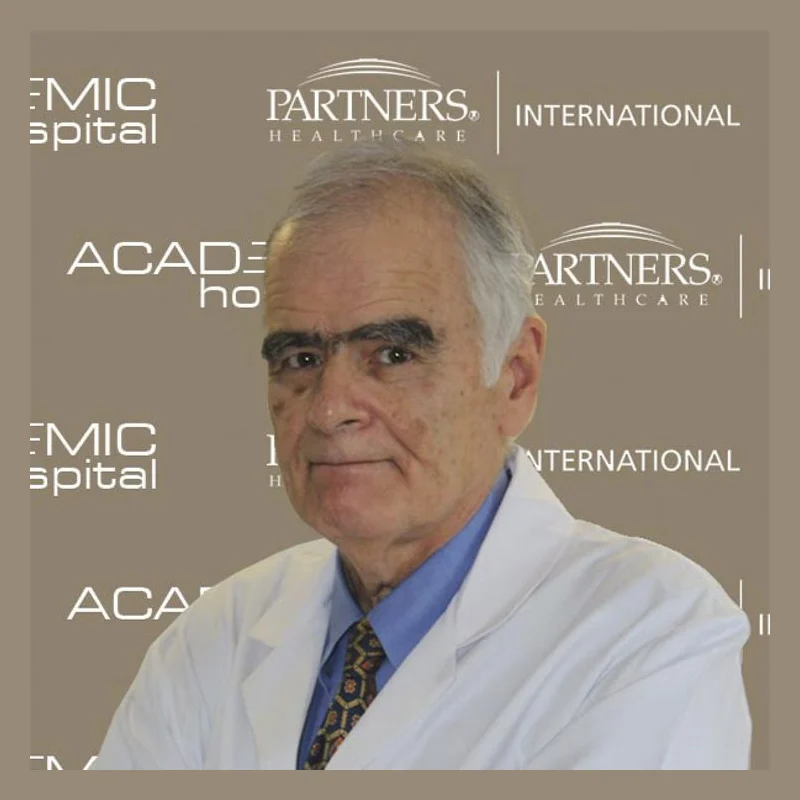
Prof. Dr. Hasan Yazıcı
RheumatologyVerified
- 52+years exp.
English · Turkish
FromPrice on request
Free quote
60 seconds · no obligationView Profile
Ankylosing spondylitis is a chronic inflammatory arthritis that primarily targets the spine and sacroiliac joints, potentially causing vertebrae to fuse over time. It typically affects young adults, who seek medical care for persistent lower back pain, morning stiffness, and fatigue that improves with activity. Appropriate therapeutic treatment options depend on an individual specialist assessment by a rheumatologist. Compare hospitals in Turkey that treat Ankylosing Spondylitis and get a free review of your medical records.

1 doctor Compare doctors, ratings and prices — ask any of them for a free quote.
RheumatologyVerified
English · Turkish
60 seconds · no obligationView Profile
Ankylosing spondylitis is a chronic inflammatory arthritis that primarily targets the spine and sacroiliac joints, potentially causing vertebrae to fuse over time. It typically affects young adults, who seek medical care for persistent lower back pain, morning stiffness, and fatigue that improves with activity. Appropriate therapeutic treatment options depend on an individual specialist assessment by a rheumatologist.
Specialty: Rheumatology
Depending on the stage and your medical history, doctors may recommend:
The cost of treating Ankylosing Spondylitis depends on the diagnosis and the treatment chosen. Doctors first review your medical records — free of charge — and you then receive an itemised quote.
Options may include Stem Cell for Ankylosing Spondylitis. Your doctor chooses the approach after reviewing your tests and scans.
Ankylosing Spondylitis is treated by Rheumatology specialists. 1 clinic in Turkey on our platform offer this treatment.
Ankylosing spondylitis is a form of chronic inflammatory arthritis that primarily affects the axial skeleton, notably the sacroiliac joints connecting the base of the spine to the pelvis. Over time, persistent inflammation at the entheses—the sites where ligaments and tendons attach to bone—can trigger progressive structural damage, including erosions, syndesmophytes (new bone spurs), and potential fusion of spinal vertebrae, often referred to as a bamboo spine.
The condition most commonly develops in late adolescence or early adulthood. Unlike mechanical back strain, typical symptoms of ankylosing spondylitis include:
Diagnosing axial spondyloarthritis requires careful clinical evaluation by a specialist in rheumatology. Early stages often do not show visible changes on standard radiographs, making comprehensive diagnostic protocols essential.
When you attend a hospital in Turkey for evaluation through dedicated check-ups & diagnostics, clinicians typically perform:
Before travelling, patients should compile and bring previous medical records. These include digital copies of earlier DICOM scans (X-rays, CTs, MRIs), laboratory test histories, a list of current and past medications, and notes detailing how your symptoms have responded to non-steroidal anti-inflammatory drugs (NSAIDs).
There is currently no cure for ankylosing spondylitis, but targeted medical therapy and active physical exercise can control inflammation, preserve spinal mobility, and prevent deformity. Therapeutic decisions depend strictly on an assessment by the treating doctor after evaluating disease activity, functional impairment, and imaging results.
| Option | Typically used when | Things to know |
|---|---|---|
| First-line NSAIDs | Mild to moderate active spinal pain and morning stiffness are present. | Continuous or on-demand use helps reduce inflammation; requires routine monitoring of gastric, renal, and cardiovascular health. |
| Targeted Biologic Therapies (TNF or IL-17 inhibitors) | High disease activity persists despite consistent trials of two different NSAIDs. | Administered via subcutaneous injection or intravenous infusion; requires pre-screening for latent tuberculosis and chronic viral infections. |
| Targeted Synthetic DMARDs (JAK inhibitors) | Patients do not respond adequately to or cannot tolerate biologic therapies. | Oral medications that block inflammatory signalling pathways; carries specific safety guidelines regarding cardiovascular and clotting risk. |
| Targeted Rehabilitation & Physiotherapy | All stages of the disease, to maintain chest expansion, posture, and joint range. | Comprehensive rehabilitation includes hydrotherapy, extension exercises, and ergonomic posture training under trained physiotherapists. |
| Corrective or Joint Replacement Surgery | Severe structural hip damage occurs, or fixed spinal kyphosis impairs forward gaze. | Conducted in multidisciplinary orthopedics departments; procedures include total hip arthroplasty or spinal osteotomy. |
Medical travel for chronic rheumatological conditions requires structured logistical planning. Because ankylosing spondylitis requires ongoing management rather than a single procedure, coordination between your visiting specialist and your local doctor is vital.
The initial stage involves an advance review of your medical documents. Turkish hospital coordinators and rheumatologists review your prior imaging, blood tests, and medical summaries to determine the necessary diagnostics and consultations before you book flights. For a diagnostic reassessment and treatment initiation, plan to stay in Turkey for 5 to 7 days. This timeframe allows sufficient time for laboratory work, advanced MRI imaging, specialist consultations, and education regarding physical therapy techniques or injection self-administration.
Before departure, ensure you receive a comprehensive clinical discharge report in English. This file should contain precise details regarding your diagnosis, imaging findings, exact medication dosage schedules, and emergency advice. You will need to share this documentation with your general practitioner or local rheumatologist at home to maintain uninterrupted therapy and schedule routine blood safety monitoring.
Travelling abroad is inappropriate during certain clinical situations. You should postpone overseas medical journeys and seek prompt local hospital care if you develop red flag symptoms, such as acute neurological deficits (numbness, progressive muscle weakness, or loss of bowel or bladder control, which indicate possible cauda equina syndrome), sudden severe spinal pain following minor trauma (suggesting an acute spinal fracture in a rigid spine), or symptoms of severe systemic infection. Patients with uncontrolled systemic hypertension, active tuberculosis, or severe heart failure must stabilise their health locally before considering medical travel.
Ankylosing spondylitis cannot be cured, as it is a lifelong autoimmune condition. However, modern medical care can manage symptoms effectively. With tailored non-steroidal anti-inflammatory drugs, biologic therapies, and regular physiotherapy, many patients achieve clinical remission or low disease activity. This prevents further spinal fusion, relieves persistent pain, and maintains daily physical mobility.
Most international patients stay between 5 and 7 days. This allows ample time for blood tests, high-resolution MRI scans, physical mobility assessments, and consultations with your rheumatologist. If your consultant initiates a new biologic treatment or coordinates physical rehabilitation sessions, extra days ensure you tolerate the therapy well before flying home.
Biologic medications target specific parts of the immune system to reduce inflammation. Because they dampen immune responses, they can reactivate dormant infections. Your doctor must carry out screening tests—such as chest X-rays and QuantiFERON blood tests for latent tuberculosis and hepatitis—before prescribing or administering these therapies to protect your health.
Sudden painful eye redness, light sensitivity, or blurred vision often indicates acute anterior uveitis, a common inflammatory complication of ankylosing spondylitis. This is a medical emergency that requires immediate evaluation by an ophthalmologist. Delaying treatment can lead to permanent vision complications, so do not wait to travel for treatment if symptoms appear.
Before leaving Turkey, your treating hospital provides a detailed medical report and prescription protocol. You must coordinate with your local doctor or national health service beforehand to ensure they can take over prescribing and administer the required safety blood tests, as cross-border biologic shipments and long-term supply can face regulatory hurdles.
Your request is in!
Your coordinator will contact you — usually within 2 hours, 24/7.
Want a faster, more accurate assessment?
Add photos & medical detailsLeave your number — a coordinator calls you in your language, usually within 15 minutes during office hours.
Thank you!
A coordinator will contact you at the time you chose.
