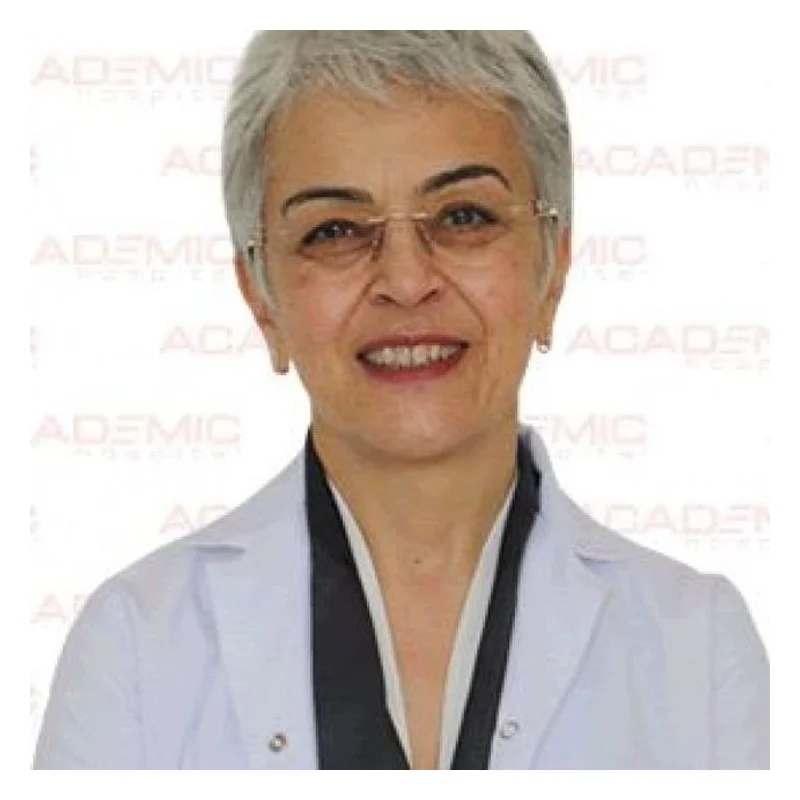
Prof. Dr. Emel Akoğlu
UrologyVerified
- 57+years exp.
English · Turkish
FromPrice on request
Free quote
60 seconds · no obligationView Profile
Andrology and men's health cover a variety of surgical and non-surgical procedures aimed at addressing functional, aesthetic, and reproductive concerns. This guide explains the available treatments in Turkey, what to expect during your stay, and how to approach the planning process.
A written plan with the surgeon's name and the full price — usually within 24 hours.

2 doctors Compare doctors, ratings and prices — ask any of them for a free quote.
UrologyVerified
English · Turkish
60 seconds · no obligationView Profile
UrologyVerified
English · Turkish
60 seconds · no obligationView Profile
The field of andrology addresses a broad spectrum of male reproductive and urological conditions. In Turkey, clinics offer both functional and aesthetic procedures to meet individual patient needs. Among the diverse urology treatments in Turkey, men's health procedures range from minimally invasive interventions to more complex surgeries. Non-surgical and minimally invasive options include penis filler for aesthetic adjustments, penis botox, and shockwave therapy for erectile dysfunction. For more substantial alterations, surgical options such as penis enlargement and the Happenis penoplasty are available.
Beyond aesthetic procedures, this category encompasses vital functional and restorative surgeries. Penile prosthesis implantation and treatments for Peyronie's disease aim to restore sexual function. Procedures like varicocelectomy and microsurgical intervention for varicocele are commonly performed to address discomfort or fertility issues. Other available treatments include vasectomy for contraception, hydrocelectomy for fluid accumulation, testicular prosthesis implantation for aesthetic restoration, and orchiectomy. The specific approach depends entirely on the clinical diagnosis and the patient's personal objectives.
Determining the appropriate treatment requires a thorough medical evaluation. Patients seeking aesthetic changes, such as those considering penis enlargement or non-surgical penis filler, must have realistic expectations regarding the achievable outcomes and the limitations of the procedures. The suitability of these treatments depends on individual anatomy and overall health.
For functional concerns, the choice of intervention is driven by medical necessity. Men experiencing erectile dysfunction might explore non-invasive shockwave therapy before considering a penile prosthesis. Those with varicoceles will need an assessment to determine if a microsurgical approach is required. A detailed consultation with a qualified urologist is essential to review the available options, discuss the associated risks, and establish a clear understanding of what each procedure entails. Every medical intervention carries potential complications, and candid discussions with medical professionals help ensure that patients make informed decisions.
Travelling for medical procedures involves careful logistical and medical planning. Most patients arrive a day or two before their scheduled treatment for comprehensive in-person consultations and preoperative testing. The duration of the hospital stay and the subsequent recovery period in Turkey vary significantly depending on the procedure performed.
Minimally invasive treatments often allow for a quicker return to normal activities and may require only a short stay in the country. Conversely, surgical interventions such as Peyronie's disease surgery, penile prosthesis implantation, or varicocelectomy necessitate a longer observation period. During this time, patients are typically advised to rest and attend follow-up appointments to monitor the healing process.
Patients should follow all postoperative instructions closely, which usually include abstaining from strenuous physical activity and sexual intercourse for a specified period.
The financial aspect of these treatments is influenced by several variables. The complexity of the procedure itself is a primary factor; a complex microsurgery will naturally incur different costs than a straightforward injection. The type of anaesthesia required and the duration of any necessary hospital stay also contribute to the overall expense.
Additionally, the specific materials or devices used, such as the type of penile or testicular prosthesis, will affect the final calculation. Medical fees reflect the experience of the surgical team and the facilities provided by the hospital. When planning, patients should ask for a comprehensive breakdown of the costs to understand what is included in the proposed treatment plan, such as medication, follow-up visits, and any necessary medical garments.
Selecting an appropriate medical provider requires diligent research. It is advisable to look for hospitals that hold recognised international accreditations, as these standards indicate a commitment to specific protocols regarding patient care and safety.
When evaluating a surgeon, focus on their specific qualifications in urology and andrology. Reviewing their experience with the particular procedure you are considering is crucial. Patients should request to see before-and-after photographs of previous cases, provided they are relevant to their own condition, and inquire about the surgeon's complication rates. A reputable medical professional will be transparent about their background and willing to answer all questions straightforwardly, without making unrealistic promises about the results.
Organising a medical trip requires clear communication with the healthcare providers. The process usually begins with an initial enquiry, where you provide relevant medical history and outline your goals. Based on this information, the medical team can assess your case remotely.
You can request a free quote to begin this process. We facilitate communication between you and the appropriate medical facilities. Following the initial assessment, the hospital will provide a written treatment plan detailing the proposed medical approach, the expected timeline, and a clear breakdown of the costs involved. This document allows you to review the details carefully and make an informed decision about your healthcare journey in your own time.
The required stay depends entirely on the specific procedure. Minimally invasive treatments may require only a few days, while complex surgeries like prosthesis implantation often necessitate staying for a week to ten days to allow for proper postoperative monitoring and follow-up consultations.
Travel safety depends on the type of surgery and your individual recovery. Your surgeon will advise you on when it is medically appropriate to fly. Generally, patients must wait until the initial healing phase has passed and the risk of complications, such as blood clots, has sufficiently decreased.
The longevity of results varies by technique. Surgical enlargement methods typically offer long-term or permanent changes to the anatomy. However, non-surgical options like dermal fillers provide temporary results, as the body gradually absorbs the injected material over several months, requiring maintenance treatments.
Recovery from a varicocelectomy usually takes a few weeks. Most patients can return to light, everyday activities within a few days. However, strenuous exercise, heavy lifting, and sexual activity must be avoided for several weeks, as directed by the surgeon, to ensure proper healing.
While surgery can significantly improve the curvature and restore function, it may not completely cure the underlying condition. The goal of surgical intervention is to make intercourse possible and reduce discomfort. A detailed assessment with a urologist will help determine the most realistic outcome for your specific case.
A formal referral from your local general practitioner is not strictly required to consult with a specialist in Turkey. However, providing your complete medical records, previous test results, and any relevant diagnoses is crucial for the surgical team to accurately assess your suitability for treatment.
Your request is in!
Your coordinator will contact you — usually within 2 hours, 24/7.
Want a faster, more accurate assessment?
Add photos & medical detailsLeave your number — a coordinator calls you in your language, usually within 15 minutes during office hours.
Thank you!
A coordinator will contact you at the time you chose.