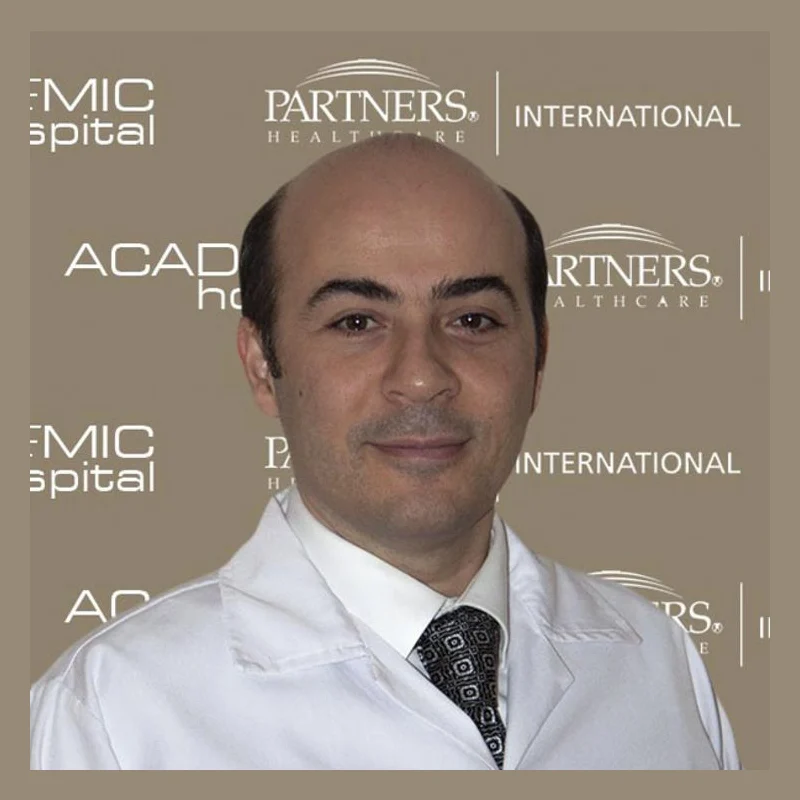
Op. Dr. Fikret Düşünceli
General SurgeryVerified
- 36+years exp.
English · Turkish
FromPrice on request
Free quote
60 seconds · no obligationView Profile
An omentectomy is the surgical removal of the omentum, an apron of fatty tissue protecting abdominal organs. Performed mainly for gynaecological and gastrointestinal staging or cytoreduction, it can be carried out laparoscopically or via open surgery. Learn how the procedure works, what recovery involves, approximate costs in Turkey compared with the UK, US and Germany, and how to choose an accredited surgical centre.
A written plan with the surgeon's name and the full price — usually within 24 hours.

1 doctor Compare doctors, ratings and prices — ask any of them for a free quote.
General SurgeryVerified
English · Turkish
60 seconds · no obligationView Profile
An omentectomy is the surgical removal of all or part of the omentum, a peritoneal fold hanging from the stomach and colon over the small intestines. Composed of fatty tissue, blood vessels, lymphatics and immune clusters called milky spots, the omentum cushions organs and isolates intra-abdominal infections. However, its fluid circulation also makes it a primary site for metastatic cancer cells to implant, often harbouring visible deposits or microscopic disease.
Surgeons perform an omentectomy mainly for staging or cytoreduction (debulking) in gynaecological and gastrointestinal cancers, such as ovarian, fallopian tube, gastric and endometrial malignancies. Less often, partial removal treats benign conditions like omental torsion. If you are researching an omentectomy in Turkey, understanding the techniques and recovery helps you plan safely. See our guide to general surgery treatments in Turkey.
The extent of omental resection depends on the diagnosis, tumour histology and whether surgery is for staging or debulking:
An omentectomy is performed either minimally invasively via laparoscopy or through an open laparotomy, depending on tumour bulk and surgical history.
In a laparoscopic omentectomy, the surgeon places three to four 5–12 mm trocars into the abdominal wall. Carbon dioxide inflates the abdomen, and ultrasonic shears or bipolar energy devices divide omental vessels with minimal blood loss. The tissue is extracted in an endoscopic specimen bag. This is often combined with diagnostic laparoscopy to inspect peritoneal surfaces. In contrast, open laparotomy uses a midline incision, required when large tumour cakes must be debulked or dense adhesions are present. Surgeons may also perform a concurrent appendectomy if mucinous tumours or pelvic spread require it.
| Technique | Best suited to | Typical limits |
|---|---|---|
| Laparoscopic omentectomy | Staging for early ovarian or endometrial cancer; benign lesions; biopsy | Limited tactile assessment; unsuitable for bulky tumour cakes |
| Open total omentectomy | Advanced ovarian, gastric or peritoneal disease; cytoreductive debulking | Larger incision, higher discomfort, longer hospital stay |
| Infracolic omentectomy | Staging where upper organs look clear; select bowel resections | Leaves gastrocolic tissue; inadequate if gross disease involves the stomach |
Guidelines from the European Society of Gynaecological Oncology (ESGO) and the American Society of Clinical Oncology (ASCO) establish omentectomy as an essential standard for peritoneal malignancies.
In epithelial ovarian cancer, up to 20% of patients with disease apparently confined to the pelvis harbour occult microscopic omental metastases. Detecting these cells upstages the condition to stage III, indicating necessary adjuvant chemotherapy that would otherwise be omitted. In advanced disease, evidence confirms that complete cytoreduction—removing all visible tumour, including gross omental implants—substantially improves survival. However, an omentectomy is a surgical resection, not a standalone cure; it requires integration with systemic chemotherapy and ongoing oncological monitoring.
Because an omentectomy is usually part of a staging or cytoreductive procedure, prices vary with operative approach and hospital stay. Below are approximate ranges; each hospital provides a tailored quote after reviewing your case.
| Country | Approximate cost range |
|---|---|
| Turkey | €3,500 – €8,500 |
| United Kingdom | €8,000 – €18,000 |
| United States | €15,000 – €35,000 |
| Germany | €7,500 – €17,000 |
Key factors shaping the omentectomy cost include whether surgery is laparoscopic or open, intensive care requirements and concurrent resections (such as hysterectomy). In Turkey, an omentectomy price package typically covers pre-operative bloods and scans, surgeon and anaesthetist fees, theatre costs, two to five nights in hospital, pathology, routine medication and airport transfers. Request a written itemised quote confirming all inclusions before travelling.
Good candidates are patients requiring surgical staging or debulking for suspected or confirmed gynaecological or gastrointestinal cancers whose general fitness permits general anaesthesia. Specific indications include ovarian, fallopian tube, peritoneal and high-risk endometrial cancers, gastric adenocarcinoma, or symptomatic benign omental torsion.
Patients are generally not candidates if they have unmanageable heart or lung disease, severe uncorrected bleeding disorders or widespread distant metastases where debulking offers no survival benefit. Pre-operative assessment includes contrast CT or MRI scans of the chest, abdomen and pelvis, tumour markers (CA-125, CEA, CA19-9), blood counts, clotting profiles, kidney and liver panels, and an anaesthetic evaluation.
An omentectomy is performed in a hospital operating theatre under general anaesthesia and follows five steps:
Standalone laparoscopic staging takes about 60 to 90 minutes; complex cytoreduction involving multiple organs may take three to five hours.
Because an omentectomy is an oncological procedure, "before and after" refers to diagnostic imaging, tumour markers and histopathology rather than aesthetic changes.
Before surgery, CT or MRI scans often show omental thickening, nodularity or an "omental cake" with elevated tumour markers. After surgery, the key result is the pathology report, which determines whether microscopic cancer cells invaded the omental fat, lymph nodes or margins. In debulking surgery, a successful outcome means optimal cytoreduction with no visible tumour deposits larger than 1 cm (ideally zero residual disease). External wound photos show only healing port scars or a midline incision; true clinical success is tracked through post-operative scans and tumour marker trends.
When travelling for an omentectomy Turkey procedure, plan a trip of 8 to 10 nights. This allows time for pre-operative tests, surgery, hospital care, drain removal and a fit-to-fly assessment.
The hospital stay is usually two to three nights for laparoscopic surgery and four to six nights for open laparotomy. Early walking begins on day one to stimulate bowel activity and prevent blood clots. Bowel function temporarily slows after surgery; diet progresses gradually from liquids to light meals as bowel sounds return.
After discharge, you recuperate at your hotel with follow-up appointments for wound checks. Most patients can fly home after day 8. Full omentectomy recovery takes three to four weeks after laparoscopic surgery and six to eight weeks after open surgery. Avoid lifting heavy objects (>5 kg) for six weeks. Histopathology results are ready in 7 to 10 working days to hand over to your home oncologist.
Like any major abdominal surgery, an omentectomy carries risks. Guidelines from the National Health Service (NHS) and the American College of Surgeons (ACS) highlight recognised complications:
Removing the omentum does not cause digestive impairment; the remaining peritoneum and lymphatics compensate for its fluid and immune functions.
Choosing a hospital for complex abdominal surgery requires careful vetting. Ensure the hospital is licensed by the Turkish Ministry of Health and accredited by bodies such as Joint Commission International (JCI). The lead surgeon should be a certified general surgeon or gynaecological oncologist experienced in advanced laparoscopy and surgical oncology. Your case should be evaluated by a multidisciplinary tumour board (MDT).
Red flags include clinics quoting without reviewing imaging, facilities without on-site adult intensive care units (ICU), and pressure to book without second opinions. Read how our medical coordination works and submit your details for a free quote.
Questions to ask your surgeon:
An omentectomy is the surgical removal of all or part of the omentum, an apron of fatty tissue covering the abdominal organs. It is performed primarily during surgical staging or debulking for gynaecological and gastrointestinal cancers, such as ovarian or gastric cancer, and occasionally for benign conditions like omental torsion.
Yes, as an essential component of staging and debulking. In early-stage ovarian cancer, it detects microscopic metastases that alter treatment plans. In advanced cancer, removing all visible omental tumour deposits (cytoreduction) significantly improves survival when combined with systemic chemotherapy. It is an anatomical surgery rather than a standalone cure.
An omentectomy in Turkey typically costs between €3,500 and €8,500, compared with €8,000 to €18,000 in the UK and higher in the US. The price varies depending on whether surgery is laparoscopic or open, concurrent resections and hospital days. Hospital packages usually include tests, surgery, accommodation and transfers.
Before surgery, imaging often reveals omental thickening or tumour deposits alongside elevated tumour markers. After surgery, results are measured by pathology reports detailing microscopic tumour clearance and surgical margins, or post-operative scans confirming optimal cytoreduction. Wound photos show small port scars or a midline incision, but internal pathology reflects true results.
Recovery depends on the surgical method. Patients having laparoscopic surgery typically return to light activities in three to four weeks. Open laparotomy recovery requires six to eight weeks. Patients stay in hospital for two to six days, must avoid heavy lifting for six weeks, and receive pathology results in 7 to 10 days.
Surgery is performed under general anaesthesia, so you feel nothing during the operation. Afterwards, patients experience abdominal soreness and discomfort, which is managed with patient-controlled analgesia or oral pain medication. Discomfort peaks during the first 48 hours and gradually improves as bowel function returns and incisions begin healing.
Yes. The body adapts well without an omentum. While it plays a role in fluid filtration and local immune defence, other peritoneal surfaces and mesenteric lymph nodes take over these functions. Patients do not experience digestive difficulties, metabolic changes or dietary restrictions solely from having their omentum removed.
When performed by an experienced surgical oncologist or gynaecological oncologist in an accredited hospital, an omentectomy is generally safe. Recognised complications include bleeding, infection, adjacent organ injury, bowel sluggishness (ileus) and blood clots. Pre-operative assessment, modern vessel-sealing technology and thromboprophylaxis minimise these surgical risks.
Neither is universally preferable; each suits different clinical situations. Laparoscopy offers smaller scars, less pain and quicker recovery, making it ideal for staging early cancers or benign conditions. Open surgery remains necessary for bulky tumours, extensive cytoreductive debulking or when severe intra-abdominal adhesions make keyhole surgery unsafe.
Patients should plan to stay in Turkey for 8 to 10 nights. This duration allows for pre-operative consultations and testing, two to six nights in hospital depending on whether surgery is laparoscopic or open, post-discharge hotel recovery, surgical drain removal and a final fit-to-fly assessment.
Your request is in!
Your coordinator will contact you — usually within 2 hours, 24/7.
Want a faster, more accurate assessment?
Add photos & medical detailsLeave your number — a coordinator calls you in your language, usually within 15 minutes during office hours.
Thank you!
A coordinator will contact you at the time you chose.

