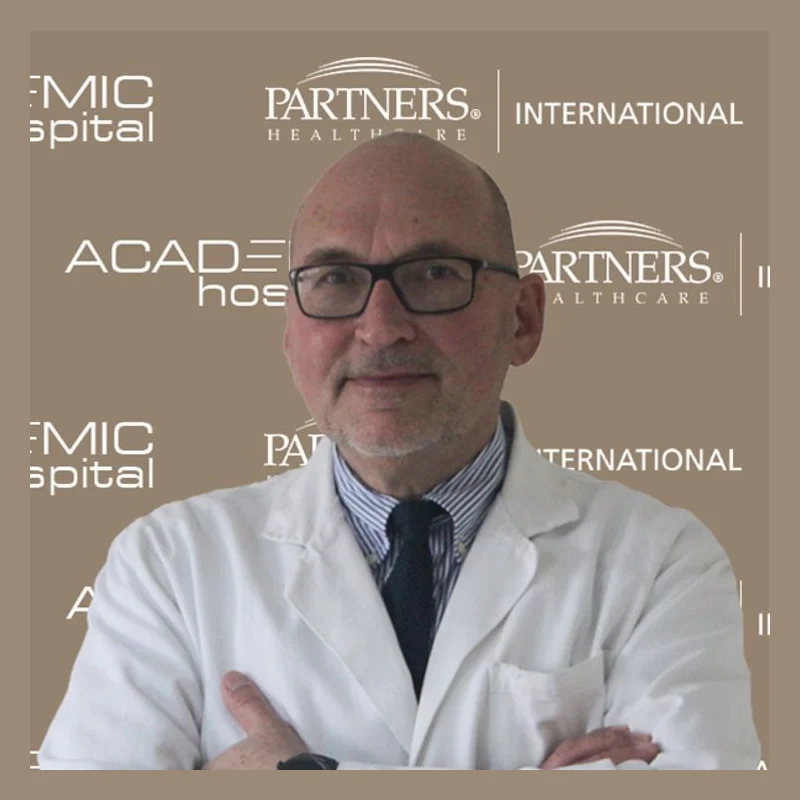
Prof. Dr. Turgay Çelikel
OncologyVerified
- 47+years exp.
English · Turkish
FromPrice on request
Free quote
60 seconds · no obligationView Profile
What Xofigo (radium-223 dichloride) therapy is, how alpha-emitting radiopharmaceuticals target bone metastases in advanced prostate cancer, what clinical trials show about pain relief and overall survival, how it compares with chemotherapy and targeted therapies, approximate cycle costs across Turkey, the UK, US and Germany, outpatient recovery protocols, potential haematological side effects and questions to ask an oncology hospital.
A written plan with the surgeon's name and the full price — usually within 24 hours.

1 doctor Compare doctors, ratings and prices — ask any of them for a free quote.
OncologyVerified
English · Turkish
60 seconds · no obligationView Profile
Xofigo radium 223 (radium-223 dichloride) is a targeted radiopharmaceutical designed specifically for men with advanced prostate cancer that has spread to the bones. When prostate cancer stops responding to standard hormonal treatments—a clinical stage known as metastatic castration-resistant prostate cancer (mCRPC)—bone metastases frequently develop. These lesions cause persistent pain, compromise bone strength and increase the risk of pathological fractures. Radium-223 operates as an alpha-particle emitter that mimics calcium, binding selectively to areas of heightened mineral turnover immediately surrounding bone metastases. Once incorporated into the bone matrix, it emits high-energy alpha radiation across an extremely short range, breaking DNA strands in tumour cells while preserving most of the adjacent marrow.
Specialised hospitals provide xofigo radium 223 in Turkey within dedicated nuclear medicine and oncology departments. Rather than acting as an external radiation beam or a systemic hormonal agent, radium-223 is administered as a brief intravenous injection on an outpatient schedule. Understanding what is xofigo radium 223 and how it behaves in bone tissue helps patients evaluate their therapeutic pathway. This detailed guide covers how the targeted isotope works, what published clinical trials indicate regarding survival and pain relief, approximate costs across Turkey, the UK, US and Germany, and practical travel guidance for international patients. For an overview of complementary therapeutic approaches, explore our guide to oncology treatments in Turkey.
The therapeutic mechanism of radium-223 relies on elemental chemistry. Radium is an alkaline earth metal that resides in the same chemical group as calcium on the periodic table. Because metastatic prostate cancer lesions in bone are predominantly osteoblastic—characterised by abnormal, rapid new bone formation—the skeleton readily takes up radium in place of calcium at sites of active turnover.
Once absorbed into the newly forming hydroxyapatite mineral matrix, radium-223 decays by emitting alpha particles. Alpha radiation differs fundamentally from traditional beta radiation or photon beams. Alpha particles carry substantial mass and energy, creating high linear energy transfer (LET) that induces severe, double-strand DNA breaks in adjacent cancer cells and osteoblasts. Because alpha particles have a path length of less than 100 micrometres (equivalent to two to ten cell diameters), their cytotoxic impact is confined to the immediate microenvironment of the tumour. This hyper-localised destruction limits collateral radiation damage to circulating blood elements and healthy haematopoietic stem cells in deeper marrow spaces.
Substantial clinical data supports the therapeutic role of radium-223. The landmark international phase 3 ALSYMPCA trial, published in peer-reviewed medical journals and evaluated by the European Medicines Agency (EMA) and US Food and Drug Administration (FDA), evaluated patients with symptomatic castration-resistant prostate cancer and bone metastases. The trial demonstrated a statistically significant improvement in median overall survival for patients receiving radium-223 compared with those receiving a placebo, alongside a meaningful delay in the time to first symptomatic skeletal-related event, such as bone fracture or the necessity for emergency radiation. When men and their families ask does xofigo radium 223 work, evidence confirms clear clinical efficacy in prolonging life and delaying bone complications.
It is equally vital to understand what xofigo radium 223 does not do. Radium-223 is not a cure for advanced prostate cancer. Furthermore, because it targets calcium-rich bone turnover, it does not treat visceral metastases in the liver or lungs, nor does it control bulky soft-tissue lymph node enlargement. Patients must also recognise that serum prostate-specific antigen (PSA) levels do not reliably correlate with response to radium-223; PSA concentrations may continue to rise even as the radiopharmaceutical successfully destroys tumour cells in the skeleton. Evaluating xofigo radium 223 results requires clinicians to monitor pain relief, physical mobility and changes in total alkaline phosphatase (ALP) rather than PSA figures alone.
The figures outlined below represent approximate cost ranges for radium-223 therapy. Actual costs depend on whether pricing is quoted per individual injection cycle or for the full six-dose treatment course, local radiopharmaceutical import logistics, hospital facility fees and the scope of pre-treatment diagnostics. Each medical centre provides an individualized quotation following a case review.
| Country | Approximate cost per cycle | Approximate full 6-cycle course |
|---|---|---|
| Turkey | €3,500 – €5,800 | €21,000 – €35,000 |
| United Kingdom | €5,500 – €8,800 | €33,000 – €52,000 |
| United States | €8,500 – €14,000 | €50,000 – €84,000 |
| Germany | €5,200 – €8,200 | €31,000 – €49,000 |
Several factors explain why xofigo radium 223 cost and xofigo radium 223 price variations occur across countries. Radium-223 has a radioactive half-life of 11.4 days, meaning each dose must be custom-manufactured, radiolabelled and delivered under strict time constraints to the treating hospital. In Turkey, comprehensive packages generally encompass the specialised radiopharmaceutical procurement, nuclear medicine administration fees, pre-injection complete blood counts, medical oncologist consultations and airport-to-clinic transfers. In contrast, hospitals in the UK and US often bill medication costs, physician oversight and laboratory testing separately, which increases overall expenditure.
Modern management of advanced prostate cancer incorporates multiple drug classes. Radium-223 occupies a defined niche alongside systemic cytotoxic drugs and oral anti-androgen medicines. When evaluating treatment sequencing, oncologists compare each therapy's site of action, side-effect profile and administration method.
| Treatment modality | Best suited to | Typical limits |
|---|---|---|
| Xofigo (radium-223) | Bone-predominant mCRPC with bone pain and no visceral disease | Does not treat visceral or soft-tissue spread; requires bone marrow reserve |
| Chemotherapy | Visceral metastases, rapid progression, or soft-tissue involvement | Higher systemic toxicity, risk of neutropenic sepsis, fatigue and hair loss |
| Targeted therapy | Hormone-relapsed disease or specific genetic DNA repair defects | Secondary resistance develops; does not emit localized radiation to bone |
Intravenous chemotherapy agents such as docetaxel and cabazitaxel exert cytotoxic effects across all bodily tissues, making them essential when tumours have spread to the liver, lungs or distant lymph nodes. Conversely, novel targeted therapy agents, including second-generation androgen receptor pathway inhibitors, block hormonal signalling pathways orally. In specific genomic profiles, emerging options such as immunotherapy may also be evaluated. Multidisciplinary teams often sequence radium-223 before or after chemotherapy, depending on bone marrow stability and symptom severity.
Clinical suitability for radium-223 requires careful oncological assessment. An eligible candidate typically presents with castration-resistant prostate cancer, ongoing disease progression despite testosterone suppression, documented bone metastases causing discomfort, and an absence of visceral organ spread. Candidates must possess satisfactory baseline haematological function because alpha radiation can temporarily suppress blood cell production.
Specific haematological thresholds must be satisfied before starting treatment and verified before each injection: an absolute neutrophil count (ANC) of at least 1.5 × 10⁹/L, a platelet count of at least 100 × 10⁹/L, and a haemoglobin level of at least 10 g/dL. Patients are not suitable candidates if they have extensive metastases in the lungs or liver, significant malignant lymphadenopathy exceeding 3 cm, or acute, untreated spinal cord compression, which demands immediate surgical or external radiation decompression.
Receiving radium-223 is an outpatient procedure that requires no surgical incision, sedation or general anaesthesia. The clinical protocol proceeds through four clear stages:
The standard treatment regimen comprises six individual injections administered at four-week intervals. International patients planning therapy in Turkey typically travel for each scheduled cycle, remaining in the country for two to four nights per visit. This timeframe allows sufficient time for preliminary blood analysis, an in-person consultation with the treating medical oncologist and nuclear medicine team, treatment administration, and next-day discharge review.
Because alpha particles have a penetration depth of less than one-tenth of a millimetre, radiation does not exit the patient's body. Consequently, strict radiation isolation in a shielded hospital room is unnecessary, and patients can safely travel by plane, stay in hotels and interact with family members immediately following the appointment. However, because radium is primarily eliminated through the gastrointestinal tract, patients must follow standard hygiene measures for seven days post-injection: flushing the toilet twice after use, washing hands thoroughly with soap, and laundering clothing soiled with body fluids separately. Overall xofigo radium 223 recovery is straightforward; most men experience minimal disruption and resume light daily routines the following morning. For patients choosing xofigo radium 223 Turkey packages, care teams provide full written recovery guidance and scheduled remote follow-ups.
Like all oncological interventions, radium-223 carries potential risks that must be managed by qualified clinicians. Understanding potential xofigo radium 223 side effects allows patients and carers to prepare appropriately. According to safety monitoring by health authorities including the NHS, EMA and FDA, the primary adverse reactions involve bone marrow suppression. Thrombocytopenia (low blood platelets) occurs in a minority of patients and can increase bruising or bleeding tendencies. Anaemia (low red blood cell count) and neutropenia (low white blood cell count) may also manifest, which is why routine pre-dose haematology testing is non-negotiable.
Gastrointestinal side effects are generally mild to moderate, including temporary diarrhoea, nausea, vomiting and occasional dehydration. Fatigue and mild peripheral swelling are also reported. Major international safety alerts advise against combining radium-223 with abiraterone and prednisone outside clinical trials due to an elevated incidence of non-pathological bone fractures. Patients receiving bone-strengthening bisphosphonates or denosumab should have their skeletal health closely reviewed to optimise bone integrity throughout therapy.
Selecting an appropriate hospital for radionuclide therapy requires verifying hospital credentials and clinical infrastructure. Radium-223 administration demands a licensed nuclear medicine department equipped with a certified radiopharmacy hot lab, experienced radiation protection officers and an active multidisciplinary tumour board. Quality indicators include international accreditation, such as Joint Commission International (JCI) or ISO healthcare certification, as well as clear lines of communication between Turkish specialists and your oncologist at home.
Red flags to watch out for include clinics that promise a definitive cancer cure, facilities offering treatment without demanding recent imaging or blood tests, and centres that fail to provide a written, transparent cost breakdown. Before agreeing to treatment, consider asking the clinical team the following questions:
To begin evaluating your clinical options, review how it works and submit your medical reports through our free quote portal for an honest, specialist review.
Xofigo (radium-223 dichloride) is a targeted alpha-emitting radiopharmaceutical used for men with advanced, castration-resistant prostate cancer that has spread to bone. It mimics calcium to target active bone turnover around metastatic lesions, releasing localised alpha radiation that damages cancer cell DNA while sparing most of the adjacent bone marrow.
Clinical trial data confirms that radium-223 prolongs overall survival and delays painful skeletal complications in men with bone-metastatic castration-resistant prostate cancer. However, it is not a cure for prostate cancer and does not treat soft-tissue or visceral metastases, such as lesions in the liver or lungs.
In Turkey, radium-223 typically costs between €3,500 and €5,800 per injection cycle, amounting to approximately €21,000 to €35,000 for a full six-dose regimen. In comparison, private treatment in the UK or Germany ranges from €30,000 to €52,000. Hospitals confirm final pricing after reviewing medical files.
Xofigo aims to delay disease progression in bone, relieve bone pain and preserve physical mobility. Because this is a cancer therapy rather than a cosmetic procedure, results refer to symptom relief and stability on bone scans. PSA levels may not decline even when the treatment is actively working.
Xofigo specifically targets bone metastases with localised alpha radiation, causing fewer systemic side effects such as hair loss or severe nausea. Chemotherapy agents like docetaxel act across the entire body to treat both bone and visceral tumours, but carry higher risks of fatigue and infections.
Eligible patients have metastatic castration-resistant prostate cancer with symptomatic bone metastases and no known visceral metastases. Candidates must also have adequate bone marrow reserves, including sufficient platelet, neutrophil and haemoglobin counts, confirmed through laboratory blood testing immediately prior to each scheduled injection.
The most significant risks are haematological toxicities, including low platelet counts (thrombocytopenia), anaemia and reduced white blood cells (neutropenia), which increase bleeding or infection risks. Common gastrointestinal side effects include diarrhoea, nausea and mild fatigue. Blood counts must be checked before every single cycle to ensure safety.
No hospital isolation is necessary because alpha particles travel less than 100 micrometres and cannot penetrate your skin. You can safely stay in a hotel and interact with family members, but because radium is excreted through the bowel, you must practise strict bathroom hygiene for seven days following each dose.
The injection itself is not painful. The radiopharmaceutical is administered through a standard intravenous cannula in a vein over approximately one minute, followed by a simple saline flush. Patients do not require anaesthesia or sedation and can leave the outpatient clinic shortly after a routine observation period.
Most international patients stay two to four days per cycle. This schedule allows sufficient time for preliminary blood testing, an oncological consultation, the radiopharmaceutical infusion, and a brief observation period before flying home. The treatment is repeated every four weeks for up to six cycles in total.
Your request is in!
Your coordinator will contact you — usually within 2 hours, 24/7.
Want a faster, more accurate assessment?
Add photos & medical detailsLeave your number — a coordinator calls you in your language, usually within 15 minutes during office hours.
Thank you!
A coordinator will contact you at the time you chose.

