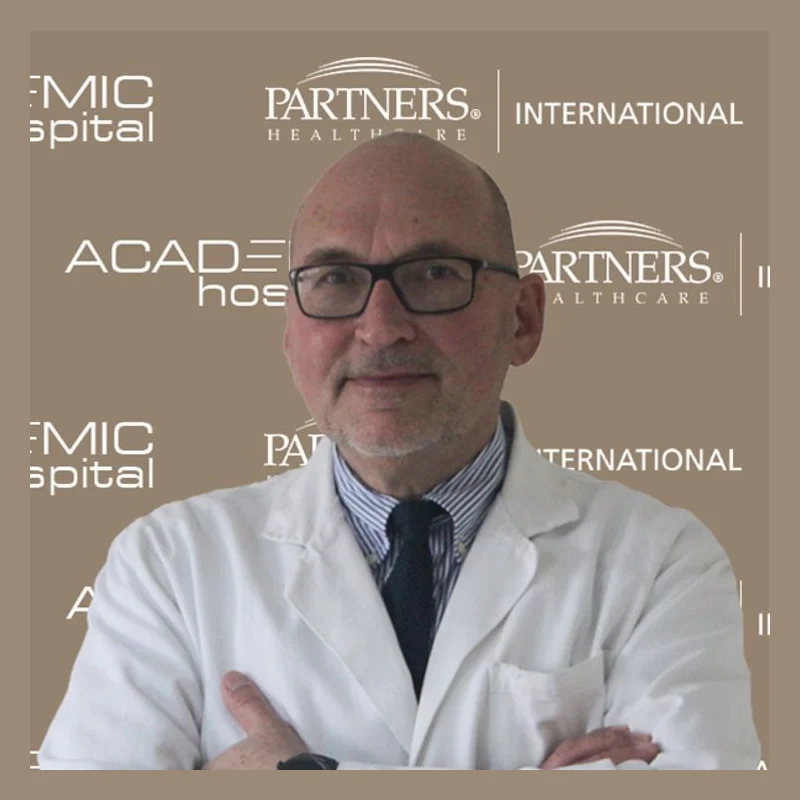
Prof. Dr. Turgay Çelikel
OncologyVerified
- 47+years exp.
English · Turkish
FromPrice on request
Free quote
60 seconds · no obligationView Profile
What target therapy for lung cancer involves, how molecular testing identifies driver mutations such as EGFR and ALK, and what clinical evidence shows regarding response rates. This guide details drug categories, comparative monthly costs across Turkey, the UK, US, and Germany, who qualifies, treatment monitoring schedules, realistic outcomes, common side effects, and key standards for selecting an oncology centre.
A written plan with the surgeon's name and the full price — usually within 24 hours.

1 doctor Compare doctors, ratings and prices — ask any of them for a free quote.
OncologyVerified
English · Turkish
60 seconds · no obligationView Profile
Target therapy for lung cancer is a precision oncology treatment that uses specialised drugs to block specific genetic mutations driving cancer growth. Unlike traditional systemic therapies that affect all rapidly dividing cells, targeted medications focus on abnormal proteins within malignant cells. Most targeted treatments for lung cancer treat non-small cell lung cancer (NSCLC), particularly adenocarcinoma. For a wider perspective on cancer treatments, see our guide to oncology treatments in Turkey and our overview of targeted therapy.
Targeted drugs work by disrupting biochemical signals that direct cancer cells to multiply. These therapies fall into two main groups: small-molecule tyrosine kinase inhibitors (TKIs), which enter cancer cells to block internal enzymes, and monoclonal antibodies, which bind to cell-surface receptors or prevent blood vessel development around tumours. By focusing on defined molecular targets, these therapies often spare healthy tissues more effectively than cytotoxic chemotherapy.
Targeted drugs cannot be prescribed without identifying the specific genetic mutation driving the tumour. Comprehensive biomarker testing using next-generation sequencing (NGS) is the standard foundation of modern care. Pathologists analyse tumour tissue obtained via biopsy or surgery to examine multiple potential gene alterations simultaneously.
Common actionable targets in NSCLC include EGFR mutations, ALK rearrangements, ROS1 fusions, BRAF V600E mutations, KRAS G12C alterations, RET fusions, and MET exon 14 skipping. When tissue samples are limited or difficult to obtain, oncologists use liquid biopsies to detect circulating tumour DNA (ctDNA) in the blood, identifying mutations without invasive surgery.
Clinical evidence demonstrates that targeted therapy provides significant benefits when an actionable mutation is confirmed. Major clinical guidelines from ESMO and ASCO recommend targeted agents as first-line treatment for mutation-positive advanced NSCLC. In eligible patients, objective response rates—measured by tumour shrinkage—regularly reach 60% to 80%, exceeding rates historically seen with conventional chemotherapy.
However, targeted therapy is rarely an outright cure for advanced lung cancer. Cancer cells eventually adapt, developing acquired resistance through secondary mutations or bypass signalling pathways after a median of 10 to 18 months. Third-generation inhibitors, such as osimertinib for EGFR or alectinib for ALK, cross the blood-brain barrier effectively and extend progression-free survival, but long-term monitoring remains essential.
Treatment costs depend on the specific medication, whether patent protections apply, required diagnostic genetic panels, and overall duration. The figures below reflect approximate monthly ranges for drug cycles, consultations, and monitoring, not fixed hospital quotes.
| Country | Approximate monthly cost range |
|---|---|
| Turkey | €1,500 – €4,500 |
| United Kingdom | €4,000 – €9,500 |
| United States | €8,000 – €18,000 |
| Germany | €3,500 – €8,500 |
What changes the price: NGS sequencing panels, baseline PET-CT and brain MRI scans, specialist oncology fees, and supportive medications. International patient packages in Turkey generally cover pathology review, initial drug cycles, oncologist consultations, and local transfers. Each hospital provides an itemised written quote after reviewing medical files.
Lung cancer care employs three main systemic approaches: targeted therapy, chemotherapy, and immunotherapy. Each addresses cancer biology differently and suits distinct patient groups. Tumours with EGFR or ALK mutations respond far better to targeted inhibitors than to immunotherapy alone.
| Treatment type | Primary indication | Typical limits |
|---|---|---|
| Targeted therapy | Non-small cell lung cancer with confirmed driver mutations (e.g. EGFR, ALK, ROS1) | Ineffective without specific targets; tumours eventually develop acquired resistance |
| Chemotherapy | Widespread disease, small cell lung cancer, or tumours without actionable targets | Affects healthy cells; causes fatigue, nausea, and bone marrow suppression |
| Immunotherapy | High PD-L1 expression or elevated tumour mutational burden without EGFR/ALK mutations | Variable response rates; carries risks of immune-mediated inflammation |
These treatments are often sequenced. If a targeted therapy stops controlling tumour growth, oncologists transition patients to chemotherapy or regimens incorporating immunotherapy based on multidisciplinary tumour board advice.
Eligibility depends on tumour biology rather than disease stage alone. Good candidates are adults with advanced or metastatic NSCLC whose biopsy confirms an actionable genetic alteration via validated molecular testing. Early-stage patients may also receive adjuvant targeted therapy after surgery when specific mutations are present.
Targeted therapy is not suitable for small cell lung cancer (SCLC), as SCLC tumours rarely harbour targetable kinase mutations. Similarly, patients with wild-type NSCLC lacking detectable mutations derive no benefit from targeted drugs and receive chemotherapy or immunotherapy instead. Candidates must also have sufficient liver and kidney function to process medications safely.
The clinical pathway for targeted lung cancer therapy follows five coordinated stages:
For patients travelling to Turkey, the initial medical trip usually requires 7 to 10 days. This provides adequate time for blood tests, genetic profile confirmation, restaging scans, and oncologist consultations. Once medication tolerance is confirmed after initial doses, patients travel home with a two-to-three-month medication supply.
Daily management requires consistent adherence, as skipping oral doses reduces therapeutic drug levels. Patients coordinate routine monthly blood tests through local doctors and share results with their Turkish medical team. Restaging imaging occurs every two to three months, arranged locally or during follow-up visits to Turkey.
Understanding realistic outcomes helps patients manage long-term therapy. In advanced non-small cell lung cancer, targeted therapy aims to shrink tumours, stop progression, and relieve symptoms such as coughing, breathlessness, and pain. Many patients report noticeable symptom improvement within four to eight weeks.
However, follow-up scans rarely show complete elimination of stage IV cancer. Imaging typically confirms partial response (at least 30% tumour reduction) or stable disease. Targeted therapy treats advanced cancer as a manageable chronic condition. Routine scanning allows oncologists to detect drug resistance early, enabling timely switches to next-generation therapies or targeted radiation for isolated lesions.
While targeted therapies do not cause standard chemotherapy side effects like widespread hair loss, they carry specific drug-class toxicities documented by the NHS, FDA, and ESMO:
Choosing an oncology centre requires checking hospital accreditation, such as JCI or ISO certification, on-site molecular pathology capabilities, and active multidisciplinary tumour boards. Ensure that medical oncologists have extensive experience managing targeted therapies and clear protocols for international patient follow-up.
Red flags include clinics that prescribe targeted drugs without genetic test results, promises of complete cure, quotes lacking detailed medication costs, and facilities lacking emergency oncology units. Review how our process works and request an assessment through our free quote page.
Target therapy for lung cancer uses precision medications that identify and attack specific genetic mutations within cancer cells, such as EGFR or ALK alterations. Unlike chemotherapy, which affects rapidly dividing cells throughout the body, targeted drugs focus on specific molecular pathways that drive tumour growth, offering effective disease control while sparing many healthy tissues.
Targeted therapy provides high response rates when actionable genetic mutations are present. Clinical studies show 60% to 80% of biomarker-positive patients experience measurable tumour shrinkage. While rarely an outright cure for advanced lung cancer, targeted drugs frequently provide prolonged disease control and better quality of life compared with initial chemotherapy.
Approximate monthly costs for targeted lung cancer therapy in Turkey range from €1,500 to €4,500, compared with €4,000 to €9,500 in the UK and up to €18,000 in the US. Total costs depend on the specific drug prescribed, required genetic testing panels, restaging scans, and oncologist consultations.
Follow-up CT and PET-CT scans typically show tumour shrinkage or stable disease rather than total elimination in advanced stages. Clinically, patients often experience noticeable improvements in cough, chest discomfort, and breathing within four to eight weeks of starting therapy. Scans are repeated every two to three months to monitor response.
Because most targeted therapies are daily oral tablets taken at home, there is no surgical recovery period. However, patients require regular medical monitoring. Blood tests to evaluate liver and kidney function are performed monthly, while restaging imaging takes place every two to three months to evaluate treatment effectiveness and detect resistance early.
Targeted therapy is not painful to administer, as most medications are taken orally as tablets. However, side effects can cause physical discomfort. Common issues include acne-like skin rashes, diarrhoea, fatigue, and dry skin. Most side effects are manageable with supportive medications, skincare regimens, and occasional temporary dose adjustments directed by your oncologist.
Targeted therapies often control advanced lung cancer for 10 to 18 months, and sometimes several years with newer third-generation inhibitors. Eventually, cancer cells develop acquired resistance through new mutations. When resistance occurs, oncologists perform repeat biopsies to identify the new resistance mechanism and switch to next-generation targeted drugs or chemotherapy.
Main risks include skin rashes, diarrhoea, elevated liver enzymes, and changes in blood pressure or heart rhythm. A rare but serious complication is pneumonitis, an inflammation of lung tissue that requires immediate medical attention and drug cessation. Regular blood tests and clinical appointments help detect and manage potential complications safely.
Targeted therapy attacks specific genetic alterations with higher response rates and generally fewer systemic toxicities like severe nausea or hair loss than chemotherapy. However, targeted therapy only works if your tumour possesses a confirmed actionable mutation. Tumours lacking identifiable mutations are usually treated with chemotherapy or immunotherapy combinations.
International patients usually stay in Turkey for 7 to 10 days for their initial evaluation. This provides sufficient time for comprehensive pathology review, genetic sequencing confirmation, baseline scans, and oncologist consultations. Once drug tolerance is established, patients return home with several months of medication and coordinate ongoing remote follow-up.
Your request is in!
Your coordinator will contact you — usually within 2 hours, 24/7.
Want a faster, more accurate assessment?
Add photos & medical detailsLeave your number — a coordinator calls you in your language, usually within 15 minutes during office hours.
Thank you!
A coordinator will contact you at the time you chose.

