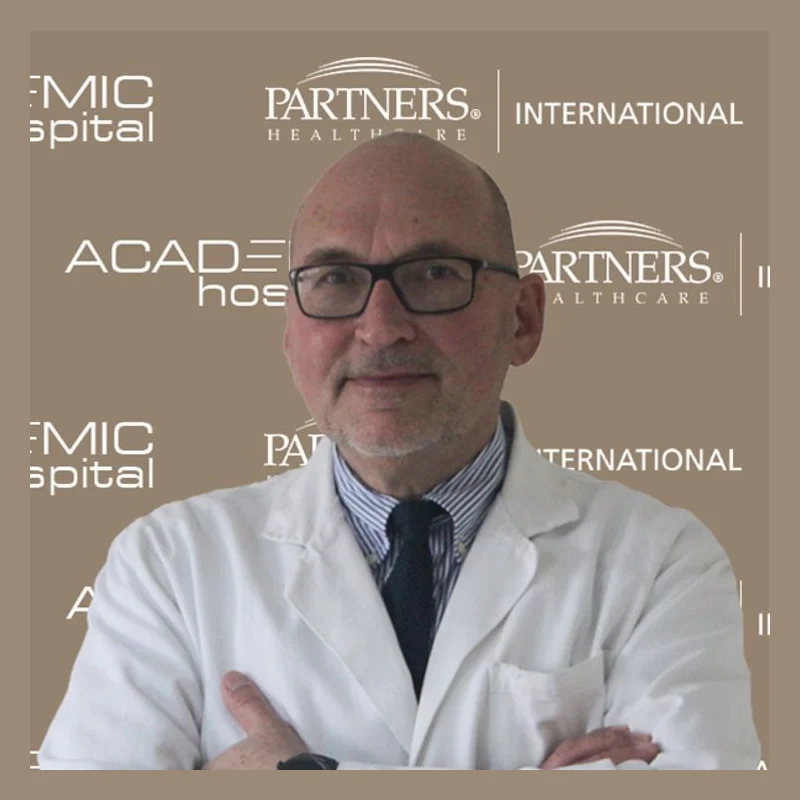
Prof. Dr. Turgay Çelikel
OncologyVerified
- 47+years exp.
English · Turkish
FromPrice on request
Free quote
60 seconds · no obligationView Profile
What natural killer (NK) cell therapy is, how autologous and allogeneic NK cells target cancer cells, what current clinical evidence and trials show, approximate treatment costs in Turkey compared with the UK, US and Germany, how cells are harvested and infused, expected timelines, side effects, and essential criteria for choosing an accredited hospital and oncology team.
A written plan with the surgeon's name and the full price — usually within 24 hours.

1 doctor Compare doctors, ratings and prices — ask any of them for a free quote.
OncologyVerified
English · Turkish
60 seconds · no obligationView Profile
NK cell therapy (natural killer cell therapy) is an advanced cellular immunotherapy using specialised white blood cells from the innate immune system to detect and destroy cancer cells. Unlike T cells, which require specific antigen presentation and HLA matching, natural killer cells recognise abnormal cells independently. When malignant cells downregulate surface MHC Class I molecules to escape detection—a mechanism known as "missing self"—NK cells detect this imbalance. They release cytotoxic granules containing perforin and granzymes, inducing apoptosis in target cells without harming healthy tissue.
In clinical practice, natural killer cells are collected from peripheral blood, expanded and activated in a certified laboratory, and infused into the patient. Hospitals in Turkey offer these protocols as supportive or investigational treatments for haematological conditions and solid tumours. This guide explains how the treatment works, what clinical evidence shows, approximate costs compared with the UK, US and Germany, and how to assess a clinic. For wider cancer care options, see our guide to oncology treatments in Turkey.
The therapeutic protocol involves four primary clinical and laboratory stages carried out under strict medical supervision:
A complete course typically comprises one to three infusion sessions tailored to the individual oncology plan.
Evaluating whether natural killer cell therapy is effective requires examining published clinical research rather than promotional claims. In laboratory and early clinical studies, activated natural killer cells show clear antitumour activity and can eliminate circulating cancer cells.
The clearest clinical evidence exists in haematological malignancies, including acute myeloid leukaemia (AML) and certain lymphomas. Using allogeneic cells from healthy donors, where mismatched killer immunoglobulin-like receptors (KIR) increase cytotoxicity, has produced encouraging remission outcomes without causing graft-versus-host disease (GvHD).
For advanced solid tumours, such as breast, lung, colorectal, or pancreatic cancer, clinical results remain mixed. Solid tumours present physical and immunosuppressive barriers that restrict cell infiltration. Consequently, international bodies such as the European Medicines Agency (EMA) and the US FDA do not recognise NK infusions as a first-line curative treatment for solid cancers. Trustworthy oncology teams offer NK cell protocols as complementary or maintenance support alongside established regimens, never as an unconditional cure or replacement for standard oncology care.
The figures below reflect approximate cost ranges per treatment cycle rather than specific hospital quotations. Prices vary according to cell source (autologous versus donor allogeneic), required cell expansion volume, and the number of infusion sessions. A hospital confirms exact pricing following review of medical records.
| Country | Approximate cost range per cycle |
|---|---|
| Turkey | €7,500 – €22,000 |
| United Kingdom | €20,000 – €45,000 |
| United States | €30,000 – €75,000 |
| Germany | €18,000 – €45,000 |
Key elements that influence the total nk cell therapy price include:
Cancer immunotherapy encompasses diverse strategies. Understanding the differences helps patients evaluate where natural killer cells fit relative to other medical options.
| Treatment type | Best suited to | Typical limits |
|---|---|---|
| NK cell therapy | Minimal residual disease, complementary support, clinical trials | Modest penetration into dense solid tumours; variable longevity in vivo |
| CAR-T cell therapy | Relapsed or refractory leukemias, lymphomas, and myeloma | Substantial risk of severe cytokine release syndrome (CRS); high cost |
| Checkpoint inhibitors | Wide range of advanced solid cancers with high PD-L1 expression | Risk of autoimmune adverse events; ineffective without tumour mutational burden |
While natural killer cells form part of the innate immune system, checkpoint inhibitors rely on adaptive T cells; see our guide to immunotherapy. Natural killer infusions are often considered alongside standard chemotherapy, where chemotherapy debulks larger lesions while immune cells target circulating cells. Patients with specific genetic alterations may instead be suitable for targeted therapy, which inhibits specific molecular pathways driving tumour proliferation.
Suitability for natural killer cell therapy is determined through a comprehensive oncological review. Because the procedure requires reasonable physical resilience and time for cell culture, not every patient is an appropriate candidate.
Suitable candidates typically have:
Those who are generally not candidates include patients with severe hepatic, cardiac, or renal impairment, active systemic infections, rapidly progressing acute crises requiring emergency intervention, uncontrolled autoimmune conditions requiring high-dose steroids, or poor performance status (ECOG 3 or higher) that makes international travel hazardous.
Setting grounded expectations before beginning cellular therapy is crucial. Unlike cosmetic procedures, "before and after" assessments in oncology rely on diagnostic imaging and laboratory markers rather than physical appearances.
Progress is tracked using standardised criteria such as RECIST, PET-CT metabolic activity, and circulating serum tumour markers. Clinically documented outcomes include:
Imaging performed too soon after infusion may show apparent tumour enlargement caused by inflammatory cell infiltration (pseudoprogression). Formal evaluation is typically conducted 8 to 12 weeks post-treatment. Honest clinics will never promise certain tumour disappearance or permanent remission.
Coordinating travel for natural killer cell treatment depends on whether the patient chooses a single extended stay or two separate journeys to Turkey:
Day-to-day recovery after an infusion is generally straightforward. The treatment is administered as a day-case, and most patients rest for two to three hours before returning to their hotel. Mild fatigue or a low-grade fever may occur in the first 24 to 48 hours, usually resolving with hydration and paracetamol. Normal light walking is encouraged immediately, and fit-to-fly clearance is typically provided two to three days after the final infusion.
Natural killer cell therapy demonstrates a favourable safety record compared to T-cell-based treatments. Because NK cells do not trigger uncontrolled proliferation or massive cytokine storms in the way engineered T cells can, severe complications are rare. Nonetheless, patients should be fully informed of possible reactions:
The treating hospital must have immediate resuscitation facilities and round-the-clock medical supervision during every infusion.
Selecting a hospital for cellular immunotherapy demands thorough verification of laboratory credentials and clinical expertise. Prioritise centres with Joint Commission International (JCI) accreditation and cleanroom facilities adhering to certified Good Manufacturing Practice (GMP) standards.
Warning signs of an untrustworthy provider include:
Key questions to ask the medical team:
To understand the coordination journey, review how it works before submitting medical records for multidisciplinary evaluation. You can obtain an initial case assessment through our free quote enquiry service, where our coordinators can help gather your documentation for medical review.
NK cell therapy is a form of cellular immunotherapy that uses activated natural killer cells—specialised white blood cells from the innate immune system—to recognise and destroy cancer cells. Unlike T cells, natural killer cells can target malignant cells without prior sensitisation or HLA matching, detecting abnormal surface signals and missing MHC Class I molecules.
Clinical trials show promising results in haematological malignancies such as acute myeloid leukaemia, especially with donor allogeneic cells. For solid tumours, clinical outcomes are more modest due to immunosuppressive tumour environments. NK cell therapy is currently considered a supportive or investigational treatment alongside standard oncology protocols, rather than a standalone curative treatment.
Approximate costs in Turkey typically range from €7,500 to €22,000 per treatment cycle, compared with €20,000 to €45,000 in the UK and €30,000 to €75,000 in the US. The price depends on whether autologous or donor cells are used, the target cell expansion count, and the number of infusion sessions.
Before treatment, patients undergo diagnostic staging and blood collection via leukapheresis. After the cells are cultured and infused, response is monitored through PET-CT scans, RECIST criteria, and tumour marker trends over 8 to 12 weeks. Typical positive outcomes involve disease stabilisation, immune activation, and improved quality of life rather than overnight remission.
Recovery is rapid because natural killer cell infusions are performed as day-case outpatient procedures. Most patients rest in a clinic recovery suite for two to three hours before returning to their hotel. Mild fatigue or low-grade fever may occur over the first 24 to 48 hours, resolving quickly with simple rest and hydration.
The infusion itself is administered intravenously over 30 to 60 minutes and causes minimal physical discomfort, similar to a routine intravenous drip. The initial leukapheresis collection involves standard needle insertion into an arm vein, which causes minor momentary discomfort but does not require sedation or general anaesthesia.
Unmodified natural killer cells typically persist in circulation for one to three weeks following infusion. To prolong their anti-tumour activity, some clinical protocols include low-dose supportive cytokine administration, or schedule multiple sequential infusions spaced across several weeks as determined by the multidisciplinary oncology team.
Natural killer cell therapy has a favourable safety record compared to CAR-T therapies. Common mild effects include low-grade fever, chills, fatigue, and temporary headache. Severe cytokine release syndrome is very rare, and allogeneic NK cells carry minimal risk of graft-versus-host disease because their cytotoxicity does not depend on HLA recognition.
CAR-T therapy genetically engineers patient T cells against specific targets, which is highly effective in certain blood cancers but carries a high risk of severe cytokine release syndrome and neurotoxicity. NK cell therapy uses innate immune mechanisms, offering a significantly milder safety profile and lower manufacturing cost, but with more modest solid tumour efficacy.
Patients choosing a single trip generally stay three to four weeks while cells are cultured in the laboratory. Alternatively, a two-trip schedule requires an initial three-to-four-day visit for cell harvesting, followed by a second visit of four to five days for the infusions two to three weeks later.
Your request is in!
Your coordinator will contact you — usually within 2 hours, 24/7.
Want a faster, more accurate assessment?
Add photos & medical detailsLeave your number — a coordinator calls you in your language, usually within 15 minutes during office hours.
Thank you!
A coordinator will contact you at the time you chose.

