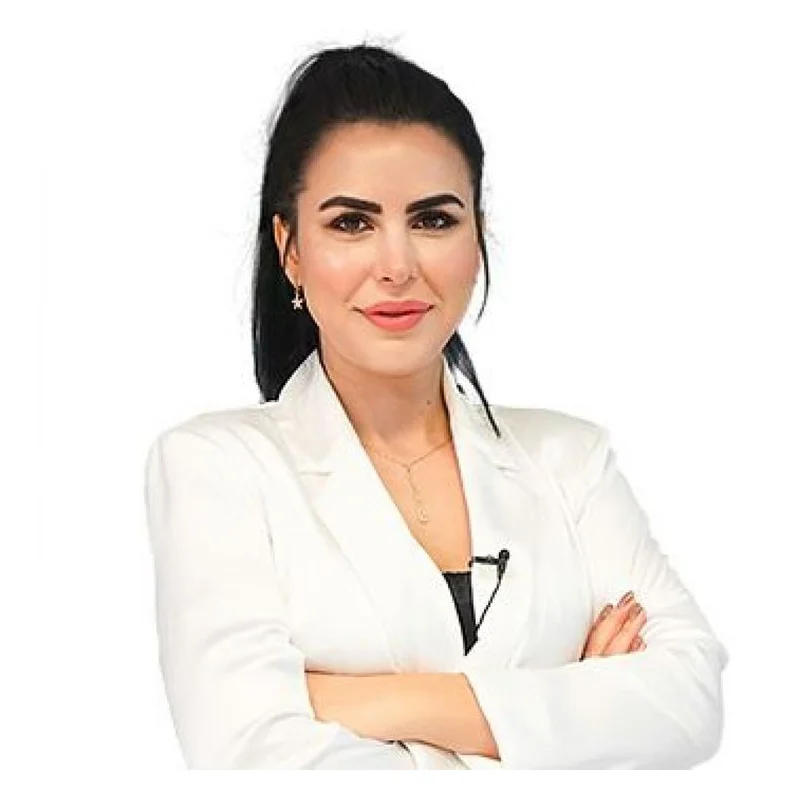
Hacer Erayhan
Hair TransplantVerified
- 19+years exp.
English · Turkish
FromPrice on request
Free quote
60 seconds · no obligationView Profile
Facial hair transplants in Turkey include beard, eyebrow, eyelash and moustache work. Each moves hair follicles to a small area where hair is thin or missing. This guide explains how they differ, who they suit, what recovery involves, what affects the price and how to check a clinic before you book.
A written plan with the surgeon's name and the full price — usually within 24 hours.

1 doctor Compare doctors, ratings and prices — ask any of them for a free quote.
Hair TransplantVerified
English · Turkish
60 seconds · no obligationView Profile
A facial hair transplant moves hair follicles from a donor area, usually the back of the scalp, to a place on the face where hair is sparse or absent. This category lists four procedures: beard, eyebrow, eyelash and moustache transplantation. They belong to Hair Transplant treatments in Turkey, but they are far more detailed work than treating the scalp.
In each case the transplanted hairs keep the character of the donor hair, so they will grow, and may need trimming, in a way that can differ from the hair around them.
The treatment suits people who have a stable cause of sparse hair, such as genetics, an old scar or injury, or hair lost to plucking, and who have enough healthy donor hair. Scalp hair that is very fine, limited or affected by active disease can limit what is possible. A condition such as alopecia areata or an active skin problem needs a doctor's assessment first.
Choose by the area and the result you want. A beard needs many grafts and the angle and direction have to match natural growth. Eyebrows demand a fine, natural angle and small grafts. Eyelash work uses very few hairs and carries more risk to the delicate eyelid. Ask for photographs of the surgeon's own results on the same area, and ask how many grafts they would use and why. A realistic discussion should include the possibility that a second session is needed to reach the density you want.
Beard and moustache procedures are usually performed in one day under local anaesthetic, with the hair taken follicle by follicle from the scalp. Eyebrow and eyelash procedures are shorter. Many patients fly in for two to four days, including a check the day after surgery.
Expect small scabs and redness in the treated area for about a week, and slight swelling in the first days. You will be told how to wash the area and what to avoid, such as rubbing, swimming and strenuous exercise, for a period. The transplanted hairs usually shed within the first weeks and new hair grows back over the following months, so the final result takes several months to judge. Follow your clinic's written aftercare closely, and avoid make-up on the area until the surgeon agrees.
The cost mainly depends on the area treated and the number of grafts needed, the technique, the time the work takes and the surgeon's and team's experience. Beards usually need more grafts than eyebrows, and eyelashes are specialised work. Extra sessions, medication, accommodation and transfers may be included or charged separately. Compare quotes on the same basis, and be cautious about any offer that gives a price before seeing photographs or that guarantees a result.
Look for a hospital or clinic licensed by the Turkish Ministry of Health and authorised for international patients. Hair transplantation is a medical procedure and should be directed by a doctor, with a trained team carrying out the extraction and implantation under their supervision. Ask who will actually perform each step, how many facial procedures the team does and whether you can see before and after photographs of the same procedure. Make sure aftercare, a follow-up check and a way to contact the clinic once you are home are part of the plan.
Send clear photographs of the area and of the back and sides of your scalp through our free quote form, with a short description of what you want. We pass them to suitable licensed hospitals, and the hospital replies with a written plan: the proposed procedure, the doctor, the estimated number of grafts, the stay and the full cost. Asking is free and carries no obligation.
You can compare plans and ask questions before deciding. If you travel, a coordinator can help with appointments and transfers. To see the full range, go to Hair Transplant treatments in Turkey.
Transplanted hairs usually shed in the first weeks, and new growth starts over the following months. The final result takes around a year to judge, and results vary from person to person.
The transplanted hairs are taken from the scalp and generally keep growing, so they need trimming. Results differ between patients, and the surgeon should explain what to expect in your case.
Some clinics offer it, but it is delicate work that uses very few hairs near the eye. Ask the surgeon how often they do it, what the risks are and whether a second session might be needed.
The area is numbed with local anaesthetic, so most people feel pressure rather than pain during the procedure. Some tenderness and tightness can follow for a few days, which your surgeon will advise you how to manage.
Often two to four days, which includes the procedure and a check the day after. Longer stays are sometimes advised for larger beard sessions, and your clinic will confirm the timing for your case.
People with very limited donor hair, an active scalp or skin condition, or unrealistic expectations may not be suitable. A doctor examines you and tells you honestly if the procedure is unlikely to help.
Send clear photographs of the area you want treated and of the back and sides of your scalp, plus a note on your health and medicines. A hospital needs them to estimate the grafts and give a plan.
Your request is in!
Your coordinator will contact you — usually within 2 hours, 24/7.
Want a faster, more accurate assessment?
Add photos & medical detailsLeave your number — a coordinator calls you in your language, usually within 15 minutes during office hours.
Thank you!
A coordinator will contact you at the time you chose.

