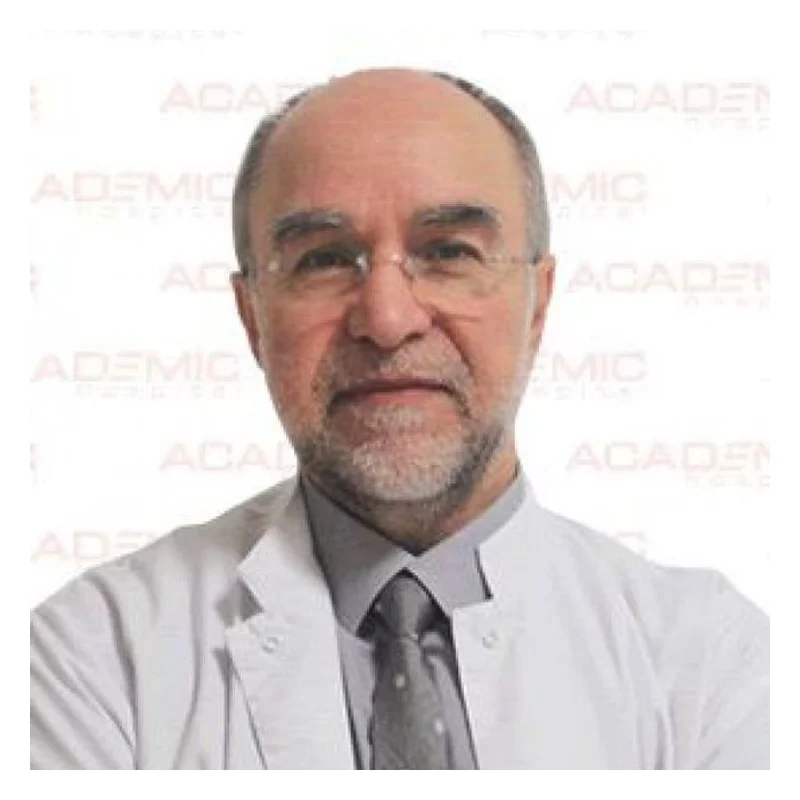
Uzm. Dr. Ertan Özen
GynaecologyVerified
- 36+years exp.
English · Turkish
FromPrice on request
Free quote
60 seconds · no obligationView Profile
What vaginal laser whitening is, how Q-switched and fractional lasers lighten pigment in the skin of the vulva, bikini line and perianal area, what the evidence says, who is a suitable candidate, approximate costs in Turkey against the UK, US and Germany, how many sessions are usual, aftercare, risks and how to choose a clinic.
A written plan with the surgeon's name and the full price — usually within 24 hours.

2 doctors Compare doctors, ratings and prices — ask any of them for a free quote.
GynaecologyVerified
English · Turkish
60 seconds · no obligationView Profile
GynaecologyVerified
English · Turkish
60 seconds · no obligationView Profile
Vaginal laser whitening is a cosmetic treatment that lightens darker skin on the external genital area, the bikini line, the inner thighs and the area around the anus, using a laser to break down excess pigment. The pigment is melanin, the same substance that colours the rest of the skin, and it is naturally deeper in these areas. It darkens further with hormones, pregnancy, friction from shaving or clothing, previous inflammation and age. The laser delivers very short pulses of light that the melanin absorbs; the pigment particles shatter, and the body clears them over the following weeks.
The name can mislead: the treatment works on the skin of the vulva and surrounding area, not on the inside of the vagina, and it does not change the colour of the mucous membrane, which is naturally pink to brown. This guide explains how it works, what the evidence says, who it suits, what it costs in Turkey compared with the UK, US and Germany, and how to choose a clinic. For the wider field of women's health see our gynaecology treatments in Turkey.
Several devices are used, and a clinic should name the one it uses. Choice depends on skin tone, the depth of the pigment and how much downtime you accept.
The operator protects the eyes and the mucous membranes, cleans and shaves the skin, and passes the handpiece over the area. A session takes about 15 to 30 minutes.
Lasers have good evidence for lightening pigment elsewhere on the body, and a few small studies report lightening of the vulva and perianal area after Q-switched Nd:YAG sessions. The research on intimate skin itself is limited: samples are small, follow-up is short and many studies lack a control group. Most dermatologists accept that a gradual lightening of one or two shades is realistic, while a pale or "pink" colour is not, and that results vary with skin type and the cause of darkening.
Two points matter for expectations. First, darker intimate skin is normal and not a sign of poor hygiene or disease, so the treatment is a cosmetic choice. Second, pigment can return, especially if the cause persists, such as friction, hair removal habits or hormonal change. Note also that safety warnings issued by the US Food and Drug Administration (FDA) concern lasers used inside the vagina for rejuvenation, which is a different treatment; see our guide to laser vaginal rejuvenation. Be wary of clinics that promise a specific shade or permanent results.
Good candidates are adults with stable, uninflamed skin who want a lighter tone in the bikini line, labia majora or perianal area and who understand that the change is gradual. Before treatment a doctor should ask why the skin is dark. Pigment from friction, shaving or old inflammation may improve with a change of habits, while a patch with a changing shape, colour or border needs a dermatological check first because it may be a mole, a skin condition or, rarely, a cancer. Dark patches can also be related to conditions such as acanthosis nigricans or hormonal disorders that need medical review.
It is usually postponed if you are pregnant, breastfeeding, have an active infection, herpes outbreak, open wounds, recent sun exposure or tanning or a history of keloid scars. People with very dark skin can be treated but need a careful test patch and low settings, because strong energy can cause lighter or darker spots.
The ranges below are approximate for a typical course of four to six sessions, not hospital quotes. The price depends on the laser type, the size of the area (bikini line only or including the perianal skin), the number of sessions and whether a doctor or a technician performs it. Each clinic confirms its price in writing.
| Country | Approximate cost range (course) |
|---|---|
| Turkey | €350 – €1,500 |
| United Kingdom | €900 – €3,000 |
| United States | €1,200 – €4,000 |
| Germany | €800 – €2,800 |
Check whether the figure is per session or per course, whether a skin assessment and a patch test are included, and whether aftercare creams are supplied. As the treatment needs repeated visits spaced a few weeks apart, a single trip covers only part of a course; ask how the remaining sessions can be arranged or whether a more intense schedule is safe for your skin.
Laser is one of three ways to lighten the area. Topical creams containing agents such as azelaic acid, vitamin C or prescribed lightening agents are slow and can irritate delicate skin. Chemical peels use mild acids to remove pigmented surface cells; read about the vagina chemical peel for how that works.
| Option | Suits | Typical limits |
|---|---|---|
| Q-switched or picosecond laser | Persistent pigment in the bikini line and perianal skin | Several sessions; risk of lighter or darker spots if poorly set |
| Chemical peel | Mild to moderate surface pigment | Peeling and redness; can irritate; results vary |
| Lightening creams | Mild darkening, as a maintenance step | Slow; irritation; products vary in safety |
Many dermatologists combine them: a laser course, followed by sun protection and a gentle maintenance cream.
Most people describe a snapping or rubber-band sensation with each pulse, plus warmth, and the area can be sensitive because the skin is thin. Numbing cream applied for 30 to 45 minutes usually makes it comfortable. Results build gradually: after each session, the pigmented skin can look slightly darker or flaky for a few days as the cells shed, and a visible lightening appears after the second or third session. Expect a modest and gradual change over two to four months, which is stable only as long as friction, hormones or sun exposure do not darken the skin again. Before-and-after photographs in clinics should be of similar skin type and taken in similar light.
Recovery is quick. The area may be pink, warm or slightly swollen for a day or two and can feel like a mild sunburn. Wash gently with a mild cleanser, apply any prescribed cream, avoid friction from tight clothing, shaving, waxing, intercourse, saunas, swimming and exercise for about three to five days, and avoid sun exposure on the area. Some skin flaking and temporary darkening of treated spots can occur and settles in one to two weeks. Seek advice for blistering, severe pain, pus or signs of infection.
Because the sessions are spaced about four to six weeks apart, a trip usually covers one or two sessions over a stay of two to three nights. Many people combine the first session with a consultation, then continue locally if the clinic provides a written treatment plan and settings.
Common effects are redness, swelling, tenderness and temporary changes in colour. Less common risks include blisters, burns, infection, reactivation of herpes simplex, scarring, and lighter patches (hypopigmentation) or darker patches (hyperpigmentation), which are more likely on darker skin, with strong settings or without sun protection. Poorly trained operators and unsuitable devices increase the risk. The NHS and the British Association of Dermatologists advise choosing a regulated practitioner for any laser treatment, and the FDA reminds women that devices cleared for one purpose are not necessarily approved for another. A doctor should explain these risks and ask you to sign consent before treatment.
Choose a clinic led by a dermatologist or gynaecologist, in a licensed facility, that examines the skin, asks about the cause of the pigment, performs a patch test and names the laser and settings. Red flags include a guaranteed colour, a flat price for unlimited sessions, treatment of a changing mole or patch without examination and no aftercare plan. Read how our process works and request a plan through our free quote page.
It is a cosmetic treatment that uses a laser to lighten darker skin on the vulva, bikini line and perianal area by breaking down excess melanin. It works on the skin, not on the inside of the vagina.
Small studies and clinical experience suggest a gradual lightening of one or two shades is realistic, but research on intimate skin is limited. Results vary with skin type and the cause of darkening, and are not guaranteed.
Approximate ranges are about €350 to €1,500 for a course in Turkey, against roughly €900 to €3,000 in the UK. The price depends on the laser, the area and the number of sessions, and is confirmed in a written quote.
Most plans use four to six sessions, spaced four to six weeks apart, with visible lightening after the second or third. The doctor adjusts this after assessing your skin tone and pigment depth.
Most people feel a snapping or warm sensation with each pulse. Numbing cream applied beforehand makes it tolerable, though the skin is thin and sensitive. Redness or soreness usually settles within a day or two.
Recovery is short. The area can look pink and feel like mild sunburn for one to two days, and flaking may last up to two weeks. Avoid friction, shaving, saunas and intercourse for about three to five days.
Not necessarily. Lightened skin can darken again if friction, hormones, shaving habits or sun exposure continue. Maintenance sessions or a gentle cream may be suggested.
It can be done, but dark skin needs a patch test, a suitable laser such as Nd:YAG and low settings, as strong energy can cause lighter or darker spots. Choose a clinician experienced with your skin type.
Laser suits persistent pigment and works over several sessions. Peels suit milder surface pigment but can irritate. A dermatologist can advise which suits your skin, and the two are sometimes combined.
Two to three nights usually cover a consultation and one or two sessions. Because a course is spread over weeks, ask the clinic how remaining sessions can be arranged.
Your request is in!
Your coordinator will contact you — usually within 2 hours, 24/7.
Want a faster, more accurate assessment?
Add photos & medical detailsLeave your number — a coordinator calls you in your language, usually within 15 minutes during office hours.
Thank you!
A coordinator will contact you at the time you chose.