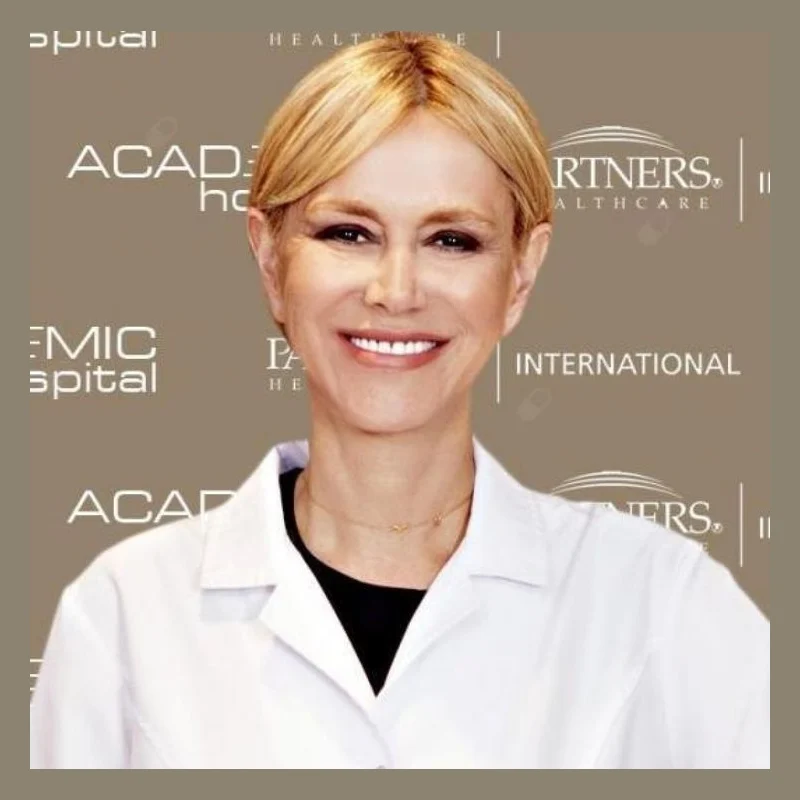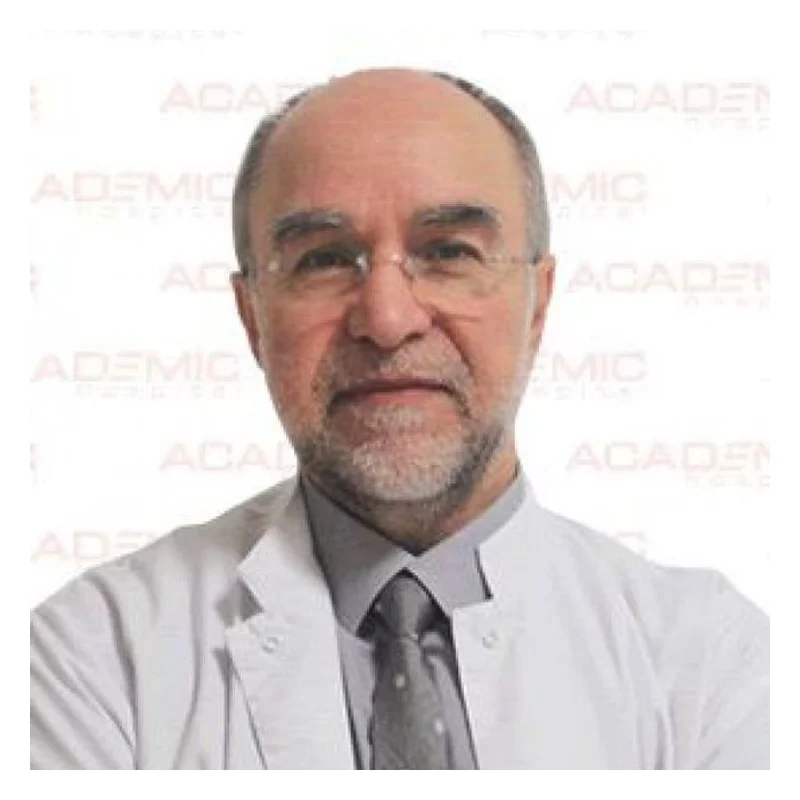
Uzm. Dr. Ertan Özen
GynaecologyVerified
- 36+years exp.
English · Turkish
FromPrice on request
Free quote
60 seconds · no obligationView Profile
What curettage (dilation and curettage, D&C) is, why it is done after a miscarriage, for heavy bleeding or to take a uterine sample, how the procedure is carried out under anaesthesia, how it compares with medication and hysteroscopy, approximate costs in Turkey against the UK, US and Germany, recovery, rare risks and how to choose a gynaecology team.
A written plan with the surgeon's name and the full price — usually within 24 hours.

2 doctors Compare doctors, ratings and prices — ask any of them for a free quote.
GynaecologyVerified
English · Turkish
60 seconds · no obligationView Profile
GynaecologyVerified
English · Turkish
60 seconds · no obligationView Profile
Curettage, usually performed as dilation and curettage (D&C), is a short gynaecological procedure in which the cervix is gently opened and the lining of the uterus is removed with a spoon-shaped instrument called a curette or with suction. It is done for two main purposes. The first is treatment: to remove tissue that remains in the uterus after a miscarriage or an incomplete termination, or to control some causes of heavy bleeding. The second is diagnosis: to obtain a sample of the endometrium (the womb lining) to look for abnormal cells when bleeding is unexplained. The operation is brief, normally lasts 10 to 20 minutes and is often a day case.
This guide explains how curettage works, when it is advised and when other options may suit you, what it costs in Turkey compared with the UK, US and Germany, how long recovery takes and what the risks are. For other options see our overview of gynaecology treatments in Turkey.
The procedure is carried out in an operating theatre under general anaesthesia or sedation with a local block, depending on your health and preference.
There are no external cuts. Most women go home the same day once they are awake, eating and passing urine.
Not always. After a miscarriage the body can often pass the tissue itself (expectant management), or the process can be helped with tablets such as misoprostol. The NHS and the Royal College of Obstetricians and Gynaecologists (RCOG) describe surgical removal as one of the choices, advised more strongly when there is heavy or persistent bleeding, signs of infection, retained tissue on scan or when a woman prefers a planned, predictable procedure. Waiting is safe for many women, but it can take days or weeks and may be painful. Which approach is suitable depends on how far the pregnancy had advanced, your symptoms and the ultrasound result, so a doctor should explain the options before you decide.
As a diagnostic test it gives a tissue sample that a pathologist examines, and it can pick up polyps, hyperplasia or cancer of the lining. Its limit is that a blind scrape may miss a localised area, which is why current practice often prefers hysteroscopy, in which a thin camera lets the surgeon see inside the womb and take targeted biopsies; read about hysteroscopy. As a treatment for heavy periods, curettage may reduce bleeding for a short time but does not cure the cause, so it is rarely used alone. Fibroids or polyps shown on a scan are removed more precisely by hysteroscopic procedures such as hysteroscopic myomectomy.
The figures below are approximate ranges for a day-case procedure, not hospital quotes. They depend on the type of anaesthesia, whether the procedure is combined with hysteroscopy, the laboratory examination of the tissue and whether you stay overnight. Each hospital confirms its price in writing.
| Country | Approximate cost range |
|---|---|
| Turkey | €300 – €1,200 |
| United Kingdom | €900 – €2,500 |
| United States | €1,500 – €5,000 |
| Germany | €800 – €2,000 |
What changes the price: general anaesthesia versus sedation, whether the surgeon uses a hysteroscope, pathology tests on the tissue, any overnight stay and pre-operative scans and blood tests. A package normally includes the consultation, the operation, the anaesthetist, the tissue examination and follow-up advice; ask for the list in writing.
| Option | Suits | Typical limits |
|---|---|---|
| Surgical curettage or suction | Retained tissue after miscarriage, heavy bleeding, a planned procedure | Needs anaesthesia; small risks of perforation and adhesions |
| Medication (misoprostol) or waiting | Early miscarriage without infection or heavy bleeding | Bleeding and cramps can last days; sometimes surgery is still needed |
| Hysteroscopy with biopsy or removal | Abnormal bleeding, polyps, fibroids, suspected adhesions | Needs equipment and a trained surgeon; not for every emergency |
A surgeon may also combine procedures, for example hysteroscopy followed by curettage, and for large or recurrent fibroids a different operation such as hysterectomy may be discussed. The choice should rest on your diagnosis, your wish to become pregnant and your own preferences.
Women with retained tissue after a miscarriage, persistent bleeding after a termination or abnormal bleeding needing a sample are typical candidates. Curettage is not suitable if you have an active pelvic infection, are unstable because of heavy blood loss (when emergency care comes first), have an ongoing wanted pregnancy, or have a blood-clotting disorder that has not been assessed. Tell the team about blood thinners, diabetes, heart or lung problems, allergies and previous uterine surgery, as these affect the anaesthetic and the risk of complications.
Curettage is a day-case operation, so most patients stay two to three nights, one for the procedure and review and the rest to rest before flying. Light bleeding or spotting and period-like cramps are normal for several days, sometimes up to two weeks. Most women return to desk work within one to three days and avoid heavy lifting, swimming, baths and sex until the bleeding stops, usually for about a week or as the doctor advises. Use pads rather than tampons. Short flights are normally fine once the doctor has seen you; very heavy bleeding, fever, severe pain or foul-smelling discharge need urgent medical attention.
After a miscarriage, the aim is to clear the womb, and bleeding settles quickly in most women. The next period usually returns within four to six weeks. Guidance from the NHS says it is generally safe to try again once you feel ready physically and emotionally, although some doctors advise waiting for one period. If curettage was done for diagnosis, the pathology report is normally ready in one to two weeks and the doctor explains the result and any treatment. Remember that curettage is not a treatment for the cause of recurrent miscarriage; if you have had more than one loss, ask about investigations.
Curettage is a common operation and serious problems are uncommon, but they can occur. Risks include bleeding, infection, injury to the cervix and perforation of the uterus, which is rare and may need further surgery. Repeated or forceful scraping can leave scar tissue inside the womb (intrauterine adhesions, Asherman syndrome), which can cause light periods or affect fertility; this is one reason gentler suction or a hysteroscopic approach is often chosen. Anaesthetic risks apply as in any operation. The NHS and RCOG advise reporting fever, heavy bleeding or severe pain promptly. Ask who will look after you if there is a problem after you return home.
Check that a specialist in obstetrics and gynaecology performs the procedure in a licensed hospital with an anaesthetist and the capacity to deal with bleeding. The team should examine you, review your scan and test results and explain alternatives before agreeing to operate. Red flags include a price quoted without a consultation, pressure to have surgery when waiting would be safe, no pathology examination of the tissue and no aftercare plan. Read how our service works and send your records through our free quote page for a written plan.
Questions to ask the clinic:
Curettage, usually dilation and curettage (D&C), is a short procedure in which the cervix is opened and the lining of the uterus is removed with a curette or suction, either to treat or to diagnose a problem.
It removes tissue that remains in the womb, which can cause bleeding or infection. It is one option alongside waiting or taking tablets, and is advised more strongly with heavy bleeding, infection or retained tissue on scan.
Approximate ranges are €300 to €1,200 in Turkey, against about €900 to €2,500 in the UK. The price depends on the anaesthetic, any hysteroscopy, tissue tests and whether you stay overnight.
You are under anaesthesia or sedation, so you should not feel the procedure. Afterwards period-like cramps and light bleeding are common for several days and are usually controlled with simple painkillers.
The procedure takes about 10 to 20 minutes, and you are usually ready to go home within a few hours once you are awake, eating and passing urine.
Most women return to light work in one to three days. Bleeding and cramps can last up to two weeks, and you avoid swimming, baths and sex until bleeding stops, as your doctor advises.
Risks include bleeding, infection, injury to the cervix and rarely perforation of the uterus. Repeated scraping can cause scar tissue (Asherman syndrome), so gentle suction or a hysteroscopic method is often chosen.
A single, carefully performed curettage rarely affects fertility. Scar tissue inside the womb is the main concern, so tell your doctor about any later light periods or difficulty conceiving.
Curettage scrapes the lining largely without seeing it, while hysteroscopy uses a thin camera to see inside the womb and take targeted biopsies or remove polyps. Many surgeons prefer hysteroscopy for diagnosis.
Two to three nights is usual, allowing for the procedure, a check afterwards and time to rest before the flight. If combined with other surgery, the doctor may suggest a longer stay.
Your request is in!
Your coordinator will contact you — usually within 2 hours, 24/7.
Want a faster, more accurate assessment?
Add photos & medical detailsLeave your number — a coordinator calls you in your language, usually within 15 minutes during office hours.
Thank you!
A coordinator will contact you at the time you chose.