
5.0(14)
Op. Dr. Murat Yaman
Plastic & Aesthetic SurgeryVerified
- 11+years exp.
- 5,000+surgeries
- 6Treatments
Turkish · English
From€3,520
Free quote
60 seconds · no obligationView Profile
Tummy Tuck in Turkey costs from €3,520 — about 63% less than in the UK & EU. Compare verified surgeons, read reviews and get a free all-inclusive quote.
A written plan with the surgeon's name and the full price — usually within 24 hours.

1 doctor Compare doctors, ratings and prices — ask any of them for a free quote.
Plastic & Aesthetic SurgeryVerified
Turkish · English
60 seconds · no obligationView Profile
A tummy tuck — abdominoplasty — removes loose skin and fat from the lower abdomen and, in most cases, tightens the stomach muscles that have separated after pregnancy or weight loss. It is one of the operations patients most often travel to Turkey for, mainly because of the price: a full tummy tuck in a private hospital in Istanbul costs roughly half of what patients pay in the UK and about a third of a typical all-in price in the USA, with the hospital stay, transfers and hotel often included.
The price is only part of the decision. A tummy tuck is a larger operation than a nose job or a breast augmentation: it takes two to four hours under general anaesthesia, leaves a long scar across the lower abdomen and needs a careful recovery, including protection against blood clots on the flight home. Whether it goes well depends on the surgeon's experience, on a hospital that can handle a complication, and on enough time in Turkey before you fly. This guide explains the real costs, the types of tummy tuck, who is — and who is not — a good candidate, how the trip is organised day by day, and how to check a surgeon and hospital before you pay anything.
The hospitals that perform tummy tucks on our site, with their own prices for international patients, are listed on this page; the surgeons who perform the operation are shown at the top. Every quote is free and you decide only after a surgeon has reviewed your photos.
Free and without obligation: tell us what you want to change and send a few photos — by form or WhatsApp.
A surgeon reviews your case and you receive a personal plan with the price, usually within 24 hours. Compare hospitals; nothing is paid in advance.
Airport pick-up, examination, surgery and check-ups in Istanbul, then follow-up with your surgeon after you fly home.
Hospitals on our site that perform Tummy Tuck, with each hospital's own list price for international patients, shown in your currency.
| Type | Price in Turkey | |
|---|---|---|
| Tummy Tuck and Liposuction | Price on request | Get price |
| Mommy Makeover | Price on request | Get price |
| VASER (3 Areas) + Tummy Tuck | Price on request | Get price |
| Reverse Tummy Tuck | Price on request | Get price |
| Six-Pack Male Tummy Tuck | Price on request | Get price |
| Male Tummy Tuck | Price on request | Get price |
| Fleur-de-Lis Tummy Tuck | Price on request | Get price |
| Mini Tummy Tuck | Price on request | Get price |
A coordinator replies in your language by WhatsApp or e-mail.
A surgeon reviews your photos and you receive a written plan with the surgeon's name and the price.
Ask anything and take your time — nothing is paid in advance.
Searching, comparing and requesting quotes costs nothing. You pay the hospital directly, at the price in your written quote — never a pre-payment to us.
Every price on this page is the hospital's own price for international patients, shown live in your currency, with what the package includes.
Your quote names the surgeon and the hospital and lists exactly what is included — no anonymous packages.
We list licensed hospitals with an international patient department; accreditations such as JCI are shown on each hospital page.
We show real patient reviews, including Google reviews and critical ones, and we never invent ratings.
A coordinator in your language answers within hours, arranges transfers and an interpreter, and stays in touch after you fly home.
A tummy tuck in Turkey costs from €3,520 at the accredited hospitals on this page; the list above shows each hospital's own price in your currency. Across the market, tummy tuck prices in Turkey for full abdominoplasty packages for international patients usually fall between about €3,000 and €5,000; combined operations such as a tummy tuck with liposuction or a mommy makeover cost more. A price far below that range usually means a day clinic instead of a hospital, a mini tummy tuck sold as a full one, or costs that are added after you arrive.
The table compares typical total prices for a full tummy tuck. Turkish prices are hospital package prices for international patients; prices in other countries are approximate private-sector totals including the surgeon, anaesthesia and hospital, and vary widely between clinics.
| Country | Typical price of a full tummy tuck | What is usually included |
|---|---|---|
| Turkey | from €3,520 | Surgeon, anaesthesia, 1–2 nights in hospital, tests, compression garment, airport and hospital transfers; hotel nights often included in packages |
| United Kingdom | about £6,000–£9,000 | Surgeon, anaesthesia and hospital; travel and garments separate |
| United States | about $9,000–$15,000 | Surgeon's fee (on average about $7,000–$8,000) plus anaesthesia, facility and garments, often billed separately |
| Germany | about €6,000–€10,000 | Surgeon, anaesthesia and hospital stay |
In the UK a full tummy tuck at a private hospital usually costs about £6,000–£9,000, and more in central London or when liposuction is added; a mini tummy tuck is usually a few thousand pounds less. The NHS treats a tummy tuck as cosmetic surgery, so it is very rarely funded. Some local health boards fund the removal of a hanging skin apron (a panniculectomy) in exceptional cases — for example after major weight loss when the skin causes repeated infections or problems with daily life — but criteria are strict, waiting lists are long and muscle repair for appearance is not included. This is why many UK patients compare private prices at home with a tummy tuck in Turkey.
What makes one tummy tuck more expensive than another:
What an all-inclusive tummy tuck package usually includes: the surgeon's and anaesthesiologist's fees, the operating theatre, one or two nights in hospital, blood tests and an ECG, the first compression garment, drains if used, medication for the first days, blood-thinning injections when your surgeon prescribes them, VIP transfers between airport, hotel and hospital, and an interpreter. Many packages also include several hotel nights. Flights, extra hotel nights, a second garment and any further tests are usually not included — ask for a written list before you book.
Payment: at the hospitals on our site you pay the hospital directly when you arrive, by card or in cash; requesting a quote costs nothing and commits you to nothing. We do not arrange loans or payment plans, and we would advise against borrowing for cosmetic surgery.
"Tummy tuck" covers several operations that differ in the length of the scar, the amount of tissue removed and the recovery. Your surgeon recommends one after seeing photos of your abdomen from the front and side, standing and bending forward, and confirms it at the examination in Turkey.
| Type | Who it is for | Scar | Time in Turkey |
|---|---|---|---|
| Mini tummy tuck | Small amount of loose skin below the belly button, little or no muscle separation | Short, low, like a caesarean scar; belly button not moved | 5–7 days |
| Full tummy tuck | Loose skin above and below the belly button, separated muscles after pregnancy | Hip to hip, low enough to hide under underwear; scar around the belly button | 7–10 days |
| Extended tummy tuck | Loose skin that continues around the hips and flanks | Longer, towards the back | 10–12 days |
| Fleur-de-lis tummy tuck | Major weight loss with loose skin both vertically and horizontally | Horizontal plus a vertical scar up the middle | 10–14 days |
| Reverse tummy tuck | Loose skin only on the upper abdomen | Under the breasts | 7–10 days |
| Male tummy tuck | Men with loose skin after weight loss | Low, hip to hip | 7–10 days |
If you mainly have fat but firm skin, a tummy tuck is the wrong operation: liposuction alone removes fat with small scars. If your skin is loose all around the body after weight loss, a lower body lift may be the better choice.
Many patients ask whether liposuction alone would be enough, or whether they need a full or a mini tummy tuck. The answer depends on three things: how much loose skin you have, whether the abdominal muscles have separated, and where the fat sits. Pinch the skin below your belly button and look at your abdomen from the side while standing: if the skin folds over or hangs, and your lower belly bulges even when you tighten your muscles, liposuction alone will not give a flat result.
| Question | Liposuction | Mini tummy tuck | Full tummy tuck |
|---|---|---|---|
| Removes loose skin | No | Below the belly button only | Above and below the belly button |
| Repairs separated muscles | No | Lower abdomen only | Yes, from ribs to pubic bone |
| Scar | A few small marks | Short, low scar | Hip-to-hip scar and around the belly button |
| Back to desk work | About 1 week | About 1–2 weeks | About 2–3 weeks |
| Best for | Fat with firm skin | A small pouch below the belly button | Loose skin and muscles after pregnancy or weight loss |
A surgeon decides this from photos and an examination; if you are unsure, send photos from the front, the side and bending forward, and ask for an honest recommendation rather than a price for a specific operation.
You are likely a good candidate if your weight has been stable for at least six to twelve months, you are close to the weight you want to keep, you have loose skin or separated muscles that diet and exercise cannot change, you do not smoke or can stop for six weeks before and after surgery, and you have realistic expectations about the scar.
A tummy tuck is not a weight-loss operation. Most surgeons ask for a body mass index (BMI) below about 30–32 for a tummy tuck abroad; above that the risks of wound problems and clots rise, and the result is less flat. Women who plan another pregnancy are usually advised to wait, because pregnancy stretches the muscles and skin again.
Who should not have a tummy tuck abroad: patients with uncontrolled diabetes, heart or lung disease, a previous blood clot or a known clotting disorder, heavy smokers who cannot stop, patients who had bariatric surgery less than 12–18 months ago, and anyone who cannot stay the full recommended time in Turkey. For these patients surgery close to home — or no surgery — is safer. Tell your surgeon about every medicine, previous operation and health problem; it is part of a safe plan, not an obstacle.
The operation is done under general anaesthesia and usually takes two to four hours, longer when combined with liposuction or breast surgery.
Most patients spend one night in hospital, two after an extended tummy tuck or combined surgery. You walk, slightly bent forward, on the evening of the operation or the next morning — early walking is one of the most important measures against blood clots.
Many patients combine a tummy tuck with another operation to need only one trip and one recovery. The most common combinations are liposuction of the flanks and waist, a breast lift or breast augmentation — together called a mommy makeover — and fat transfer to the buttocks (BBL).
Combining saves money and time off work, but each added procedure makes the operation longer, and long operations raise the risk of blood clots and slow healing. Responsible surgeons limit the total operating time — usually to about five or six hours — and split the plan into two stages when needed. A tummy tuck combined with a BBL also means you must avoid sitting on the buttocks while protecting the abdomen, which makes the first weeks harder; ask your surgeon whether it makes sense for you.
Plan at least 7 days in Istanbul for a full tummy tuck, 5–7 days for a mini tummy tuck and 10–14 days for an extended tummy tuck, a fleur-de-lis tummy tuck or a mommy makeover. A typical plan for a full tummy tuck:
Travel with a companion if possible: in the first days you will need help getting up, showering and carrying luggage.
Recovery from a full tummy tuck takes longer than most patients expect. A realistic timeline:
The no-fly window: long flights in the first days after abdominal surgery raise the risk of a deep vein thrombosis. Most surgeons ask you not to fly for at least five to seven days after a tummy tuck and longer after combined surgery. On the flight, wear compression stockings, walk regularly, drink water and avoid alcohol and sleeping pills; take blood-thinning injections exactly as prescribed. Shortness of breath, chest pain or a swollen, painful calf after you return are emergencies — call the emergency services at once.
A tummy tuck is a safe operation for healthy patients in a proper hospital, but it carries more risk than most cosmetic operations, mainly because of its size. The most common problem is a seroma — fluid collecting under the skin — which affects a noticeable minority of patients and is drained with a needle at a check-up. Minor wound-healing problems at the centre of the scar are also fairly common, especially in smokers and patients with a higher BMI. Less common are infection, bleeding that needs a second operation, numbness of the lower abdomen (usually partly permanent), an asymmetric or wide scar, and "dog ears" at the ends of the scar that may need a small correction. The most serious risk is a blood clot in the legs or lungs; it is rare, but it is the reason for early walking, compression, blood thinners and the no-fly window.
You lower the risks by stopping smoking and nicotine products for at least six weeks before and after surgery, reaching a stable weight first, telling the surgeon about all medicines and health problems, choosing a hospital with an intensive-care unit and an anaesthesiologist present throughout, limiting combined surgery to a sensible operating time, and staying in Turkey for the full time your surgeon recommends.
Published figures vary with the patients and the type of operation, but large studies give a clear picture. Most complications after a tummy tuck are minor and treated without another operation. A seroma is the most frequent, reported in roughly 5–15 in 100 patients; minor wound-healing problems occur in a few per cent; a haematoma that needs drainage and infections each affect roughly 1–4 in 100. Serious complications are uncommon — in large insurance databases a few patients in 100 needed hospital treatment for a complication — and a blood clot in the legs or lungs affects fewer than 1 in 100 patients when clot prevention is used. The risk is clearly higher in smokers, patients with a BMI above 30, patients with diabetes, after combined operations and in long operations, which is why a careful surgeon asks about all of these before agreeing to operate.
Patients often search for the "best place for a tummy tuck in Turkey". There is no single best clinic, but there are clear criteria that separate a safe choice from a risky one.
Surgeons who perform tummy tucks on our site are listed at the top of this page with their hospital, experience and patient reviews; the hospitals and their prices are listed above. You can also compare plastic surgery options in Istanbul.
The result of a tummy tuck is a flatter, firmer abdomen and, when the muscles are repaired, a narrower waist and better posture. Many patients also lose the stretch marks below the belly button, because that skin is removed. The result is long-lasting as long as your weight stays stable; ageing continues, and a later pregnancy or large weight gain can stretch the skin and muscles again.
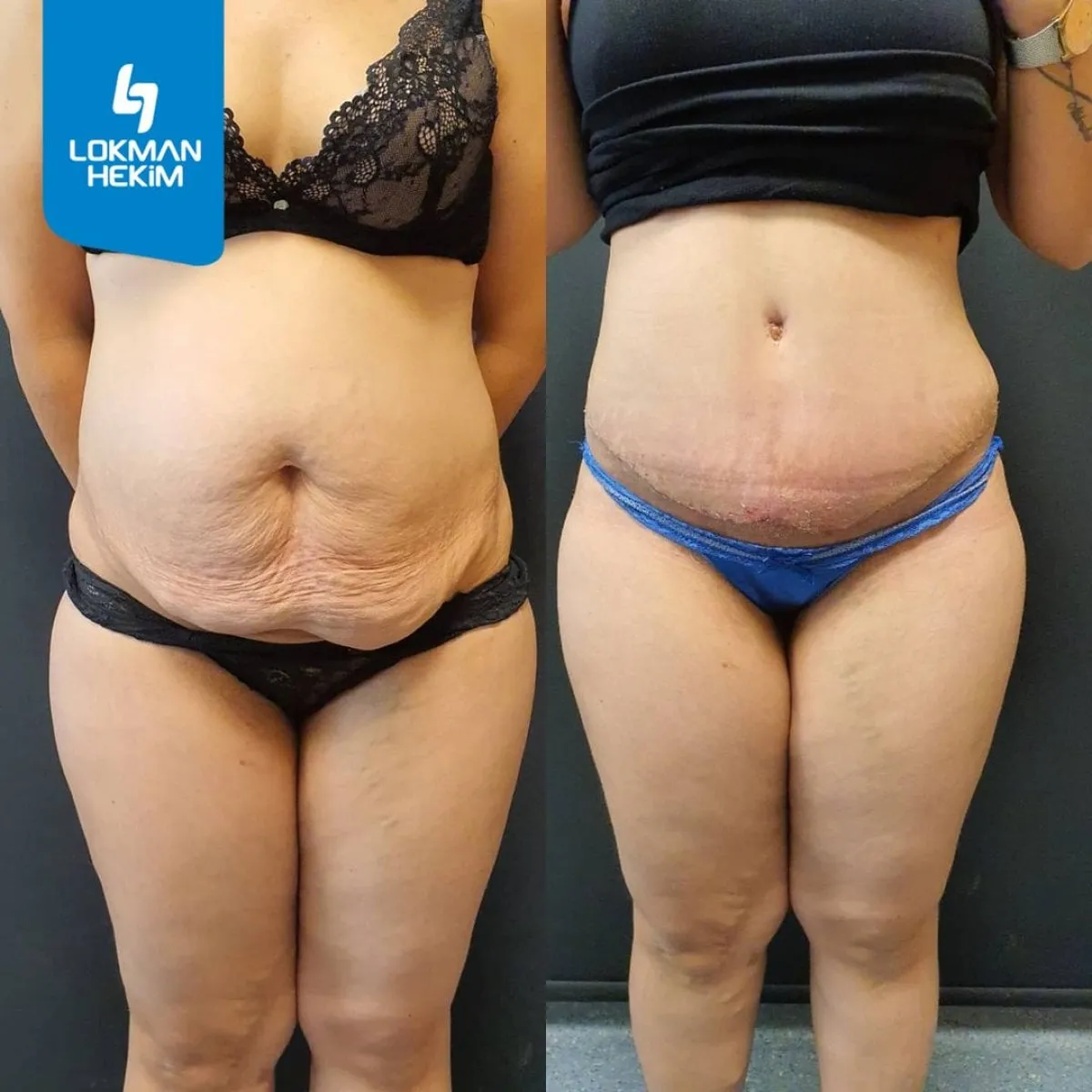
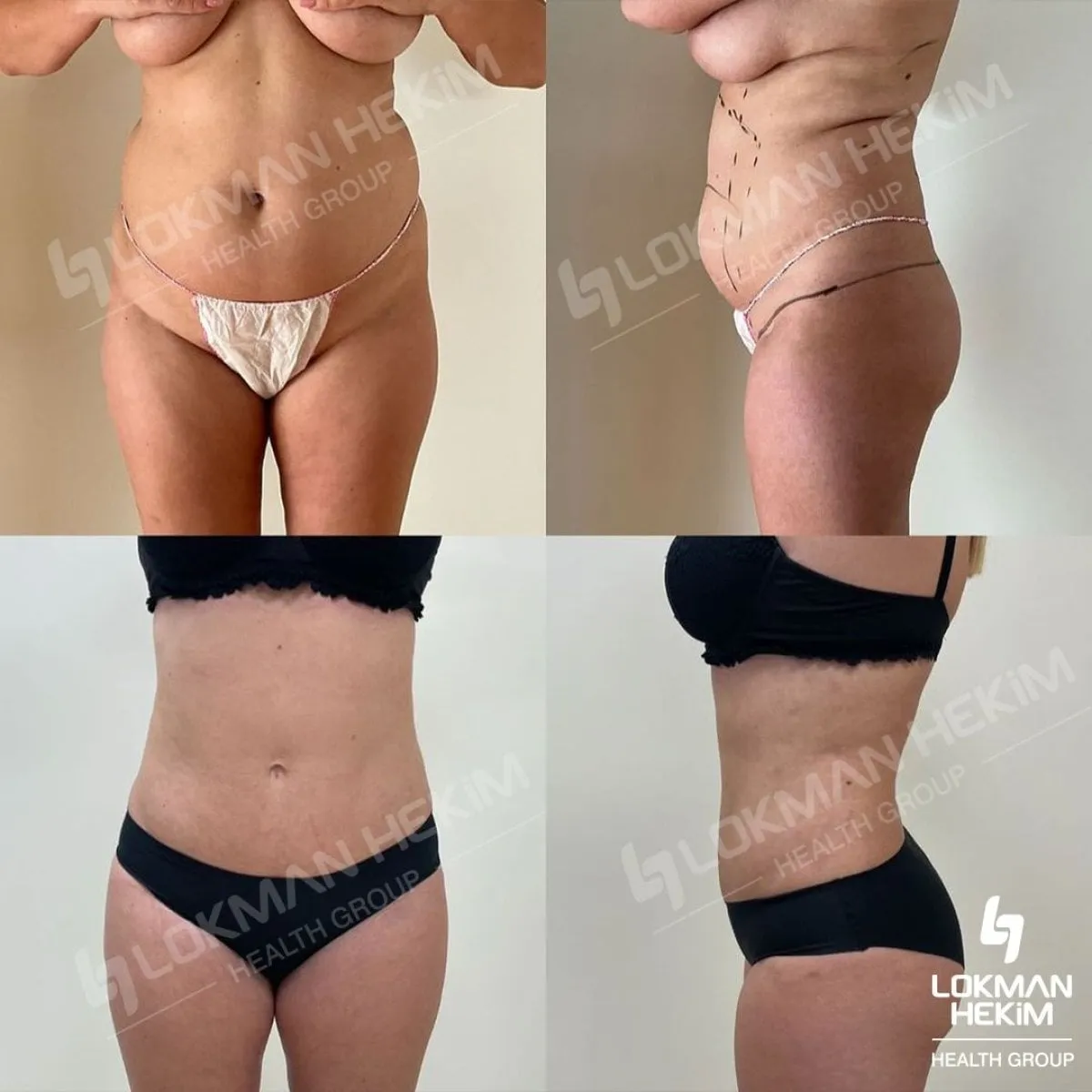
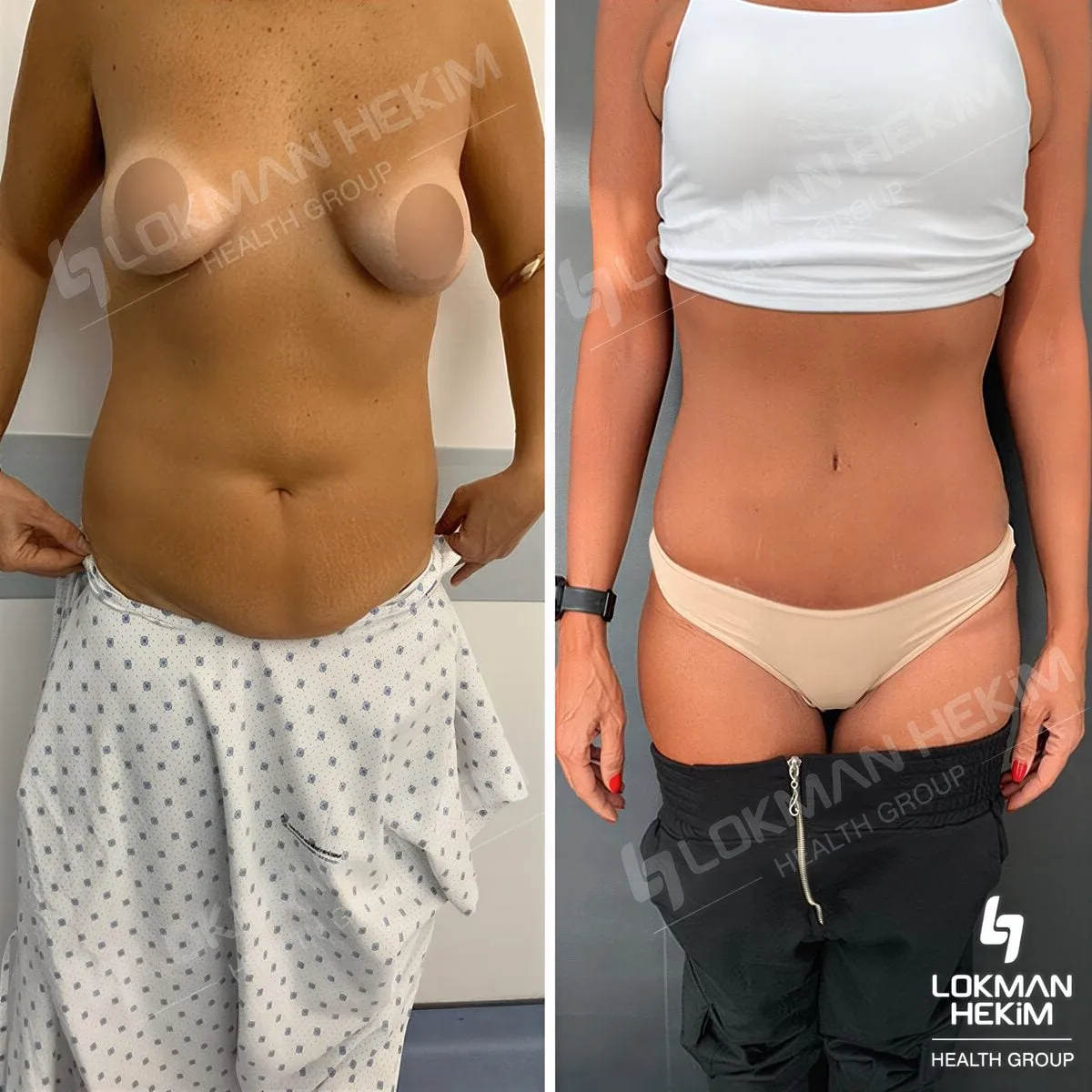
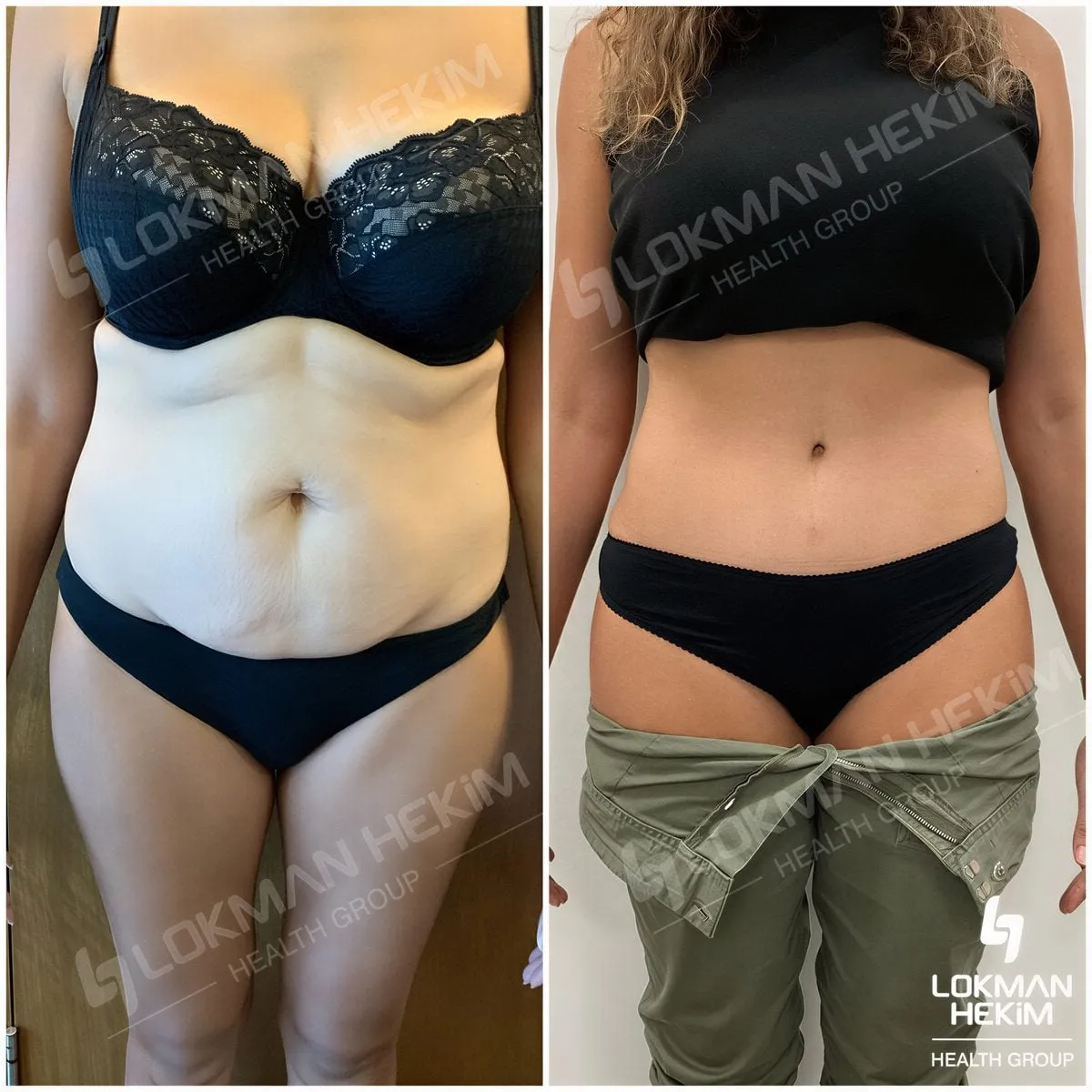
The scar is the price of the result. It runs low from hip to hip and is designed to be hidden under underwear or a bikini; it is red for the first months and fades over about a year. Silicone sheets or gel, sun protection and not smoking help it heal well. Look closely at the scars in the before-and-after photos on this page before you decide — they are part of every real result.
Before-and-after photos from surgeons who perform Tummy Tuck at our partner hospitals.
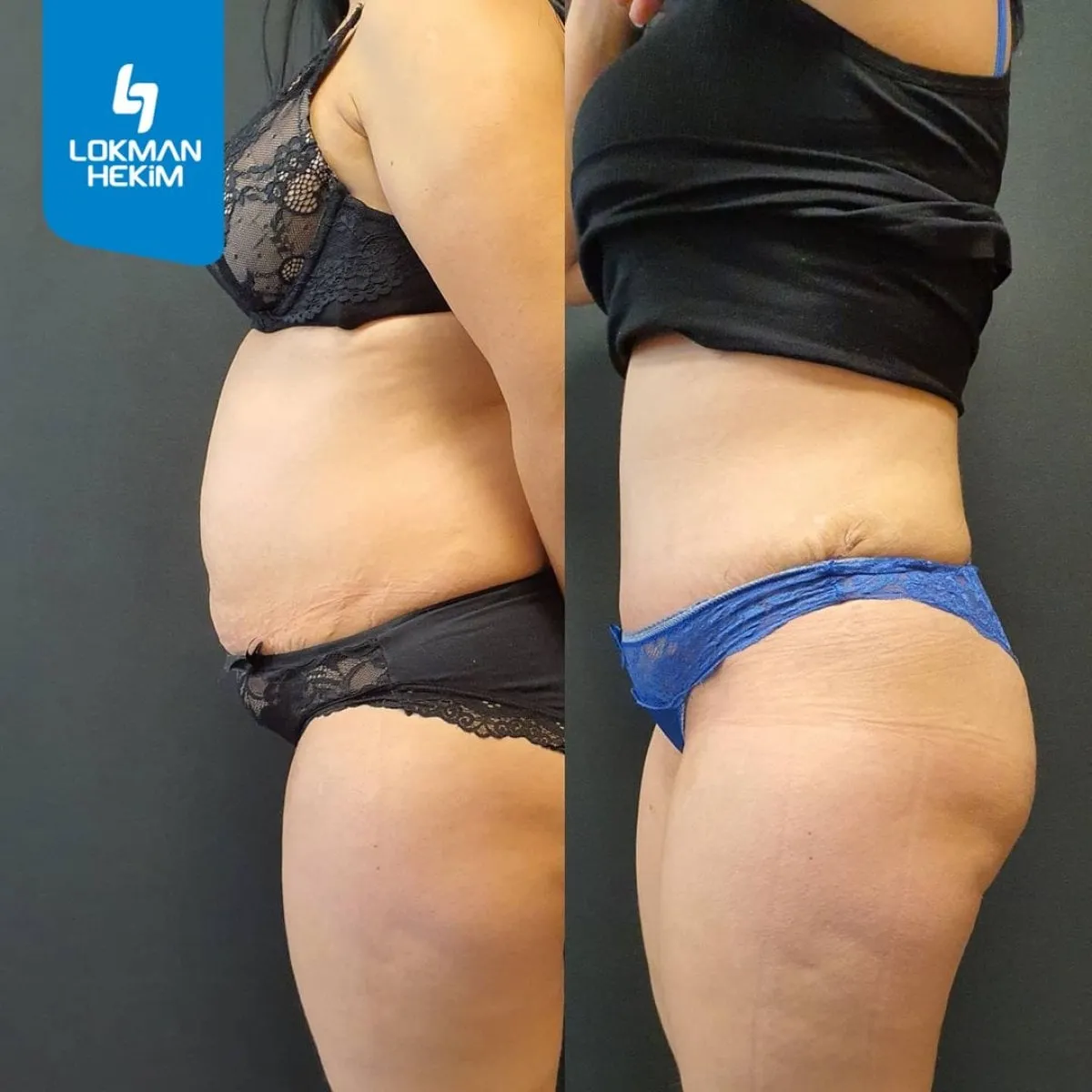 BeforeAfter
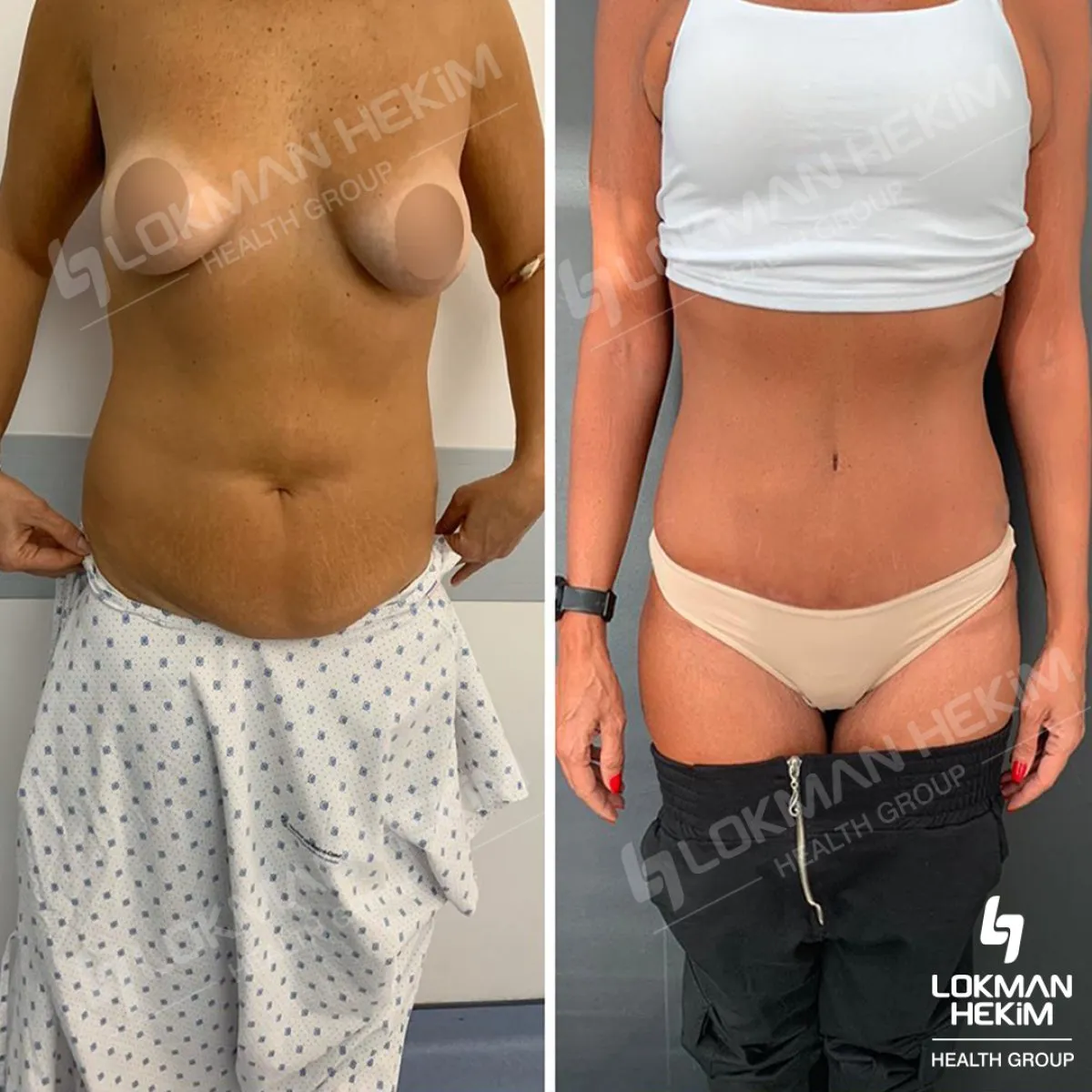 BeforeAfter
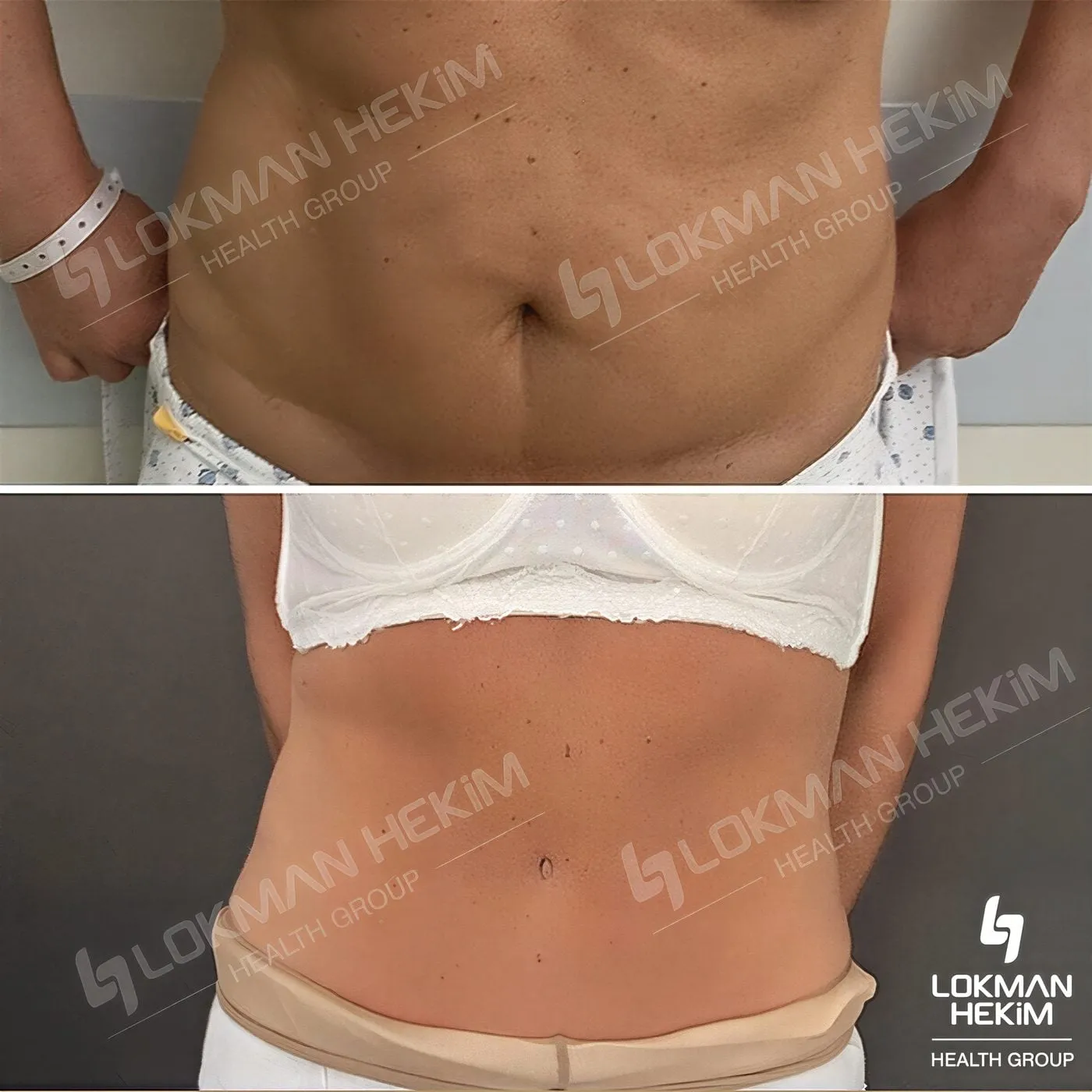 BeforeAfter
 BeforeAfter
 BeforeAfter
 BeforeAfter
 BeforeAfter
 BeforeAfter
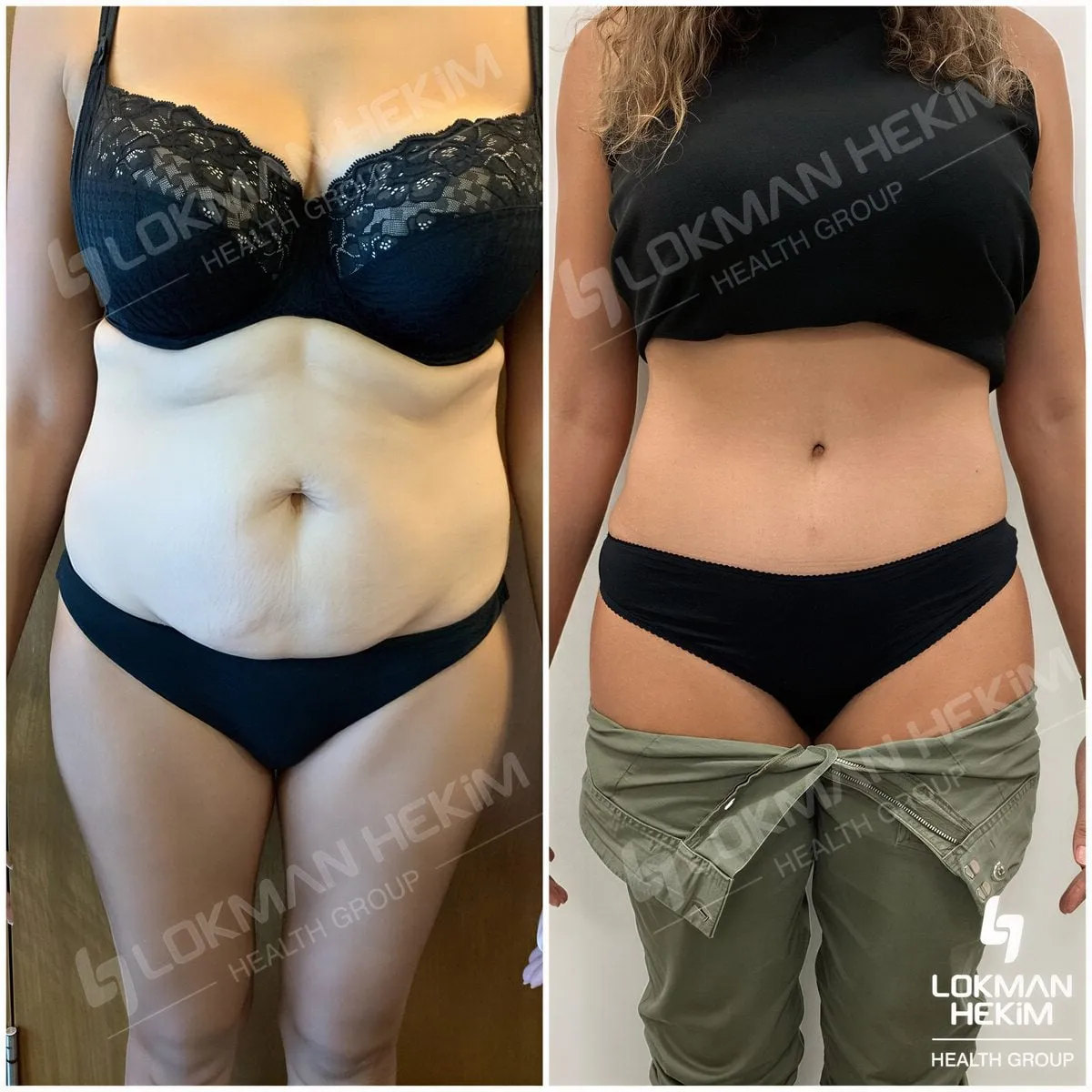 BeforeAfter
Shared with the patient's written consent
Reviews of the hospitals and surgeons on this page that perform Tummy Tuck, with reviews about this treatment first. Reviews from Google are marked.
I had a mommy makeover with Dr. Murat Yaman in September and I am extremely satisfied with my results. Dr. Yaman contoured my waist and back with liposuction and then performed the muscle repair with tummy tuck. His precision has given me a beautiful hour glass body. I am forever grateful to Dr. Murat Yaman. He is the most sweetest, gentlest person. The nurses at the hospital also cared for after surgery and did their best to assist me because I did not have a companion. Bless their hearts.
I had muscle repair combined with a Tummy tuck and Liposuction. I had an excellent experience at Lokman Hekim. The service was great from start to finish. I travelled on my own. They kept me in hospital an extra night to be sure I was ok. The doctor and nursing staff were attentive and thorough. So far 14 days post op I am very happy with my decision
Service was great, Ismael, Esrah and Dr Murat took great care of me along with all the nursing team.
Had a great experience. The staff took really good care of me. Especially Esra and Ismael and Dr Murat Yaman
I recently had an abdominoplasty with liposuction at the Lokman Hekim clinic with Dr. Murat Yaman. I want to express my gratitude to him for his skillful hands. He truly is a God-given doctor. The results exceeded all my expectations, and the recovery was easy and almost painless. I also want to note that the staff at this clinic is very responsible and attentive. They say that the staff is the face of the clinic, and Lokman Hekim can be proud of its staff. I especially want to mention nurse Esra Nezir, who surrounded me with care and attention. She is a person with a big heart and a kind soul. I recommend your clinic 100%. You are the best 🫶
LOKMAN HEKIM❤️ ⭐ My Hospital Experience I want to share my experience after my surgery at the hospital. Overall, I am very grateful for the care I received. I especially want to thank the nurses, the doctors, the translator, Dr. Murat, Ismael, and Esra Nezir, who looked after me and supported me throughout the entire process. Their treatment and attention were excellent, and they made me feel supported during my stay. What I think they should improve significantly is the hospital food. Personally, I found it quite poor, and in my case, there was a major problem because I am celiac and I informed them from the beginning that I needed gluten-free food. Even so, on two occasions, they made mistakes and brought me food that wasn't suitable for a celiac. This worried me especially because for a celiac, it's not just a simple food preference, but something that requires a lot of care. I think the kitchen staff should be better informed and pay much more attention to these kinds of needs. I would also improve the transfer from the hospital to the hotel. When I arrived in Istanbul, I was picked up in a large, comfortable car, but after the operation, when I left the hospital, I was transferred in a car that didn't seem suitable for someone who had just had surgery. After surgery, I think it's important to have a spacious and comfortable vehicle. After I expressed my opinion, they did improve the transfers afterward, and my experience went back to being excellent. Despite these areas for improvement, I am grateful to everyone who cared for me and was with me during this process. And I hope that, now that I'm returning to Spain, they will continue to monitor my recovery and keep checking on me after the operation. It's very important for me to feel that the support and follow-up continue even after I return home. A heartfelt thank you to the nurses, doctors, translator, Dr. Murat, Ismael, and Esra Nezir for your care, kindness, and support. ❤️
Every tummy tuck leaves a scar. Here is what it looks like, how it changes over the first year, what helps it fade — and when you can tattoo over it.
Read moreA realistic tummy tuck recovery timeline — from the first night to the final result — with the dates for work, driving, exercise and flying home.
Read moreLiposuction removes fat, a tummy tuck removes skin and repairs muscles. Here is how to tell which one you need — including after a C-section.
Read moreAt the accredited hospitals on our site a tummy tuck costs from about €3,500 for international patients (shown in your currency on this page). Across the Turkish market, full tummy tuck packages usually cost about €3,000–€5,000; a mini tummy tuck costs less, and a tummy tuck with liposuction, an extended tummy tuck or a mommy makeover costs more. Your exact price follows the surgeon's review of your photos.
It is as safe as the surgeon and hospital you choose and the time you allow for recovery. Choose a registered plastic surgeon who performs tummy tucks routinely, in a licensed hospital with an anaesthesiologist and intensive care on site, tell the surgeon about all health problems and medicines, and stay in Turkey for at least 7 days so that you do not fly too early.
Usually the surgeon and anaesthesiologist, the operating theatre, one or two nights in hospital, blood tests and ECG, the first compression garment, medication for the first days, transfers and an interpreter, and often several hotel nights. Flights, extra nights and a second garment are usually not included — ask for a written list.
Plan 7–8 days for a full tummy tuck, 5–7 days for a mini tummy tuck and 10–14 days for an extended or fleur-de-lis tummy tuck or a mommy makeover. Your surgeon checks the wound and confirms you are fit to fly before you leave.
Most surgeons ask you not to fly for at least five to seven days after a tummy tuck and longer after combined surgery. On the flight wear compression stockings, walk every hour, drink plenty of water and take blood-thinning injections if they were prescribed.
Most patients return to desk work after about two weeks, wear the compression garment for about six weeks, and return to the gym and heavier lifting after six to eight weeks. Swelling settles over several months and the final result and scar are visible after about a year.
A mini tummy tuck in Turkey removes a small amount of skin below the belly button through a short scar and does not move the belly button. A full tummy tuck removes loose skin above and below the belly button, usually repairs the separated muscles and leaves a scar from hip to hip plus a scar around the belly button.
Yes. A full tummy tuck leaves a scar from hip to hip, placed low so that underwear or a bikini covers it, and a small scar around the belly button. It is red for the first months and fades over about a year; silicone, sun protection and not smoking help.
Yes. Liposuction of the waist and flanks is the most common addition, and a tummy tuck with breast surgery is called a mommy makeover. Combining saves a second trip, but makes the operation and recovery longer; surgeons limit the total operating time for safety and may suggest two stages.
You are a good candidate if your weight has been stable for months, you are close to your goal weight, you have loose skin or separated muscles that exercise cannot fix, you do not smoke or can stop, and you do not plan another pregnancy soon. Most surgeons ask for a BMI below about 30–32 for surgery abroad.
Some surgeons operate on patients with a higher BMI, but the risks of wound problems and blood clots are higher and the result is less flat. Many surgeons ask you to lose weight first or suggest liposuction or a panniculectomy instead; send your photos, weight and height for an honest assessment.
The first days are tight and sore, especially when the muscles were repaired; prescribed painkillers control it. Most patients find getting up and standing straight the hardest part of the first week, and the discomfort decreases clearly in the second week.
It removes the stretch marks on the skin that is cut away, which is usually the skin below the belly button. Stretch marks above the belly button are moved lower and remain, though often less visible.
Real patient reviews are shown on the hospital and surgeon pages linked from this page, and before-and-after photos from surgeons who perform tummy tucks at our partner hospitals are shown on this page. Ask the surgeon for further cases similar to yours.
Very rarely. The NHS treats a tummy tuck as cosmetic surgery. Some areas fund removal of a hanging skin apron (panniculectomy) in exceptional cases after major weight loss, when it causes repeated infections or problems with daily life, but criteria are strict and muscle repair for appearance is not included.
The operation usually takes two to four hours under general anaesthesia — about one to two hours for a mini tummy tuck and longer when liposuction or breast surgery is added. Most patients stay one night in hospital.
A mini tummy tuck suits a small pouch of loose skin below the belly button without much muscle separation. If the skin is loose above the belly button as well, or the muscles separated after pregnancy, you need a full tummy tuck. A surgeon decides from photos taken from the front, the side and bending forward.
Yes. A tummy tuck does not affect fertility and pregnancy afterwards is generally safe, but pregnancy stretches the skin and muscles again and can undo part of the result. Surgeons therefore advise waiting until you no longer plan to have children.
Your request is in!
Your coordinator will contact you — usually within 2 hours, 24/7.
Want a faster, more accurate assessment?
Add photos & medical detailsLeave your number — a coordinator calls you in your language, usually within 15 minutes during office hours.
Thank you!
A coordinator will contact you at the time you chose.

 Op. Dr. Murat Yaman

