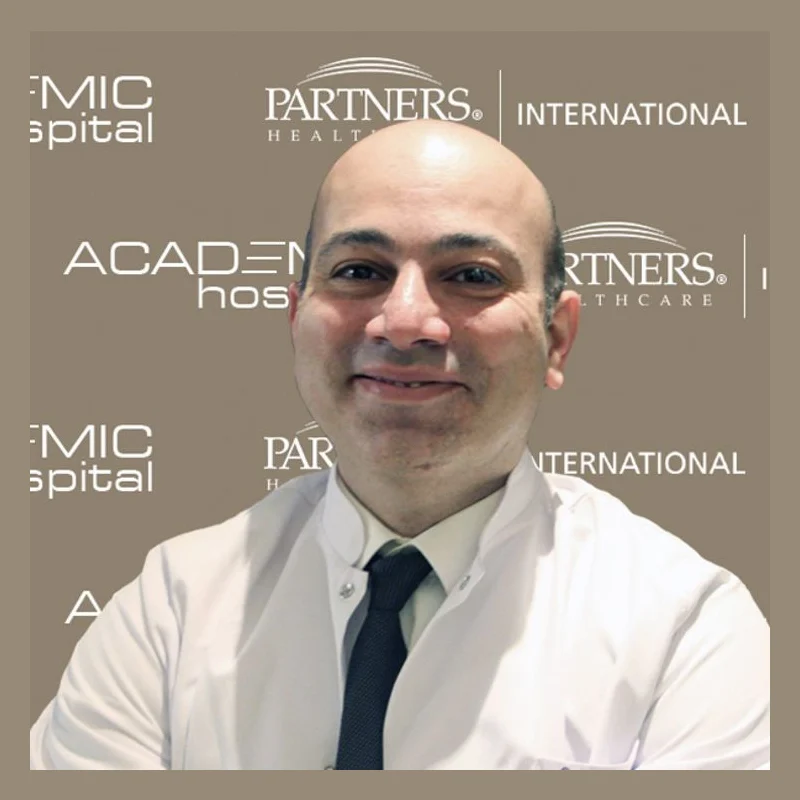
Dr. Öğr. Üyesi Görkem Kıyak
OrthopedicsVerified
- 21+years exp.
English · Turkish
FromPrice on request
Free quote
60 seconds · no obligationView Profile
A guide to fracture and trauma surgery in Turkey: bone fracture treatment, pelvic and clavicle fracture surgery, bone grafts, bone resection with implant replacement and amputation. It explains how they differ, who needs which, what the trip and recovery involve, what affects the price and how to check a hospital.
A written plan with the surgeon's name and the full price — usually within 24 hours.

1 doctor Compare doctors, ratings and prices — ask any of them for a free quote.
OrthopedicsVerified
English · Turkish
60 seconds · no obligationView Profile
Fracture and trauma surgery in Turkey covers operations that repair broken bones and rebuild bone that has been lost to injury, infection or disease. This page brings together bone fracture treatment, pelvic fracture surgery, displaced clavicle fracture surgery, bone grafts (natural, synthetic and Infuse), resection of bone with implant replacement and amputation. Our overview of Orthopedics treatments in Turkey shows how this group sits alongside joint replacement and spine surgery.
The treatments differ in their aim. Fracture surgery lines up the broken pieces and holds them with plates, screws or rods while the bone heals. A bone graft fills a gap or helps a fracture that is slow to heal; the graft can be taken from your own body, from a donor, or be a synthetic material or a protein-based product such as Infuse. Resection of the bone removes a damaged or diseased section, and when a gap is left it can be filled with an implant. Amputation is a last resort, used when a limb cannot be saved or is no longer functional.
Patients come in several situations: a recent fracture that needs surgery, a displaced or poorly healed fracture, a pelvic injury, a bone that has not united months after an operation, or bone damaged by a tumour or infection. Not every fracture needs surgery, and a cast or brace is sometimes enough. The decision depends on the bone, the position of the break, your age and general health, and how active you want to be afterwards.
Send the surgeon your X-rays, CT or MRI scans, operation notes and a list of medicines. A newly injured patient who is unwell, in severe pain or unable to move the limb should be treated where the injury happened; travel is better suited to planned operations, corrections of earlier surgery and reconstruction. Ask the surgeon why a particular method is suggested and what the alternatives are, including non-surgical care.
Most of these operations need general or regional anaesthesia and a hospital stay of several days, longer for pelvic surgery or complex reconstruction. After that you will usually need some days near the hospital for wound checks and X-rays before flying. Your surgeon will advise when it is safe to travel, as long flights can raise the risk of blood clots after bone surgery.
Recovery is gradual. Bones take weeks to months to heal, and you may need crutches, a sling or limited weight-bearing in the meantime. Physiotherapy is part of the result, so ask whether the hospital provides a rehabilitation plan, and how it can be continued at home. Some patients need a second operation later to remove metalwork or complete a reconstruction.
The price depends on the size and complexity of the operation, the implants and graft material used, the length of the hospital stay, the type of anaesthesia, and the rehabilitation included. Pelvic surgery and bone reconstruction generally cost more than a straightforward fracture repair, and an Infuse or implant-based graft costs more than a graft taken from your own bone. Compare quotes only when they name the same implants, the same hospital stay and the same follow-up.
Fracture and bone reconstruction work needs experience with the specific type of injury. Before you book, ask for the following in writing:
The hospitals on our site are licensed in Turkey and authorised for health tourism, but a licence is a starting point. Read the plan, ask questions and compare more than one offer.
Send us your scans, reports and a short description of the injury through the free quote form. A hospital surgeon reviews them and sends a written plan that names the doctor, the operation, the implants, the stay and the price. You can ask for plans from more than one hospital and compare them before deciding.
Our service is free for patients. A coordinator helps with appointments, transfers and questions before and after your stay, and you pay the hospital directly. When you are ready, start with a free quote, or read about Orthopedics treatments in Turkey first.
Typical operations are fracture repair with plates, screws or rods, pelvic and clavicle fracture surgery, bone grafts, resection of bone with implant replacement and, as a last resort, amputation. The surgeon chooses according to the bone and the injury.
No. Many fractures heal in a cast or brace. Surgery is considered when the bones are displaced, the joint is involved, the break is unstable or an earlier fracture has not healed. Ask the surgeon why surgery is suggested.
A bone graft fills a gap in a bone or helps a fracture to heal. It can come from your own body, from a donor, or be synthetic or protein-based like Infuse. The surgeon chooses the material according to the size and site of the defect.
A displaced clavicle fracture may be operated on when the bone ends are far apart or the skin is at risk. A pelvic fracture is operated on when the pelvis is unstable or the pieces are out of position. Scans decide.
Bones usually need weeks to months to heal, and rehabilitation continues after that. The time depends on the bone, the type of break and your health. The surgeon should give an outline in the written plan.
Usually after a number of days, once the wound has been checked and the surgeon agrees. Long flights can raise the risk of blood clots after bone surgery, so your surgeon may suggest precautions.
No. Asking for a quote is free, there is no pre-payment to us, and you pay the hospital directly according to your written plan.
Your request is in!
Your coordinator will contact you — usually within 2 hours, 24/7.
Want a faster, more accurate assessment?
Add photos & medical detailsLeave your number — a coordinator calls you in your language, usually within 15 minutes during office hours.
Thank you!
A coordinator will contact you at the time you chose.

