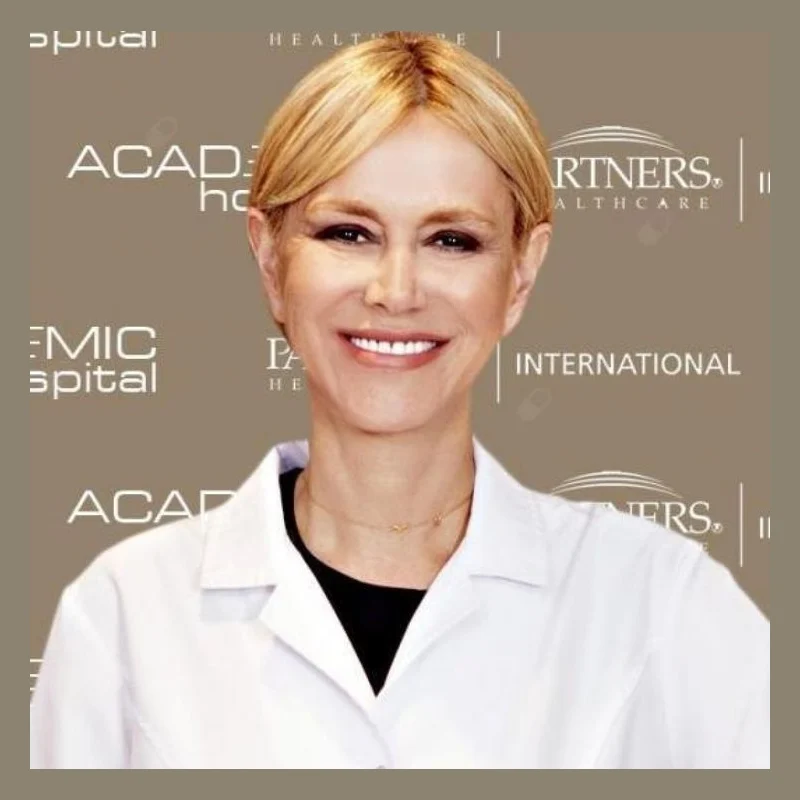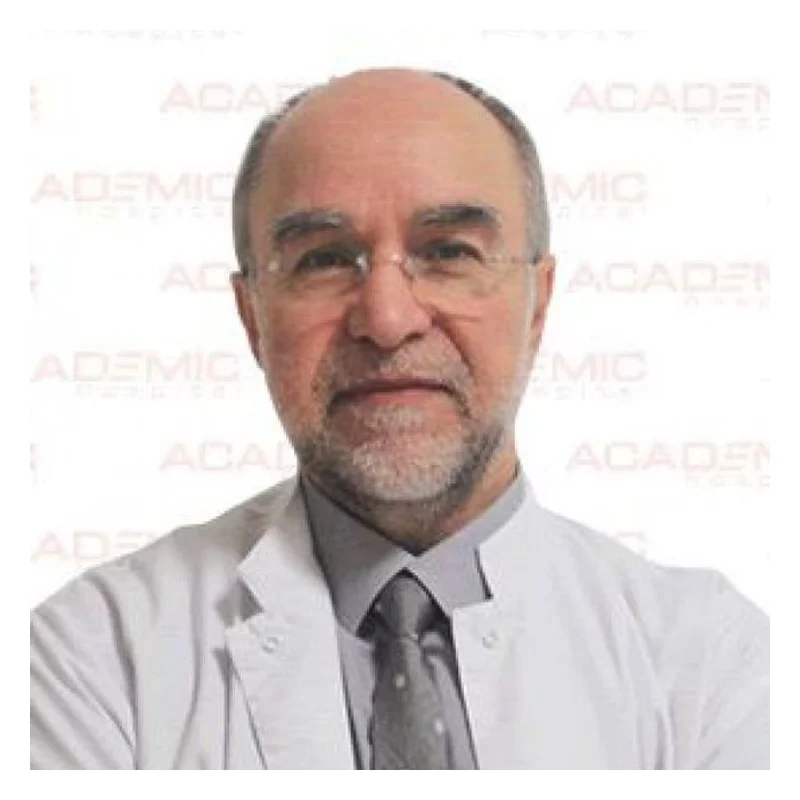
Uzm. Dr. Ertan Özen
GynaecologyVerified
- 36+years exp.
English · Turkish
FromPrice on request
Free quote
60 seconds · no obligationView Profile
Breast health surgery in Turkey on our site centres on surgical excision of a fibroadenoma, a benign breast lump. This guide explains when removal is considered, how the operation and recovery work, what shapes the price, how to check a hospital and surgeon, and how to request a free written plan.
A written plan with the surgeon's name and the full price — usually within 24 hours.

2 doctors Compare doctors, ratings and prices — ask any of them for a free quote.
GynaecologyVerified
English · Turkish
60 seconds · no obligationView Profile
GynaecologyVerified
English · Turkish
60 seconds · no obligationView Profile
This category covers surgical excision of a fibroadenoma. A fibroadenoma is a benign, firm and usually smooth lump in the breast, made of glandular and connective tissue. It is common in younger women, tends to move easily under the skin and is not cancer. It is treated in a gynaecology or breast surgery department, and you can see the wider range on our page for Gynaecology treatments in Turkey.
There is one treatment here, so the real choice is not between operations but between removing the lump and leaving it. Other methods exist, such as vacuum-assisted removal through a needle, and your surgeon may mention them, but surgical excision is the standard procedure for lumps that need to come out.
Many fibroadenomas never need surgery. If imaging and a biopsy show a typical fibroadenoma, doctors often advise watching it with repeat scans. Surgery is more likely to be suggested when the lump is large, growing, painful, changes the shape of the breast, causes worry, or when the biopsy result is not clear and the lump must be examined fully.
Before any operation the lump should be assessed properly. This normally means a breast examination, an ultrasound, a mammogram where appropriate for your age and usually a needle biopsy. Do not use an online article or a quote to decide whether a lump is harmless. A new breast lump should always be checked by a doctor, and if you have not yet had it examined, do that first at home.
It helps to ask: what did the biopsy show, is removal necessary or optional, how large will the scar be, and will the lump be sent to pathology afterwards? Fibroadenoma excision is not a cosmetic procedure, though the surgeon will usually place the cut to keep the scar as discreet as possible, for example along the edge of the areola or in the breast fold.
Excision of a fibroadenoma is usually a short operation. It may be done under local anaesthetic with sedation or under general anaesthetic, and many women go home the same day. Plan a short stay in Turkey, often only a few days, and allow time for the surgeon to check the wound and, ideally, to discuss the pathology result before you leave. If the result takes longer, agree beforehand how and when you will receive it.
Afterwards expect some bruising, tenderness and swelling, which settle over a few weeks. You will be advised to wear a supportive bra, avoid heavy lifting for a short period and keep the wound dry. The scar is usually small and fades with time. New lumps can appear later, so continued breast awareness and follow-up at home remain important.
The cost depends on the size and number of lumps, the type of anaesthetic, the hospital and room type, the imaging and biopsy needed before surgery, and the pathology examination of the removed tissue. If the lumps are in both breasts or there are several, the operation is longer. Ask the hospital to list in writing what is included, in particular the pathology report and follow-up appointments.
Choose a hospital licensed by the Turkish Ministry of Health and authorised for international patients. Check that the surgeon regularly treats breast conditions, that imaging and a pathology laboratory are available, and that the team explains clearly how the result will be communicated to you and to your own doctor. Ask for the operation note and pathology report in writing so your doctor at home can continue your care. Be wary of any offer that skips the examination or does not mention risks such as bleeding, infection or a visible scar.
Send your ultrasound, mammogram and biopsy reports, along with a short description of your history, through our free quote form. We pass them to suitable licensed hospitals, and the hospital replies with a written treatment plan: the proposed procedure, the surgeon, the expected stay and the full cost. Asking is free and carries no obligation.
You can compare plans, put questions to the surgeon's team and decide at your own pace. If you decide to travel, a coordinator can help with appointments and practical matters. For other women's health care, see Gynaecology treatments in Turkey.
No. Many are simply monitored with repeat scans. Surgery is usually considered if the lump is large, growing, painful, uncertain on biopsy or causing worry. Your breast specialist can advise which applies.
No, a fibroadenoma is a benign lump. However, any new breast lump needs a proper examination, imaging and often a biopsy, because only tests can confirm what it is, so never assume.
The operation is usually short, often well under an hour, and many women go home the same day. The surgeon will give the expected timing for your lump and the type of anaesthetic.
Yes, there will be a small scar. Surgeons often place the cut on the edge of the areola or in the breast fold so that it is less visible, and it usually fades over time, though its appearance varies.
The removed lump will not return, but new fibroadenomas can develop elsewhere in the breast. Keep checking your breasts regularly and attend any follow-up that your doctor recommends after the operation.
Often within a few days, once the surgeon has checked the wound and agreed that it is safe. Ask the hospital for a written note on timing and aftercare.
Send your ultrasound and mammogram reports, any biopsy result, your age, medicines and a short history. Without these a hospital cannot give you a reliable plan or a price for the operation.
Your request is in!
Your coordinator will contact you — usually within 2 hours, 24/7.
Want a faster, more accurate assessment?
Add photos & medical detailsLeave your number — a coordinator calls you in your language, usually within 15 minutes during office hours.
Thank you!
A coordinator will contact you at the time you chose.