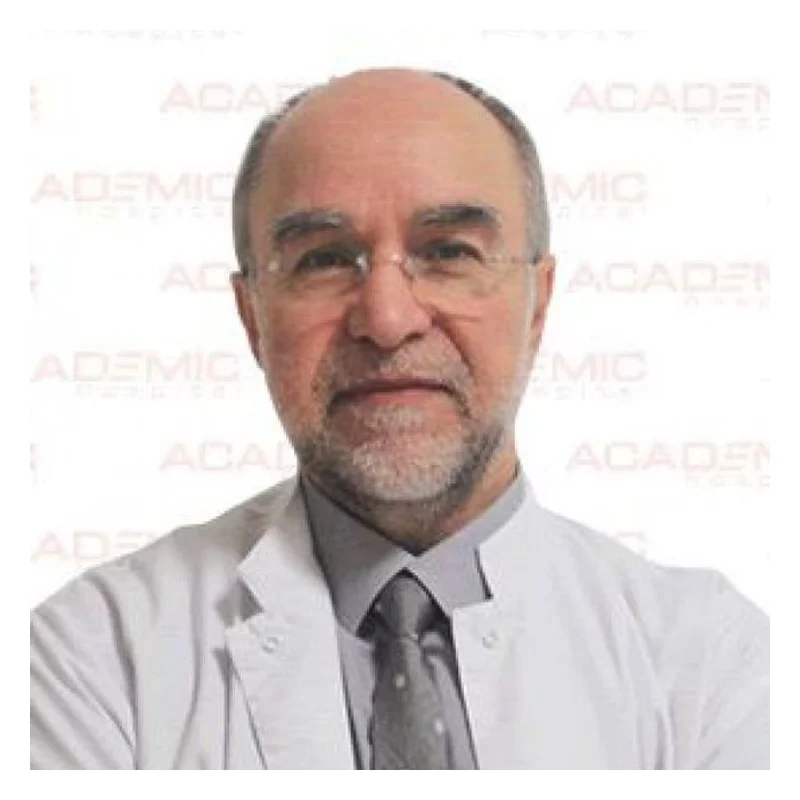
Uzm. Dr. Ertan Özen
GynaecologyVerified
- 36+years exp.
English · Turkish
FromPrice on request
Free quote
60 seconds · no obligationView Profile
Polycystic ovaries is a common endocrine and metabolic condition characterised by enlarged ovaries containing numerous immature follicles. It primarily affects women of reproductive age. Irregular menstrual cycles, difficulty conceiving, unexpected weight gain, and excessive facial or body hair growth typically lead patients to see a doctor. Appropriate treatment options depend on a careful specialist assessment. Compare hospitals in Turkey that treat Polycystic Ovaries and get a free review of your medical records.

2 doctors Compare doctors, ratings and prices — ask any of them for a free quote.
GynaecologyVerified
English · Turkish
60 seconds · no obligationView Profile
GynaecologyVerified
English · Turkish
60 seconds · no obligationView Profile
Polycystic ovaries is a common endocrine and metabolic condition characterised by enlarged ovaries containing numerous immature follicles. It primarily affects women of reproductive age. Irregular menstrual cycles, difficulty conceiving, unexpected weight gain, and excessive facial or body hair growth typically lead patients to see a doctor. Appropriate treatment options depend on a careful specialist assessment.
Specialty: Gynaecology
The cost of treating Polycystic Ovaries depends on the diagnosis and the treatment chosen. Doctors first review your medical records — free of charge — and you then receive an itemised quote.
Polycystic Ovaries is treated by Gynaecology specialists. 2 clinics in Turkey on our platform offer this treatment.
Polycystic ovaries is a common metabolic and endocrine condition affecting women of reproductive age. It occurs when the ovaries develop multiple immature fluid-filled sacs, called follicles, which frequently fail to release eggs regularly. This leads to hormonal imbalances, particularly elevated levels of androgens (male hormones) and insulin resistance.
Symptoms vary significantly between individuals but commonly include:
Because management spans hormonal balance, reproductive care, and metabolic health, patients often consult specialists in Gynaecology and Endocrinology.
Hospitals in Turkey follow international diagnostic criteria (such as the Rotterdam criteria), which require at least two of the following three features for a definitive diagnosis: irregular periods, clinical or biochemical signs of high androgen levels, and polycystic ovaries visible on an ultrasound.
When visiting a clinic, doctors typically perform:
Before travelling, patients should collect and bring their full medical history, past pelvic scan reports, recent blood test results, and a log of their menstrual cycles over the past 6 to 12 months.
There is no single cure for polycystic ovaries; medical management focuses on addressing specific symptoms, restoring hormonal balance, and protecting long-term health. The attending physician determines the appropriate course of action following a full clinical evaluation.
| Option | Typically Used When | Things to Know |
|---|---|---|
| Lifestyle & Metabolic Support | First-line approach for all patients, especially those with weight changes or insulin resistance. | Combines dietary adjustment, exercise, and sometimes medications like metformin to improve insulin sensitivity. May be combined with Bariatric Surgery in cases of severe clinical obesity. |
| Hormonal Regulation | Patients not currently seeking pregnancy who experience irregular bleeding, hirsutism, or acne. | Combined oral contraceptive pills or progestin therapy help regulate cycles and lower androgen activity. Symptomatic skin issues may involve care from Dermatology specialists. |
| Ovulation Induction | Women actively trying to conceive who do not ovulate regularly. | Oral medications (such as letrozole or clomifene) stimulate egg maturation. If ineffective, patients may be referred for IVF & Fertility services. |
| Laparoscopic Ovarian Drilling | Selected cases where ovulation medications fail and surgical intervention is indicated. | A minimally invasive procedure where laser or electrocautery punctures parts of the ovary to reduce androgen production temporarily. |
Managing polycystic ovaries abroad usually begins with a remote records review. Turkish specialists assess your preliminary medical documents to recommend suitable diagnostic packages or consultations prior to your departure.
A typical trip for diagnostic evaluation and treatment planning requires a stay of 3 to 5 days. This allows adequate time for comprehensive blood work, imaging, consultations, and the creation of a tailored treatment plan. If advanced reproductive procedures are required, the length of stay will depend on the specific fertility protocol.
After returning home, long-term follow-up is essential. Turkish clinics provide comprehensive reports and medication prescriptions that you can share with your local general practitioner or gynaecologist to monitor your progress and continue routine care.
You should postpone international travel if you have uncontrolled, severe dysfunctional uterine bleeding that causes anaemia or hemodynamic instability. Travel is also not recommended if you are undergoing active fertility treatment and experiencing symptoms of Ovarian Hyperstimulation Syndrome (OHSS).
Seek urgent emergency care locally if you experience any of the following severe symptoms:
Polycystic ovaries cannot be permanently cured, but the condition can be effectively managed. Symptoms such as irregular cycles, metabolic issues, and acne can be controlled through targeted medical treatments, lifestyle modifications, and hormonal therapies prescribed by a specialist doctor.
A typical stay of 3 to 5 business days is generally sufficient for a comprehensive diagnostic assessment. This time frame allows doctors to conduct blood tests, perform ultrasound scans, review results, and provide a personalised treatment and management plan.
While polycystic ovaries are a common cause of subfertility due to irregular ovulation, many women conceive successfully. Treatment options ranging from ovulation induction medications to advanced fertility care can help restore regular ovulation and support pregnancy.
You should bring complete medical records, including recent pelvic ultrasound images, recent hormone and blood sugar test results, details of any past treatments or surgeries, and a written track record of your menstrual periods over recent months.
Dermatological symptoms caused by elevated androgen levels are managed through systemic treatments, such as anti-androgen medications or oral contraceptives, often coordinated between gynaecologists and dermatologists to address both root hormonal causes and visible symptoms.
Your request is in!
Your coordinator will contact you — usually within 2 hours, 24/7.
Want a faster, more accurate assessment?
Add photos & medical detailsLeave your number — a coordinator calls you in your language, usually within 15 minutes during office hours.
Thank you!
A coordinator will contact you at the time you chose.